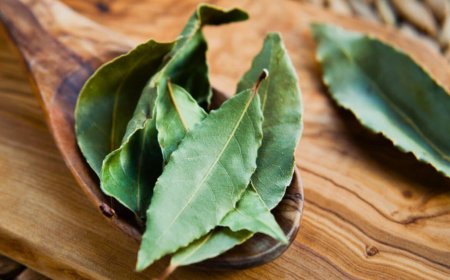






Why Mix Bay Leaves and Baking Soda: What It’s Good for and Why Thousands Use It at Home

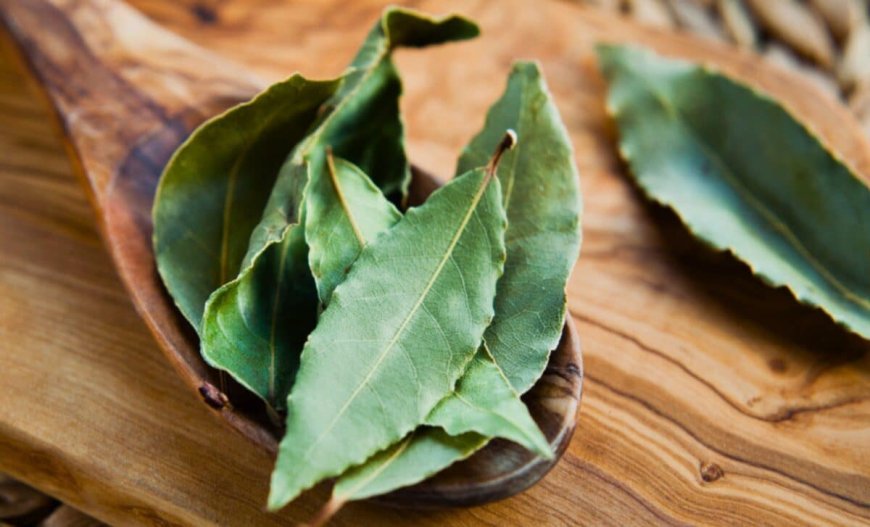
A handful of dried bay leaves and a few spoonfuls of baking soda. That is the entire formula behind a household odor remedy spreading through kitchens and closets. The mixture costs almost nothing, skips synthetic fragrances entirely, and has quietly become a default maintenance trick for enclosed spaces where stale air settles in.
The setup is almost absurdly simple. Place a small dish of baking soda and a few dried bay leaves inside a refrigerator, drawer, or pantry, and the combination absorbs foul smells while releasing a light, herbaceous scent. What makes the pairing stick is not any single study or product launch. It is the steady, anecdotal confirmation from people who try it once and keep a container tucked on a shelf from then on.
Baking soda drives most of the neutralizing work. It does not coat odors with perfume. It reacts with acidic and alkaline compounds that cause many household smells, pulling them out of the air and trapping them. Inside a sealed refrigerator, that process reduces the volatile molecules that would otherwise settle into plastic liners and reappear every time the door opens.

Bay leaves contribute a different layer. They come from the Mediterranean bay laurel tree and contain eugenol, a compound with documented antimicrobial and antifungal properties. While the baking soda cancels the chemical source of a stench, the leaves give off a warm aroma that lands somewhere between clove, thyme, and oregano. Together, the two ingredients do what most aerosol sprays promise but rarely deliver: they remove the bad smell and leave behind something that actually smells pleasant.
Tom’s Guide spoke with Vittoria Wellen‑Bombelli, a fragrance expert at Pavers, who pointed to the straightforward logic behind the trend. “Baking soda is a natural deodoriser that can absorb odors and bacteria,” she said, “so it’s no surprise that many TikTokers have chosen this approach to combat smelly shoes.” Her phrasing captures the appeal. The method is not a revelation. It is simply accessible, cheap, and reliable enough that people keep returning to it.
How to Prepare the Basic Mixture
The recipe requires almost no active time. Five dried bay leaves should be crushed or cut into fine pieces and stirred into two teaspoons of baking soda. Thorough drying is essential. Any moisture trapped inside the leaves will feed mold once the mixture is stored in a sealed jar. Once combined, a teaspoon of the blend placed inside a small cloth bag works as a passive deodorizer for a drawer, wardrobe, or refrigerator shelf.
That same mixture can pivot into other household tasks. Tasting Table described grinding dried bay leaves into a fine powder and mixing them with baking soda to form a cleaning paste gentle enough for tile and countertops but abrasive enough to lift grime. For carpets, crushed bay leaves, baking soda, and a few drops of essential oil can be dusted across the fibers, left to sit for several minutes, and then vacuumed. The powder absorbs embedded odors and leaves the carpet noticeably fresher.

A liquid version turns the same two ingredients into a DIY room spray. Tom’s Guide tested a method in which four to six whole bay leaves are simmered in several cups of water, then the cooled, strained liquid is combined with two tablespoons of baking soda and poured into a spray bottle. The mist cuts through airborne odors and deposits the bay leaf’s aromatic compounds across the room.
Where the Mixture Falls Short
The blend is a maintenance tool, not a fix for deeper trouble. A home with active mold from a leaking pipe or moisture wicked into basement drywall will not be salvaged by baking soda and leaves. The combination works inside enclosed spaces where mild, everyday odors accumulate and where ventilation is limited. Once a space crosses into structural dampness or heavy soiling, professional cleaning becomes necessary.
Some households also position the mixture in pantry corners as a casual insect deterrent. The eugenol in bay leaves is known to have antimicrobial effects, and the practice of repelling small pests with bay leaves predates this particular combination. Still, no controlled studies back the claim that the blend drives insects out. It remains a secondary, user-reported benefit rather than a proven function.
Enjoyed this article? Subscribe to our free newsletter for engaging stories, exclusive content, and the latest news.
What's Your Reaction?
 Like
0
Like
0
 Dislike
0
Dislike
0
 Love
0
Love
0
 Funny
0
Funny
0
 Angry
0
Angry
0
 Sad
0
Sad
0
 Wow
0
Wow
0