Last week a friend from Switzerland sent me an article she read in a magazine. She was quite upset and wondered if I knew about it. I didn’t. But after everything we have learned in the past decade about so-called Philanthropy, can I still be surprised and shocked?
Yes, I can.
Every time I learn something new about how people treat children, I’m shocked to my core. What kind of animals humanity apparently still consist of? How can we hurt the offspring of our own species like this, just for profit?
I have to rephrase myself, as animals don’t behave like this. They don’t hurt their offspring on purpose, they don’t abandon nor trade it, they don’t use their offspring as tool for sick pleasure, or to experiment on.
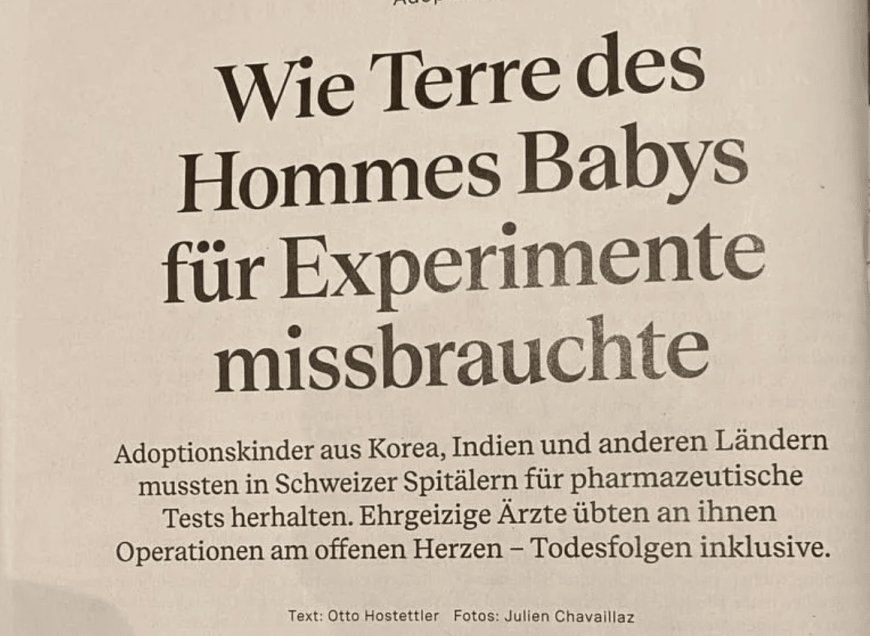
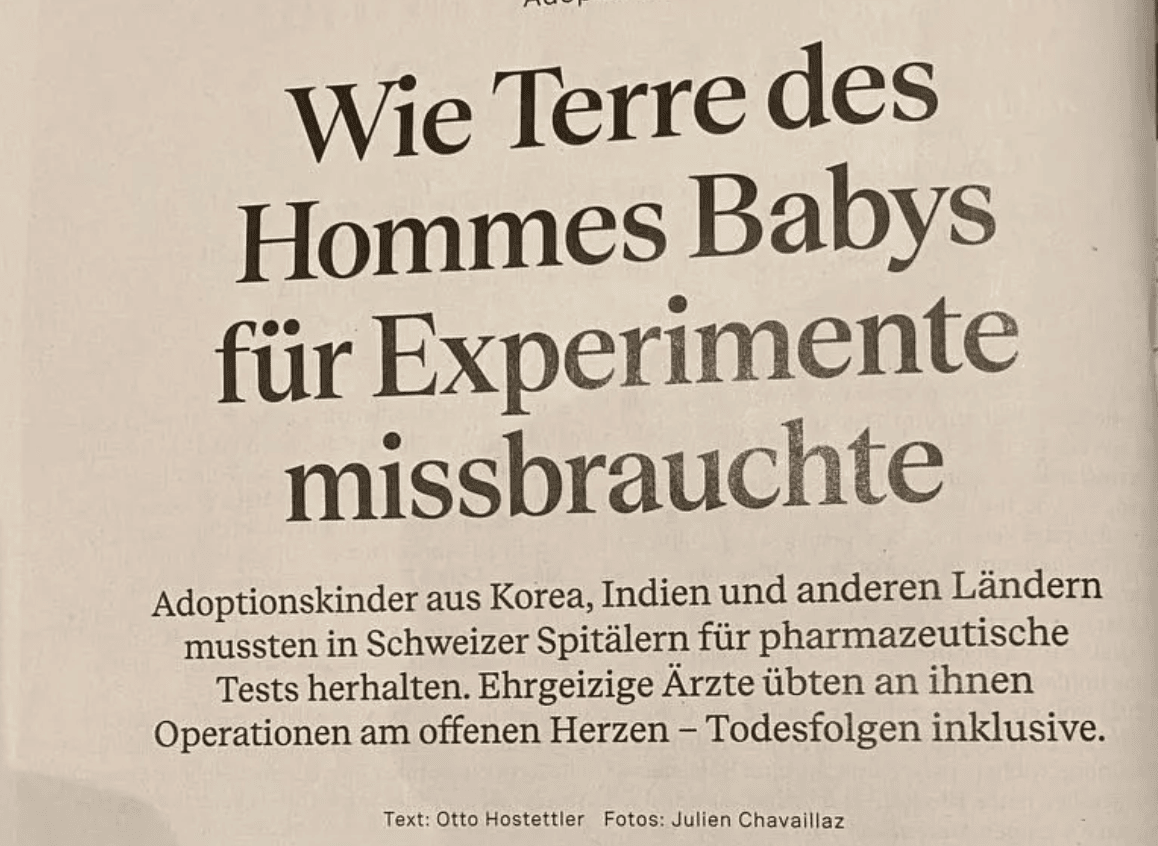
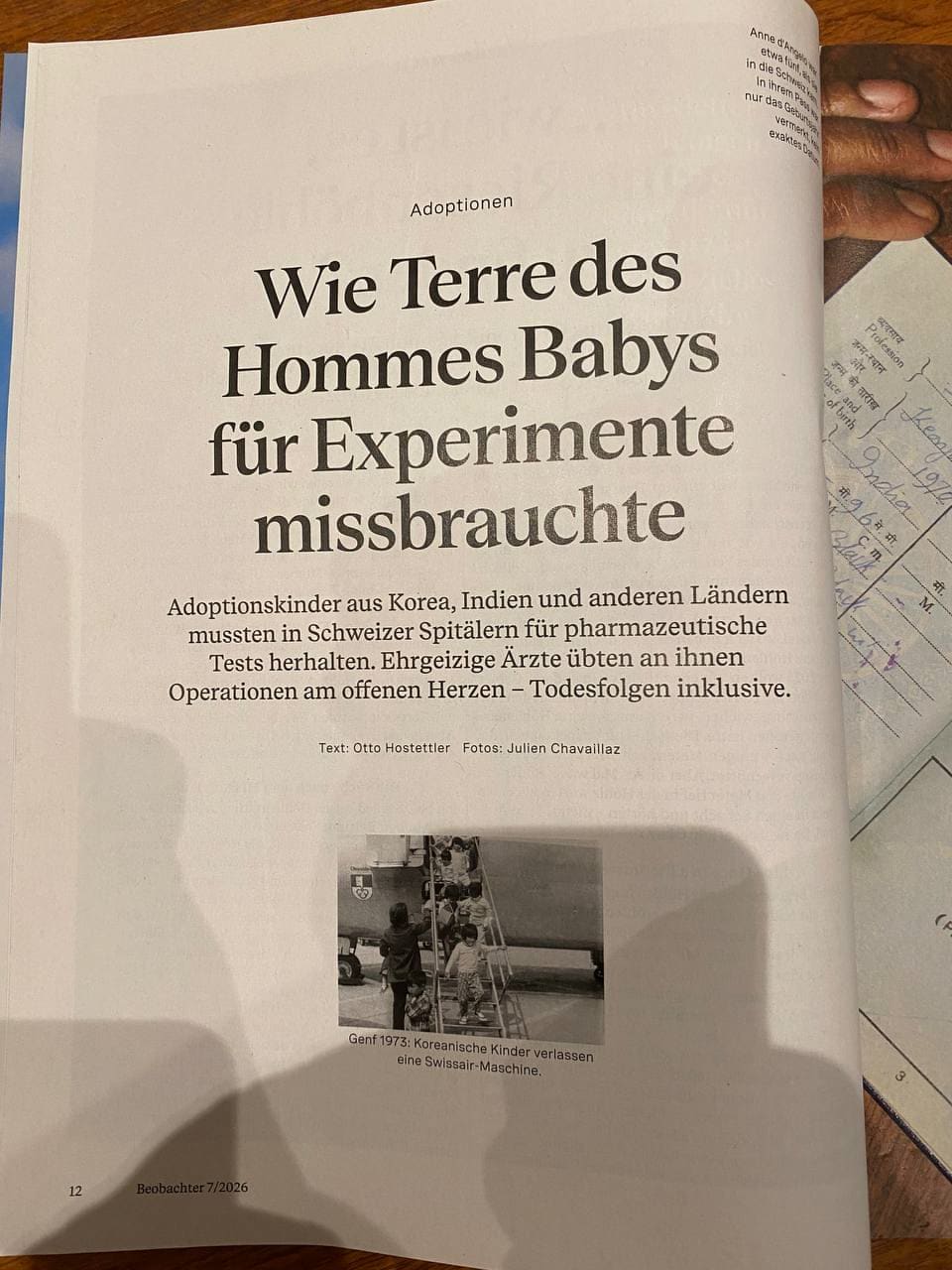
Humans apparently do. Even though I have experienced it myself, I’m still shocked to hear about it. Child abuse comes in many forms. This article describes the child trafficking of a well known philanthropic organization: Terre des Hommes.
It brought children to Switzerland to use them as guinea pigs. To experiment on them, to learn how to perform open-heart operations.
These children are treated as lesser beings, as they didn’t have loving parents to protect them. They were ‘rescued’ from their countries and brought to Switzerland to experiment on. The children who came to Switzerland for adoption were placed in quarantine before their new parents were allowed to take them home. During this period, medical tests were performed on them.
On top op this, Terre des Hommes brought children from war zones to Switzerland. These children had no new parents waiting for them. It is not clear whether they needed medical attention or not. Fact is they had to undergo open-heart operations, in order for doctors to practice new operation techniques. We in the West, don’t practice on our own children. We import children from Less Developed Countries for that reason. A sick practice that didn’t get enough media attention.
The original article is hidden behind a pay-wall. A decision based on profit, something I cannot understand when we talk about the fate of children. But as the article has been published, I felt free to copy and translate it, while crediting their research. The world should know how it treats its children!
Published on April 1, 2026
“They will never know who their biological parents are. They don’t know if they have siblings. And what Swiss hospital doctors did to them as babies can no longer be found in any records.
Béatrice, Anne, and Ilona are children of Terre des Hommes. Adopted children from Korea and India, meant to bring joy to childless parents in Switzerland. But doctors abused these babies for their own purposes.
They share this fate with almost 2,000 other children whom the aid organization placed in Switzerland between 1964 and 1979. This is revealed for the first time by extensive research by Beobachter.
In her Korean adoption documents, Béatrice Aubert is called Kim Yung Hee, a name like Müller or Meier in Switzerland. “My name is made up,” she tells Beobachter. The names of her parents are unknown; allegedly, her family abandoned her, and she ended up in an orphanage. A couple from Valais adopted her.
Anne d’Angelo doesn’t even know her birthday. She comes from India; in her documents, she is called Mina Mundi. Her parents are unknown. Her passport only lists 1970 as her date of birth. December 15, 1970, which appears in official records today, is an invention of her adoptive father. He was allowed to choose the date.
In Korea, Ilona Wyrsch was called Cha Il Sook; according to the records, her date of birth is October 25, 1964. Because those in Switzerland thought she was rather small for her age, they simply made her two years younger—with the consent of the Korean authorities. Even before her departure, doctors diagnosed an enlarged heart chamber after an X-ray and heard an unusual murmur.
The quarantine
A veil of complete ignorance spreads over her first days and weeks in Switzerland. One thing, however, is proven by documents: Béatrice Aubert, Anne d’Angelo, and Ilona Wyrsch spent their first days and weeks in a hospital – for questionable reasons.
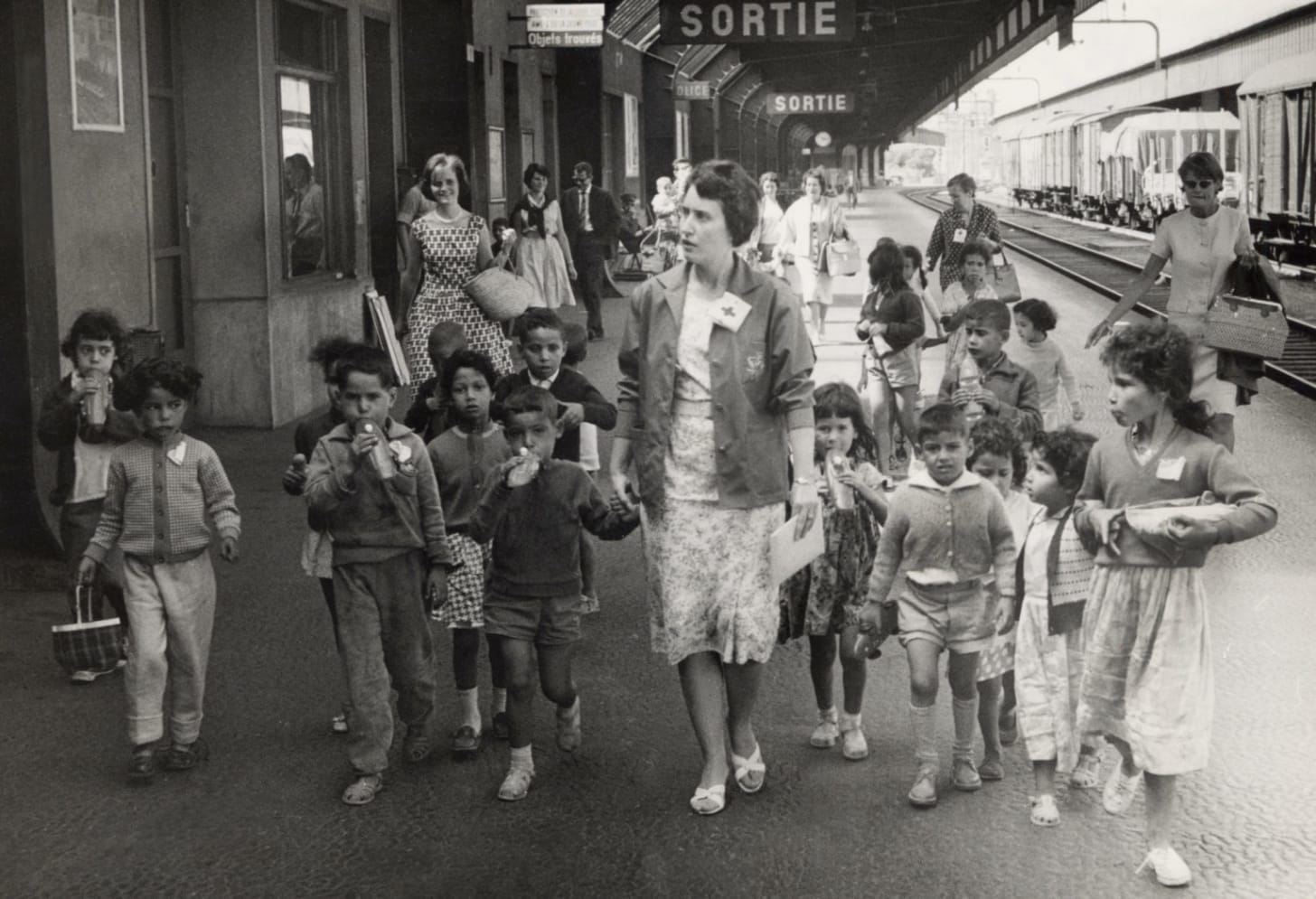
They are three of 1,933 children who were brought to Switzerland for adoption as babies or toddlers between 1964 and 1979. Upon their arrival at Geneva Airport, they were not met by their new parents. Instead, they were taken directly to a hospital for quarantine.
Terre des Hommes quarantined all children arriving in Switzerland without exception – regardless of their health. This is documented by the aid organization and records from over a dozen affected individuals. The cantonal medical officers of Geneva or Vaud, who would legally be responsible for the quarantine, were apparently not involved.
Béatrice Aubert was perfectly healthy. The health report dated March 19, 1971 – shortly before her departure from Korea – states: Her general condition is good, she eats regularly, sleeps from 7:30 p.m. to 5:30 a.m., and can already use the toilet independently. No fever, normal teeth, no illnesses.
Someone noted “healthy” on the travel document. Nevertheless, on March 23, 1971, she was taken directly from Geneva Airport to the Hôpital de Saint-Loup near La Sarraz, Vaud. Seven days later, her adoptive parents were able to pick her up there.
“My new life in Switzerland began with a lie,” Anne d’Angelo tells the Beobachter. She was about five years old when she arrived in Geneva on July 20, 1975 – and was taken directly to the Geneva Children’s Hospital. She was supposedly suffering from anemia. To this day, she doesn’t know what treatments the doctors administered to her.
Ilona Wyrsch’s hospitalizations are documented as two separate incidents. She arrived in Switzerland on Christmas Eve 1968 and was immediately admitted to the Hôpital du Samaritain in Vevey. On January 6, she was transferred to the Children’s Hospital of the University of Geneva. Her adoptive parents were not allowed to pick her up until January 14, 1969. She spent three weeks in hospital care. What happened to her there is unclear.
Where are the files?
From records that Beobachter was able to view in the Vaud State Archives, it becomes clear that there were at least ten hospitals in western Switzerland that cooperated with the organization and admitted children from Korea, India, Vietnam, Morocco, Tunisia, and other countries.
But what exactly happened to them at the Hôpital de Saint-Loup near La Sarraz VD, at the Hôpital de La Tour in Meyrin GE, and in the other facilities involved in the quarantines? Patient files and hospital reports are nowhere to be found. The adoption documents of the three girls and a dozen other adoptees indicate medical examinations.
In response to requests for access to files from Beobachter on behalf of those affected, several hospitals stated that they no longer possessed any patient files from that period. Some hospitals no longer exist in their original form, and the successor institutions sometimes don’t even know where any archives might be stored. They do not address the allegations regarding quarantine and the questionable medical examinations.
Researchers find shocking evidence.
Answers can be found in two scientific studies. One dates from 2024. In it, researchers, commissioned by the cantons of Zurich and Thurgau, analyzed adoptions from India. In the book *Mother Unknown*, they exposed shocking legal violations in adoptions from India—and also touched on the quarantine ordered by Terre des hommes.
The findings are shocking: The researchers found hospital discharge reports in several adoption files. In the case of a girl from India who came to the canton of Thurgau, the study cites a medical report from May 1978. According to this report, the girl had to undergo a whole series of examinations over several days.
X-rays, blood tests, gastric juices.
One day after arriving in Switzerland, the doctors x-rayed the girl. The following day, a throat swab was taken, and blood was drawn from the girl. Then, the doctors aspirated stomach fluid from the girl using a tube. Blood was drawn from the girl again on the following days.
The researchers write: “These examinations were part of a pharmacological test series.” The girl’s body fluids, containing bacteria, were used to create a substance that doctors experimented with in the hospital laboratory.
This is how it worked: The staff multiplied the bacteria in a nutrient solution. They then tested the effectiveness of various antibiotics on it. For this purpose, the bacteria from the human body fluids were injected into guinea pigs. After 40 days, the hospital researchers euthanized the animals to investigate what the bacteria had done in the animals’ bodies, according to the research report.
Several adoptees confirmed to Beobachter that they remember medical examinations. They were already five years old or older when they arrived and recount blood tests and stool samples during their hospital stay.
These questionable medical examinations of adopted children were already mentioned in a 2023 study by the Zurich University of Applied Sciences (ZHAW). At that time, the ZHAW, commissioned by the Federal Archives, analyzed illegal occurrences in adoptions from ten countries of origin. Terre des Hommes was already a topic then as well.
Allegations from India
Both studies cite an article that appeared on July 1, 1978, in the Indian daily newspaper “Ananda Bazar Patrika” in Kolkata. The front page bore the headline: “Children smuggled abroad for research purposes.”
In the article itself, the newspaper accuses orphanages and Terre des Hommes of having brought children from India to Switzerland under the guise of adoption and using them there for research purposes. The police investigated the case, and the Indian authorities even intended to send detectives to Switzerland.
The article caused a stir at the Swiss embassy. The Swiss envoy feared damage to Switzerland’s image. Indian police officers had visited a Terre des Hommes facility twice. The chargé d’affaires of the Swiss embassy inquired in Bern whether diplomatic intervention should be taken regarding the allegations. But Bern declined.
In the autumn of 1978, Switzerland did investigate the matter after all. Because the number of children from India was steadily increasing, Bern wanted to refute the accusations. The immigration police requested several cantons to review eight specific adoption files from India. A few months later, the Foreign Ministry reported to the Indian embassy in Bern that all the children were doing well and were still with their families.
The Role of Edmond Kaiser
What remained hidden from the immigration police during their checks was the days and weeks the children spent in a hospital before being taken to their adoptive families. Neither the guardianship authorities nor the adoptive parents were informed of what happened in the hospitals.
Today, the question arises: Who ordered this questionable quarantine for the adopted children?
“That was Edmond Kaiser’s idea,” Suzanne Bettens told the Beobachter. The soon-to-be 95-year-old was responsible for adoptions at Terre des Hommes Lausanne for 15 years.
Between 1965 and 1979, she placed virtually all of Terre des Hommes’ children. Suzanne Bettens visited orphanages in Korea, organized the children’s journey, procured hospital beds, and ultimately selected the families in Switzerland—for which she had assembled a team of volunteers.
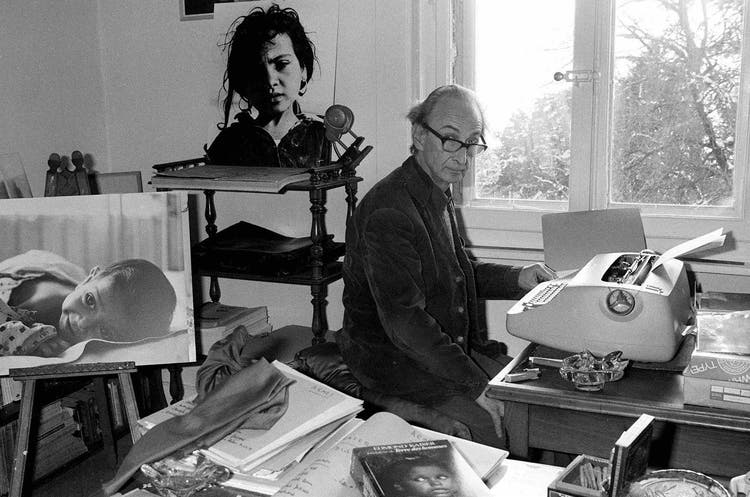
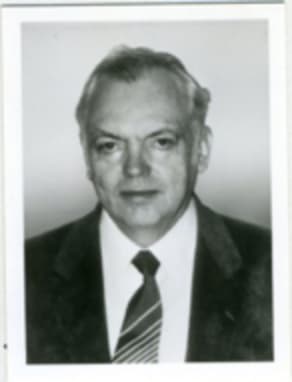
Edmond Kaiser was the charismatic founder of Terre des Hommes, born in Paris in 1914, active in the Resistance during World War II, and later a resident of Lausanne. He was a poet, writer, and journalist—and dedicated decades to helping disadvantaged children. When the War of Independence was raging in Algeria in the mid-1950s, Kaiser brought destitute children to Switzerland. In 1960, he finally founded the children’s charity.
Kaiser, who died in 2000, was the dominant figure in the organization. He often decided single-handedly what needed to be done. He typed instructions to employees and board members on his typewriter. He meticulously monitored their execution, sometimes charmingly, then again domineeringly, and often ruthlessly. His uncompromising stance on international adoptions ultimately led to a split in the aid organization at the beginning of the 1970s. The local groups in Geneva and Basel subsequently founded Terre des Hommes Suisse.
The deal with the immigration police
At the beginning of 1965, Suzanne Bettens recalls, she and Edmond Kaiser went to Bern to the immigration police. The responsible official was extremely skeptical about Terre des Hommes’ adoption services. “It was a time when the issue of foreign infiltration was making political headlines in Switzerland. The goal was to win the official over. It wasn’t an easy conversation.”
Out of the blue, Kaiser offered the official: “If you want, we can put every child in quarantine upon arrival.” The official replied: “Yes, that’s how we’ll do it.”
Healthy children in hospital
There were no guidelines for hospital stays, says Suzanne Bettens. Some children did indeed require hospital care due to their health. “Some were malnourished or had tuberculosis.” But: By no means were all the children in quarantine sick. “I can’t imagine that the deaconesses of Saint-Loup conducted any examinations,” says Bettens. The hospital reports found by the researchers of the India study testify to the opposite.
But adoptions were only one problematic area of activity. For years, Kaiser also brought injured children from war zones to Switzerland for medical treatment. Many came from Vietnam, suffering from burns or polio. Others came from Morocco, Tunisia, and other African countries.
Terre des Hommes used images of these humanitarian actions to solicit donations. But Beobachter’s investigations show that clearly, the motivation of some of these figures was not merely charity. Documents prove that Terre des Hommes actively sought out children with heart disease in crisis areas.
Three doctors who were friends of Kaiser also sat on the executive board of the aid organization at that time: a physician from Lausanne who treated general illnesses at the Monthey VS hospital, one who played a crucial role in the quarantines, and the head physician of the hospital. The dominant figure—besides Kaiser—was the Geneva heart surgeon Charles Hahn.
Kaiser procured the children; Hahn operated on them open-heart surgery. For years.
The ambitious professor
It was a time when heart surgery was still far from being an established medical treatment. The first heart-lung machines made open-heart surgery possible, for example, to perform bypasses on narrowed coronary arteries. Doctors dreamed of implanting artificial hearts.
Most of the patients who came to Switzerland for heart surgery were teenagers. Just like the adopted children, they also spent one to three weeks in quarantine—usually at the Monthey hospital. They were then taken to the La Maison children’s home in the neighboring village of Massongex. There, they had to wait for their operation at the Geneva Cantonal Hospital.
Help for children or an experimental field?
The number of Hahn’s procedures runs into the thousands. In 1972 alone, he operated on 108 children from eleven countries. Years later, a colleague described Hahn as a “pioneer” of cardiac surgery in the “Swiss Medical Journal.”
Whether the Geneva cardiac surgeon also performed open-heart surgery on Swiss children to the same extent at that time is unclear. This leaves the question of his motivation unanswered: Did he want to help children with congenital heart defects, or did he want to gain new insights for cardiac surgery?
What is clear is that Hahn also used these operations for his research. In 1978, he published his analysis in a journal for cardiovascular surgery: “17 Years of Experience with the Surgical Treatment of Congenital Heart Defects.”
Conclusion: 5,920 operations, 5,202 of them open-heart surgeries. He wrote nothing about the origin or age of the patients.
The pitch-black summer of 1979
For years, the network between Terre des Hommes and the Geneva heart surgeon worked well. Although there were occasional deaths that led to internal discussions at the aid organization, Hahn didn’t have to justify himself within the organization. Until the situation escalated dramatically in the summer of 1979.
Every Monday, a minibus takes children from the Lower Valais to Professor Hahn at the University Hospital of Geneva. On the return trip, the bus brings back the children from the previous week. But again and again, one child is missing.
Between July and September, six children die: Razzie, Abdelkader, Lotfi, Hassan, Samira, and Ernest. “I never thought little Hassan would die, because he was a little boy in excellent health,” the aid organization’s Morocco coordinator wrote to the Geneva Children’s Hospital.
The director of the Massongex children’s home appeals to Edmond Kaiser: “Six dead, six children, six little lives from Maison Massongex. Not to mention the two other deaths at the beginning of the year,” he writes. “They all died in Geneva. Before, during, or after their heart surgery.”
Desperate words
He addresses desperate words to the patriarch of the aid organization: “Life has become difficult in Massongex. The children count them every Monday! It has become impossible to hide the sad truth from them. We lie badly, they sense it! Some children are missing six friends. Where are they? And this fear, this dread of news. How can you prepare children under these conditions to calmly face their surgery?”
The words of the orphanage director reflect pure fear and despair: He had been shown statistics stating that ten percent of children die during operations. “That was true last year.” Now the death rate is alarmingly high.
He demands that Kaiser confront Professor Hahn. His letter ends with the words: “I ask you, Edmond, to help us.” Kaiser contacted the heart surgeon just a few days before the plea for help from Massongex. He wrote to the “very dear friend” Charles Hahn: “There are a few things we need to look at together.” Kaiser doesn’t say a word about the children who have died. Rather, he is worried about those who cannot have surgery. Kaiser felt the operations were progressing too slowly.
It is unclear how long the procedures performed by cardiac surgeon Hahn would last. He himself left the University Hospital of Geneva in 1980, but remained a full professor until 1990. He died in 2000. A cardiac surgeon wrote in a medical journal: “Charles Hahn had a brilliant idea: a partnership with [the organization]. This is a win-win situation. Several countries need our expertise, and we can consolidate our specialist knowledge.”
Anguished Questions
The agonizing questions remain unanswered: What happened to all the children during their quarantine? What became of the children who underwent open-heart surgery in Geneva? Why did so many children die in such a short time?
Confronted with Beobachter’s research, Terre des Hommes Lausanne emphasizes that it is “interested in a scholarly review and analysis of the history of adoption placement and related aspects” and sees a need for it. However, “unfortunately, no concrete steps have yet been taken.” Despite repeated inquiries, the organization declined to comment on either the medical tests conducted during quarantine or the questionable heart surgeries.
“I’m furious,” Béatrice Aubert told Beobachter. “We weren’t rescued; it was human trafficking.”
Anne d’Angelo says, “My parents bought me.”
From today’s perspective, Ilona Wyrsch’s files raise a disturbing suspicion: While still in Korea, doctors had diagnosed her with a heart defect. Was that the reason for her placement in Switzerland? After quarantine, she was taken to the Children’s Hospital in Geneva, where Professor Hahn worked. Why he didn’t operate on her remains unclear to this day.”
From fallofthecabalofficial on substack








 Like
0
Like
0
 Dislike
0
Dislike
0
 Love
0
Love
0
 Funny
0
Funny
0
 Angry
0
Angry
0
 Sad
0
Sad
0
 Wow
0
Wow
0