




HOUSEKEEPING: UAPs, Office Hours, and Small Talk with Isabel Vincent on RFK’s Diaries

KNOCK, knock . . .
“The oldest and strongest emotion of mankind is fear, and the oldest and strongest kind of fear is fear of the unknown,” — H.P. Lovecraft
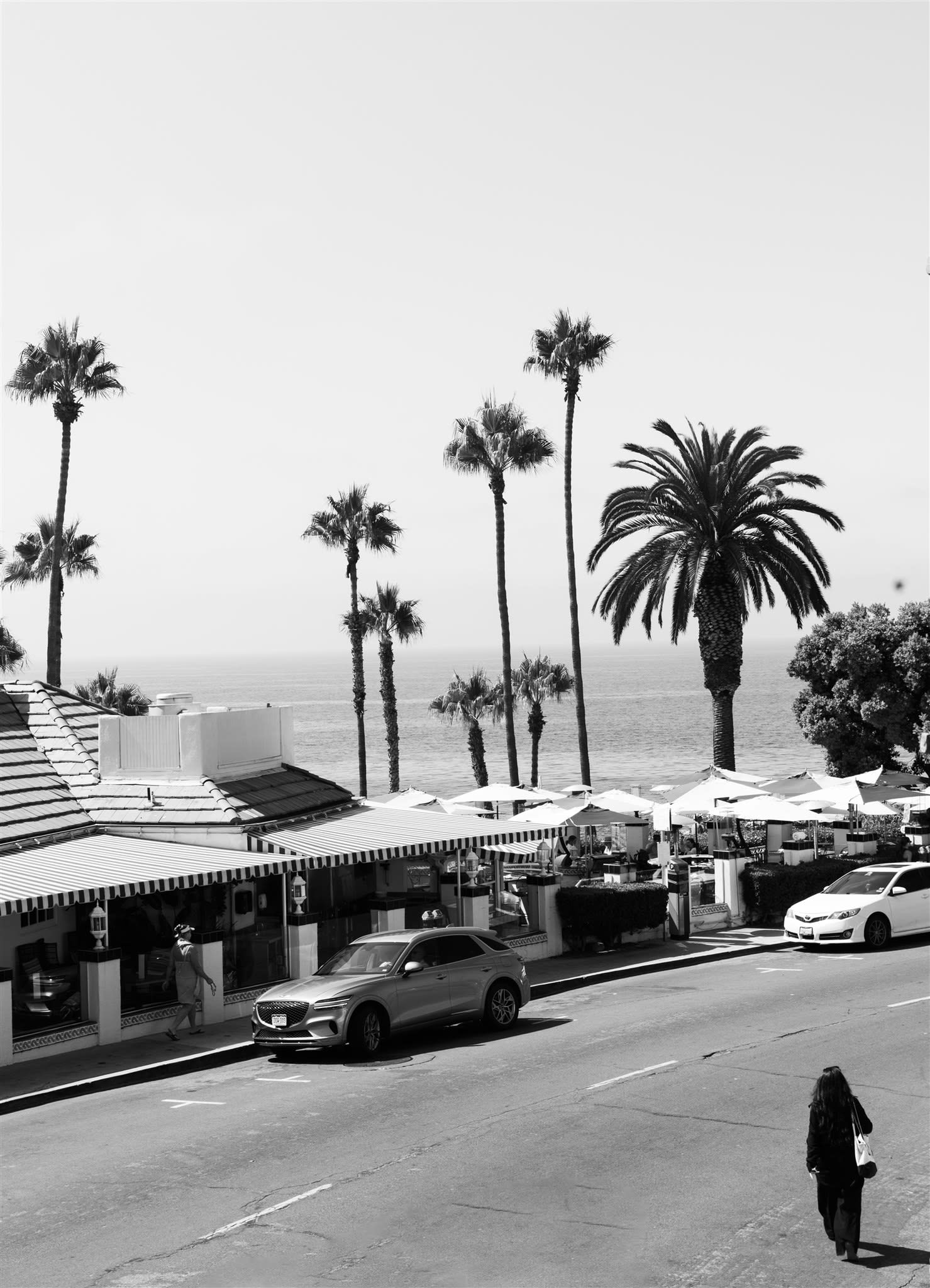
What I’ve come to love most about this weathered corner suite overlooking Laguna’s sea-swept stretch is how unpredictable the daily drop-ins are. I never know what—who—a week might bring. A guy I don’t know shows up selling me my life as a scripted movie before reenacting, step by step, the murder of Nicole Simpson to prove his theory that an accomplice was present as backup to the slaughter. A woman selling handmade bundles of sage. Nikki with Persian snacks for the new year. Eden with healing sprays and chiseled sheets of crystals. Teenage friends of my sons on dates, using my bathroom as a changing room to trade board shorts for slacks on date night. The sound bowl owner irritated by the heavy footfalls above her studio during sessions that demand silence. A nosy editor from the local paper. The grumpy neighbor from the apartments across from me, glowering over his sport shades and asking what I do and if I have a license to do it. The young girl vomiting her evening cocktails into the bush at the bottom of the staircase, refusing water.
This week attracted another perfectly disjointed cast of characters. My friend Gabby emerged like a mermaid after a midday dip in the cove down the street, wet hair, black bikini, wanting to show me her new book about frequency. The day before, two women wandered up, delighted to find Hayes here with me on the couch, ditching school under a fabricated internship. A boy, they said, they had hoped to meet on the long drive over. Both from out of state, here for a reunion after 20 years. They lingered to encourage me, offering thoughtful compliments and thanks for what I “do.” Before they left, they asked if they could pray for me. Hayes, no stranger to this request, closed his eyes on cue until she was done.
On Sunday, I welcomed a congresswoman from Florida, familiar to most from the file hearings. Anna Paulina Luna arrived with her son, Henry, in a stroller to tour the town with me. We wandered up the hill, past the strip where the angel orbs loom, subjects of her handling, parsed in stages ahead of whatever full disclosure may eventually look like. Anna had just finished a guest spot in the hot seat beside Bill Maher. She is one of the hardest-working people in Washington. The declassified files fall under her oversight, and the president trusts her enough to delegate the logistics to her. Transparency is central to her approach. Her solution is to release the files in full, without interference or explanation, allowing the public to decide for themselves what is what in an era when trust in government is already so low.
What’s funny is that Luna knows this town better than I do, so I end up trailing her through a handful of shops on her list, places she remembers from growing up. She’s disappointed to learn the iconic sock shop that once carried Trump socks, complete with a swoosh of fur for hair, is now out of business, but the old-fashioned barrel candy shop is exactly as she remembers it.
We settle in for lunch at a table facing the water at the old Hotel Laguna Inn, two longtime staffers and her security detail folded in around us. Before she leaves, we take a quick spin in the cartoonishly tiny electric car parked nearby, her security jogging behind us to keep pace, even at the slowest speed imaginable. We grab iced coffee, catching up on what she’s carrying next and her perspective on the UAP files still ahead.
Of course, Bill loved her.

WAR OF THE WORLDS
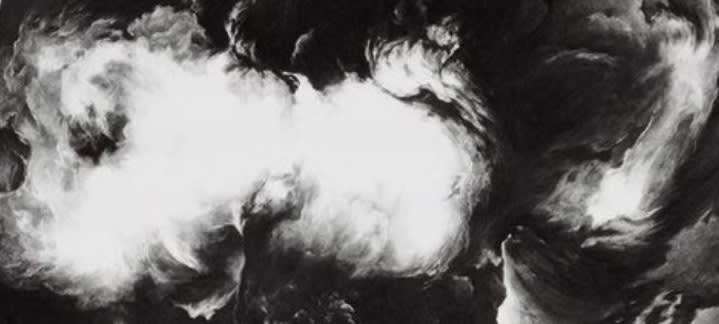
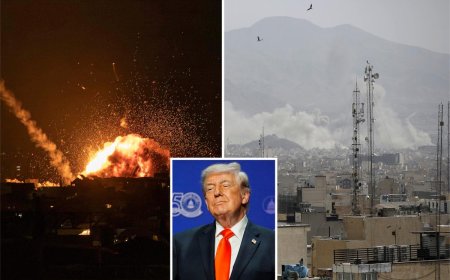
13 US service members have died in Iran over the last three weeks in what Donald Trump is calling an “excursion” and critics are calling an illegal war. At least 21 Israelis have died in retaliatory blows fired by Iran. Strikes from the US and Israel, meanwhile, have killed a reported 1,500 people in the region, including 165 Iranian children in an attack on an elementary school that a military inquiry concluded was the fault of the US—a misfire, it seems, that sent tomahawks intended for an Iranian Navy facility into the bodies of children instead.
The war in Iran has led to warring within the US government. Veterans from the staff and the press corps of the first Trump term have regaled me stories about infighting, firings, and high-profile resignations. But tumult such as that was absent from the second Trump term—until last week, when the top counterterrorism official in the administration, Joe Kent, resigned in protest of the military action ordered by the president. In his letter of resignation, Kent contradicted the president, who has sought to justify US engagement in the conflict with claims that Iran “could soon” send a nuclear weapon to obliterate America. “Iran posed no imminent threat to our nation,” Kent wrote.
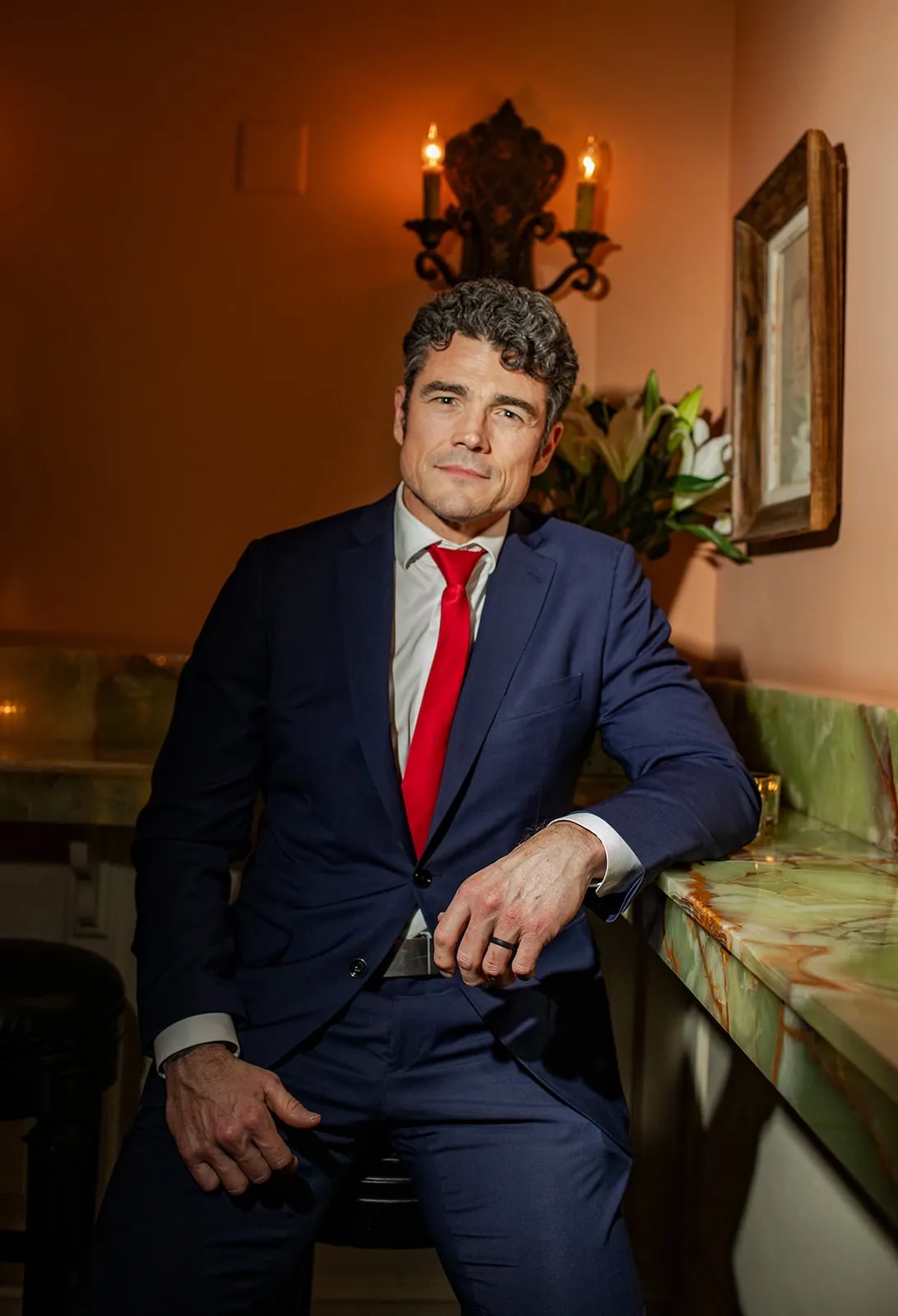
Still, not everyone is buying the protest narrative. Counter-speculation suggests Kent may have jumped before he was pushed. Rumors circulating inside the White House claim he had already been sidelined from key meetings related to the Iran strikes in recent months and was possibly suspected of leaking information to Tucker Carlson.
More news:
Associated Press | Iran Threatens Retaliatory Attacks On Tourist Sites Worldwide
PBS | Dozens Injured In Israel After Iranian Missile Strikes
Axios | Trump Team Game Planning for Potential Iran Peace Talks
THE STARRY MESSENGER
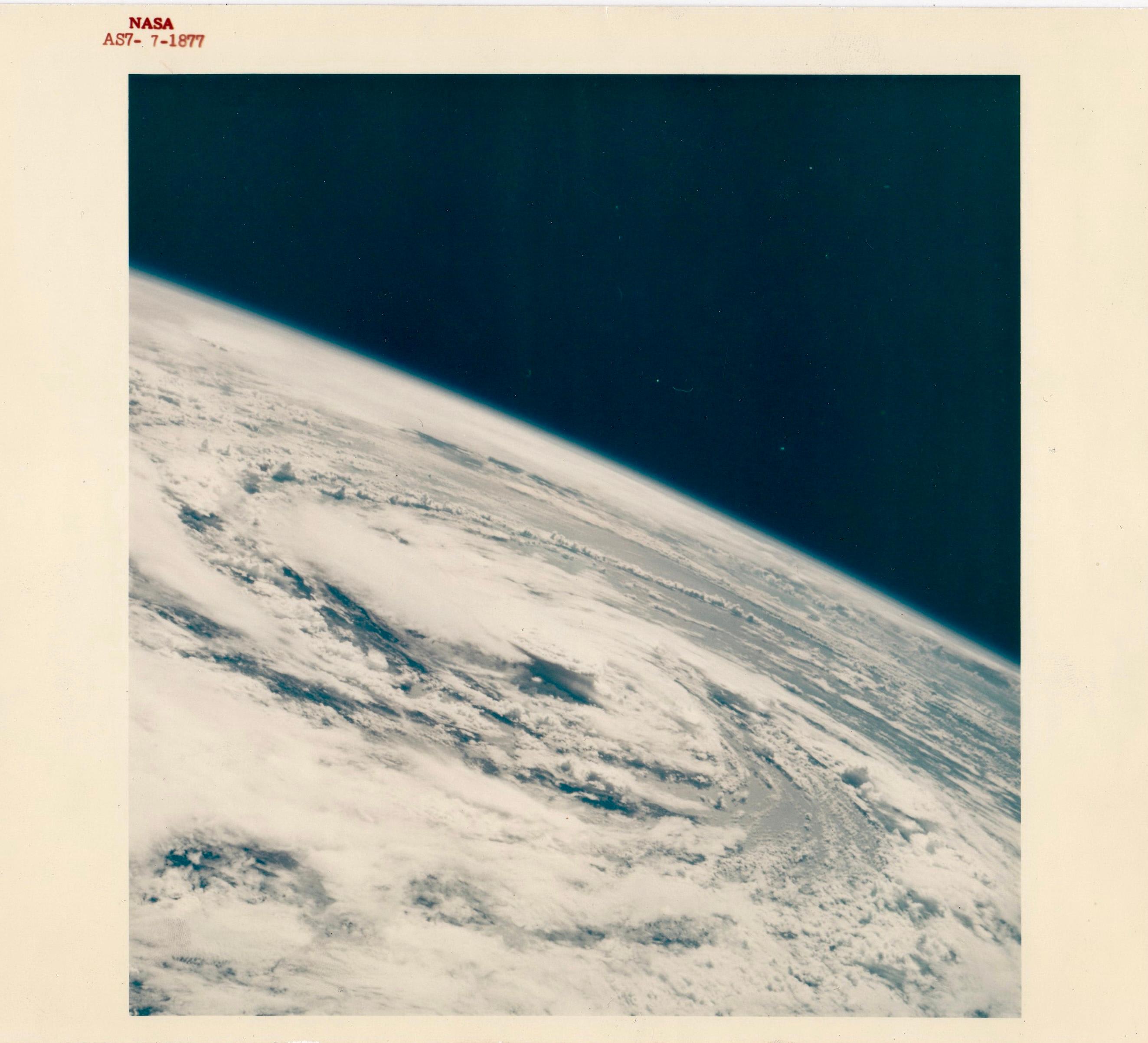
In preparation for the disclosure of more files related to extraterrestrials, the Trump administration has registered the domain Aliens.gov. Between March 9th and 15th, an Air Force base in Louisiana was a hive of unexplained drone activity. A fireball that NASA claimed was a broken-apart asteroid tore through the daytime sky on Tuesday, according to witnesses in Ohio, Pennsylvania, and Maryland. Steven Spielberg announced he has a “strong suspicion” aliens are real. At least 65 percent of Americans agree, according to Pew Research. 44 percent think the government is hiding the truth.

Jennifer Carmody’s Abduction Story
National Alien Abduction Day is March 20th. An unofficial holiday (for now) for UFO enthusiasts but also a great excuse to remind you that three years ago I sat down with Jennifer Carmody of JK Ultra for a debriefing on the history of UAP and extraterrestrial beings. In the article she shared her own abduction story.
Listen by clicking the audio here.
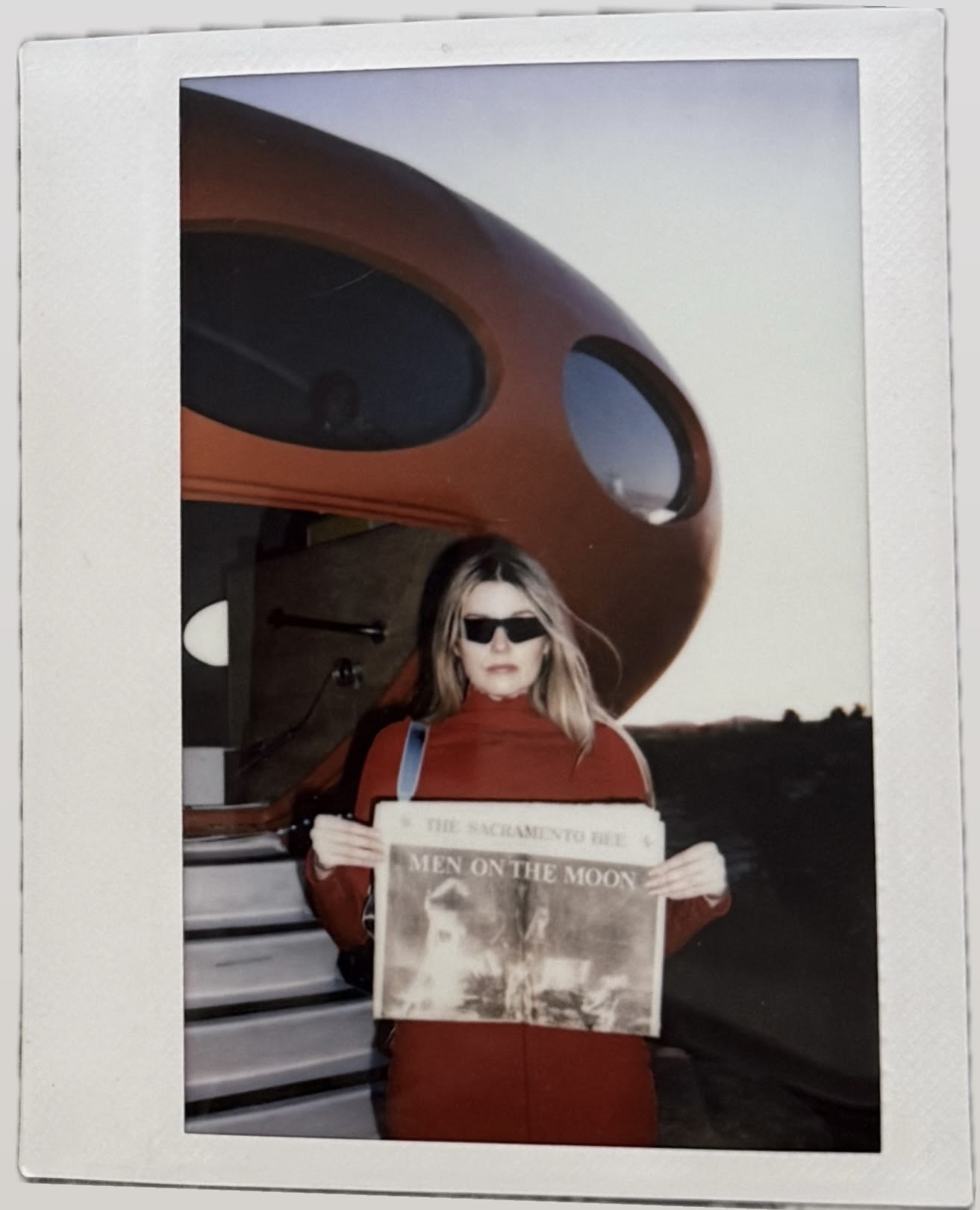
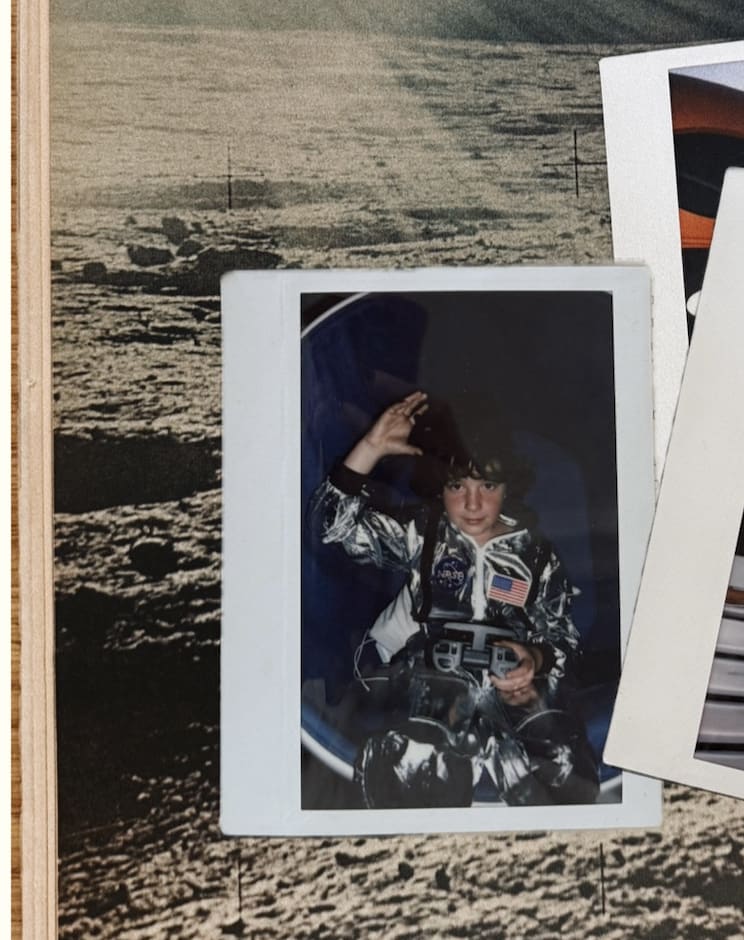

SPECIES MISBEHAVIOR: DOMESTIC DEMON EDITION
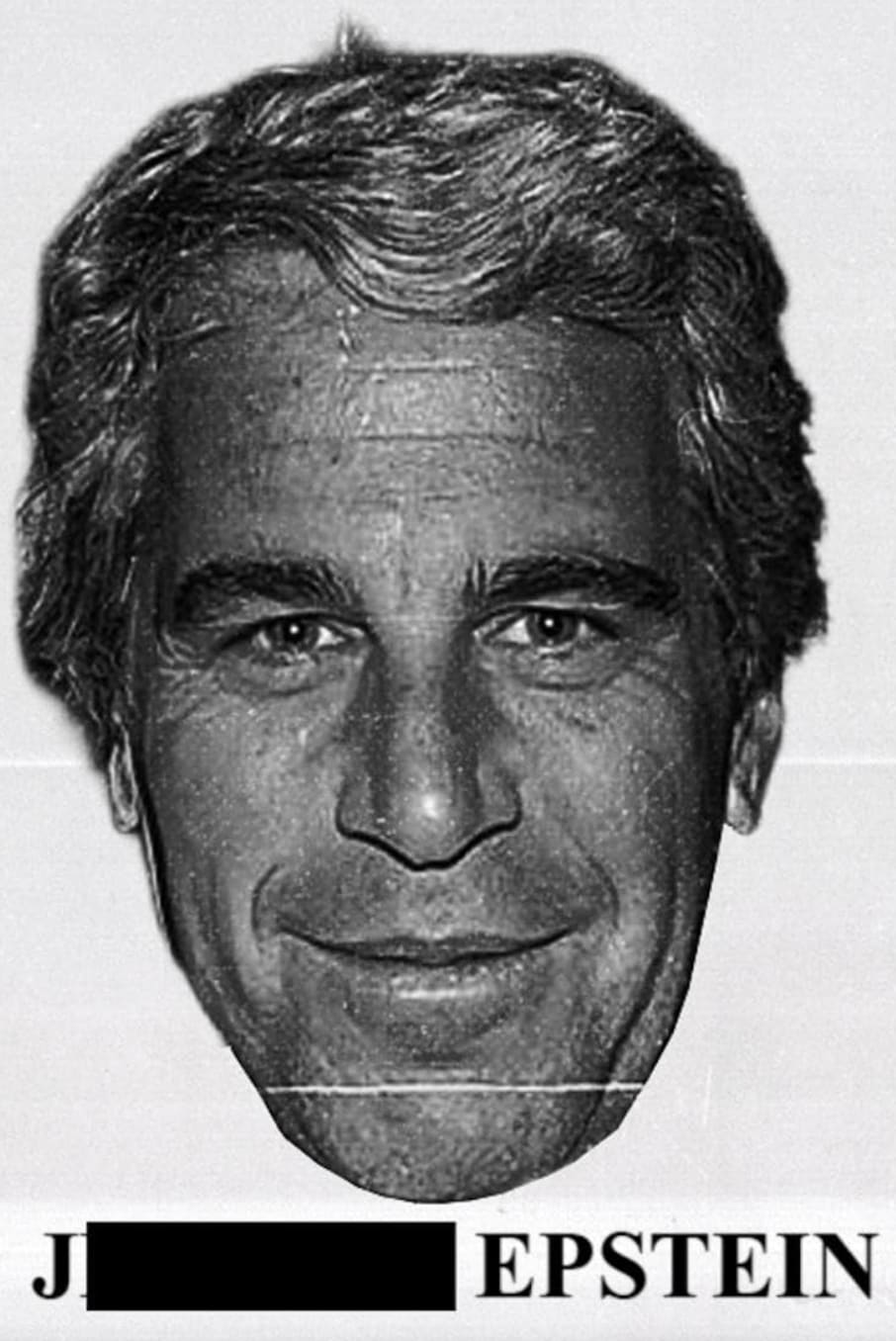
The blitzes of war and space are not enough to deflect all interest in the Epstein files. The Miami Herald broke news this week about a prison officer’s call to the FBI regarding activity in the days that followed Epstein’s 2019 death, in which “bags and bags” of documents were shredded and discarded. The princess of Norway came out to defend her association with Epstein on the grounds that she had been “manipulated” by him. Trump’s nominee to chair the Fed, Kevin Warsh, has to clear an Epstein obstacle on his way to confirmation. Pam Bondi and Todd Blanche appeared on the Hill for a briefing on subpoena compliance related to the files, which took place behind closed doors, except for the spectacle in the hallway when Democrats stormed out. Unable to leave her quarters, still, is Ghislaine Maxwell, imprisoned in Texas, one of the women held accountable for crimes that benefited men and harmed girls, while the men, with some exceptions (Peter Attia, punished for bad-look old emails that suggested nothing by way of criminal behavior) have safely climbed to higher rungs on the ladder to power.

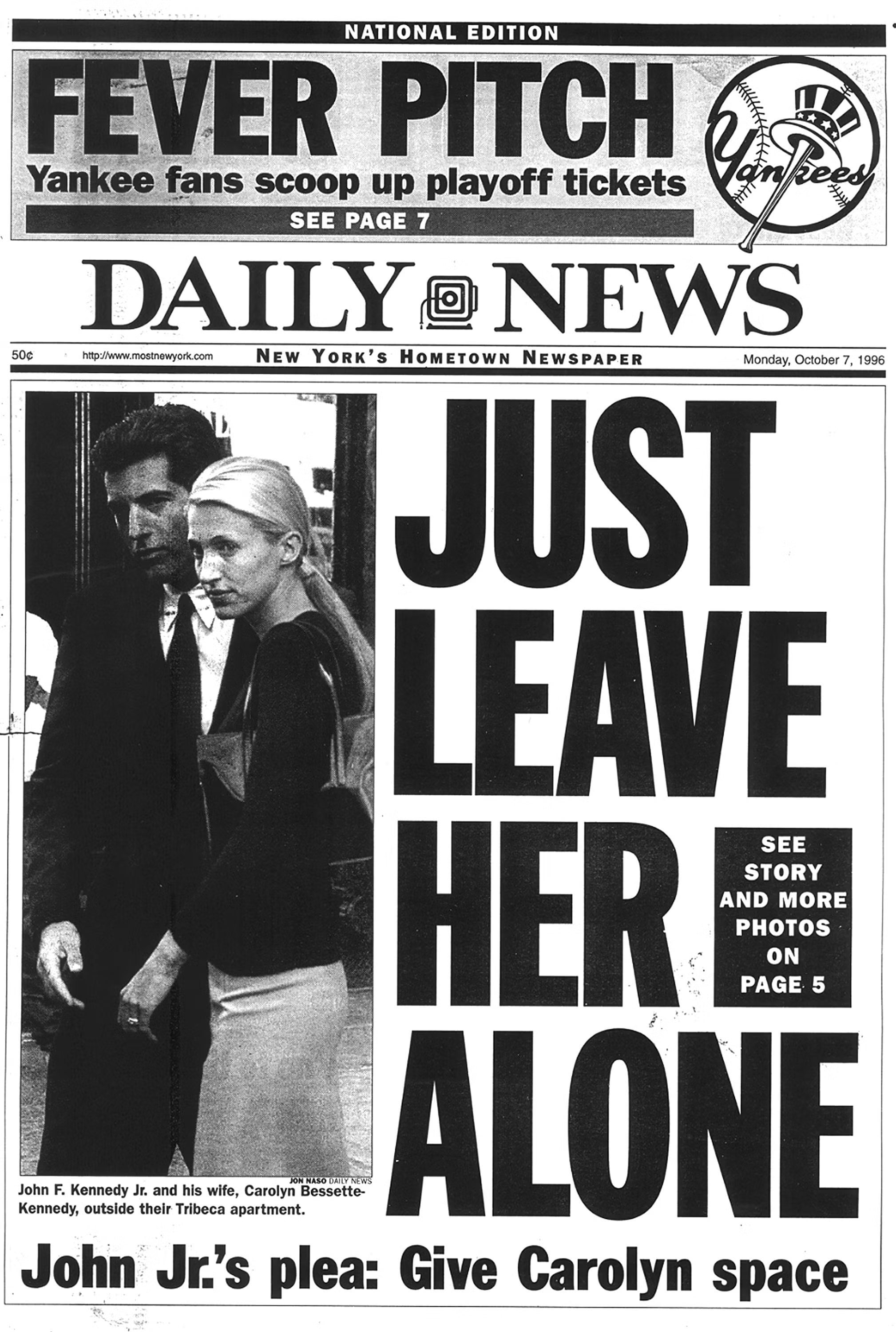

SHADOWBOXING WITH NOSTALGIA IN THE BLOCK-UNIVERSE
If we needed support for the theory that past, present, and future are all happening all at once, the drama surrounding Love Story helps. The past isn’t past, it’s true, since we’re always rewriting and relitigating it. Daryl Hannah took to the New York Times opinion page to complain that Ryan Murphy’s depiction of a needy, annoying, and self-centered “Daryl Hannah” is false and unfair.
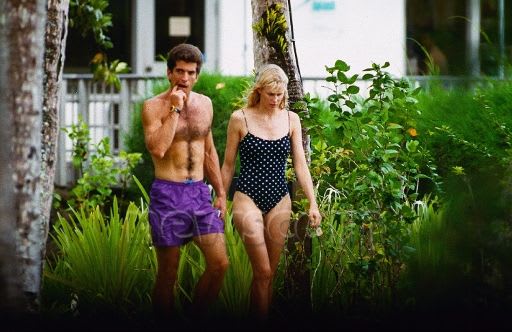
The “tragedy-exploiting” series relies on “distortion” of her real-life character to achieve made-for-television drama, she writes. “Storytelling requires tension…but a real, living person is not a narrative device.” She goes on to defend herself against the behavior of “Daryl Hannah” as depicted by Murphy: “I have never used cocaine in my life or hosted cocaine-fueled parties. I have never pressured anyone into marriage. I have never…” and so on. “It’s appalling to me that I even have to defend myself against a television show. These are not creative embellishments of personality. They are assertions about conduct—and they are false.”
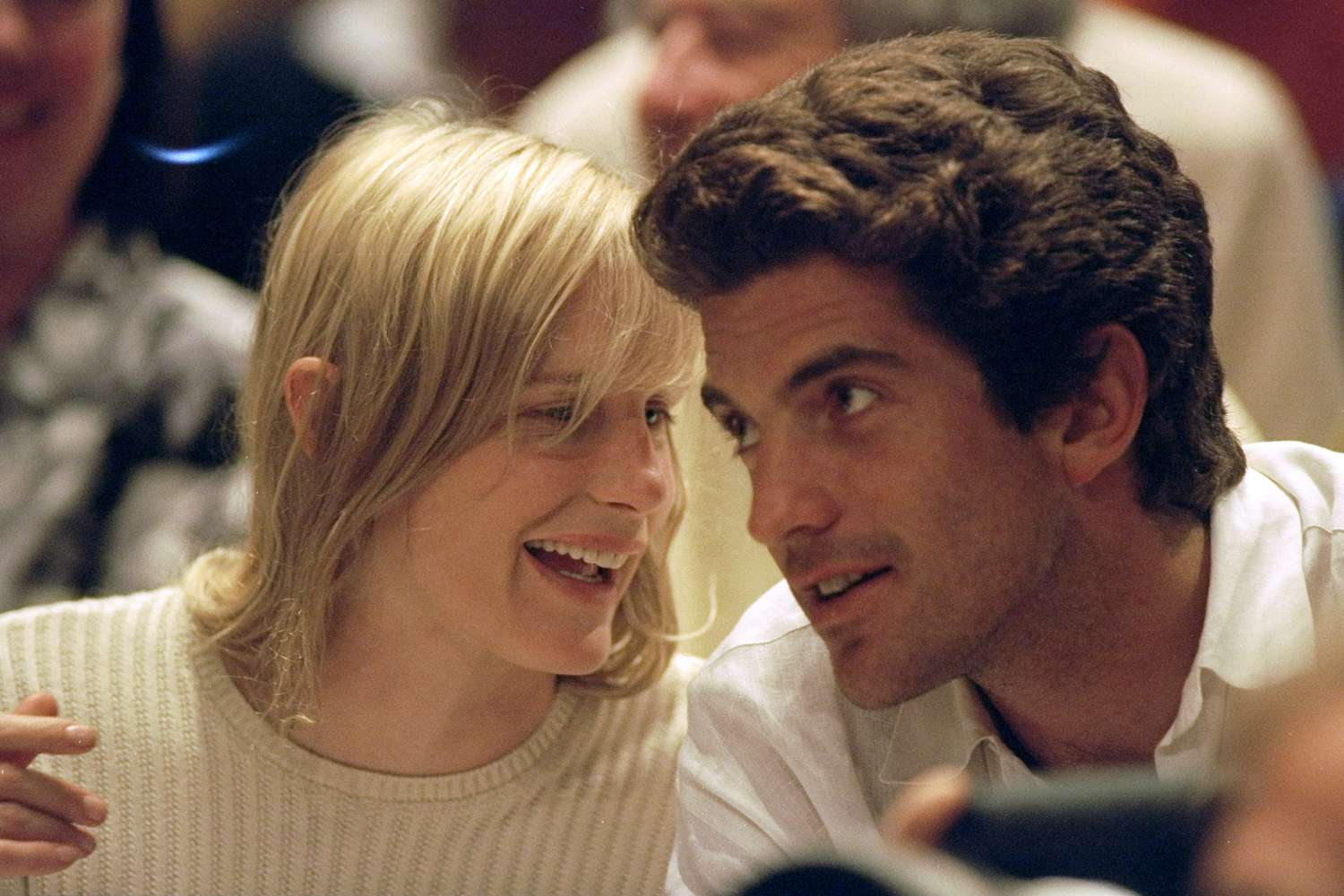
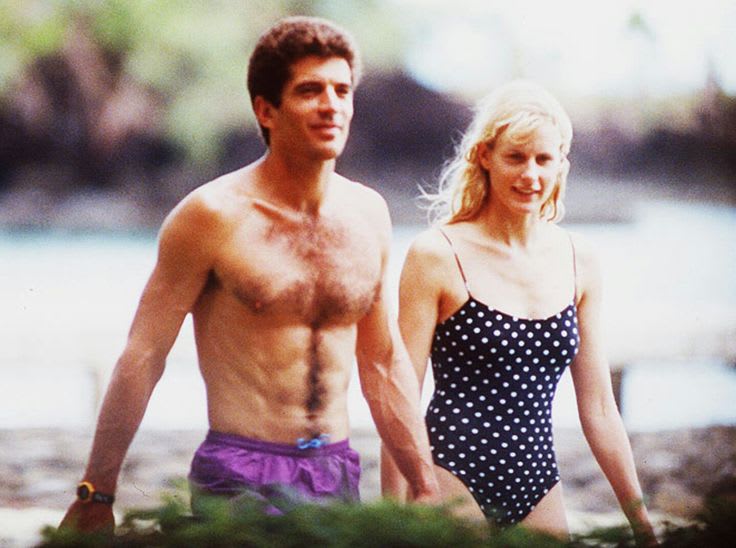
I should note that Love Story is not billed as a documentary. Like other Ryan Murphy productions based on real-life events (Bill Clinton and Monica Lewinsky, Gianni Versace, Nicole Brown and OJ Simpson…) it’s a camp dramatization of public drama. Still, I understand why Daryl Hannah felt aggrieved by “Daryl Hannah,” and even more so, I understand why the New York Times opinion editors wanted her to write the column. It’s a 90s-style multimedia spat fit for the pages of George—and I love it. I love Love Story, too.
Daryl Hannah is aligned with JFK Jr.’s nephew, Jack Schlossberg, who is not a character in the show (so far…) since he was a small child during the period covered in the program. By the time she was filing copy to the Times, Jack had already called Murphy “grotesque” and a “pervert” who “looks like a thumb” and was “profiting off” tragedy.
When he announced his campaign in November, it was another stroke of genius casting by the Times, with a Maureen Dowd profile and gorgeous 16mm-style footage by photographer Sabrina Santiago that harkened back to the aesthetics of what his grandmother, among the best and most consequential editors of the twentieth century, named Camelot.
Ryan Murphy told Dowd that the term “pervert” was “a centuries-old vilification meant to condemn and weaponize hate against gay people” and “I received threats against my personal safety and that of my family because of it.” The hate Jack incited against him, he added, made him unfit to hold office. “How is that not disqualifying to someone who is asking to represent what has to be one of the highest concentrations of L.G.B.T.Q. voters in one district?”
Jack declined to apologize. “In my mind, that’s a form of perversion, to be so obsessed with somebody’s sexuality and their love life, to produce a multimillion-dollar series about them,” he told Dowd.
But it seems obvious that all the Kennedy nostalgia is helping Jack launch his own political career. He’s currently leading what few polls exist in New York’s 12th congressional district race to fill the seat vacated by the retirement of Jerry Nadler—to the dismay of Jerry Nadler, who endorsed a not-famous but qualified councilman to succeed him, only to find that his opinion hardly matters in the district he’s represented for as long as Jack has been alive. Nadler’s candidate trails the Nancy Pelosi-endorsed Jack and Republican operative-turned-Resistance-influencer George Conway, who enjoys popularity among the poshest liberals in the district. In January 1999, John said, “politics has migrated into the realm of popular culture.” He was explaining the conceit of his magazine, George, which confounded others in the media who couldn’t make sense of his glossy collision of movie stars and moderates. Popular culture has now migrated into the realm of politics, too—something his nephew understands better than others.
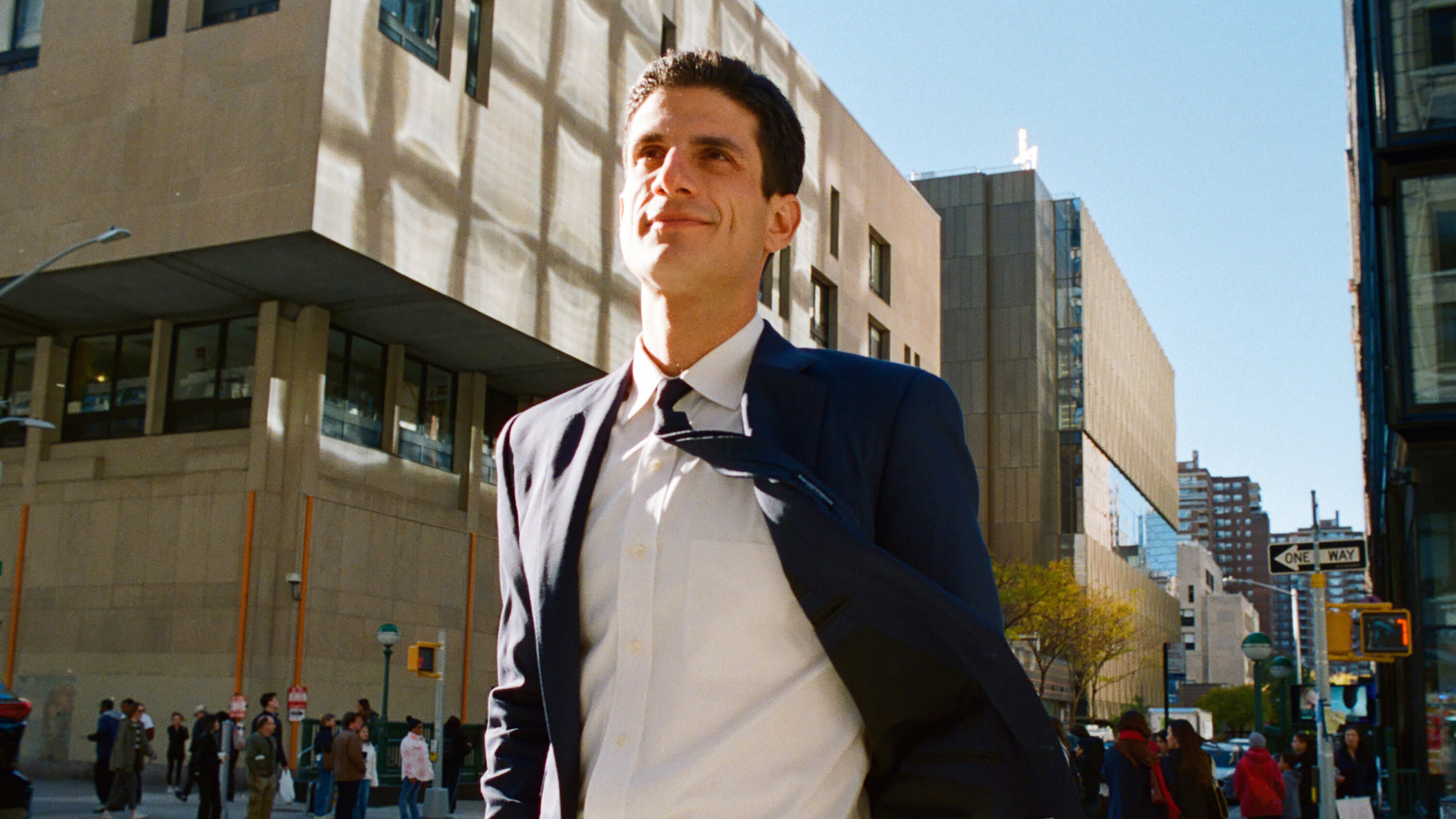
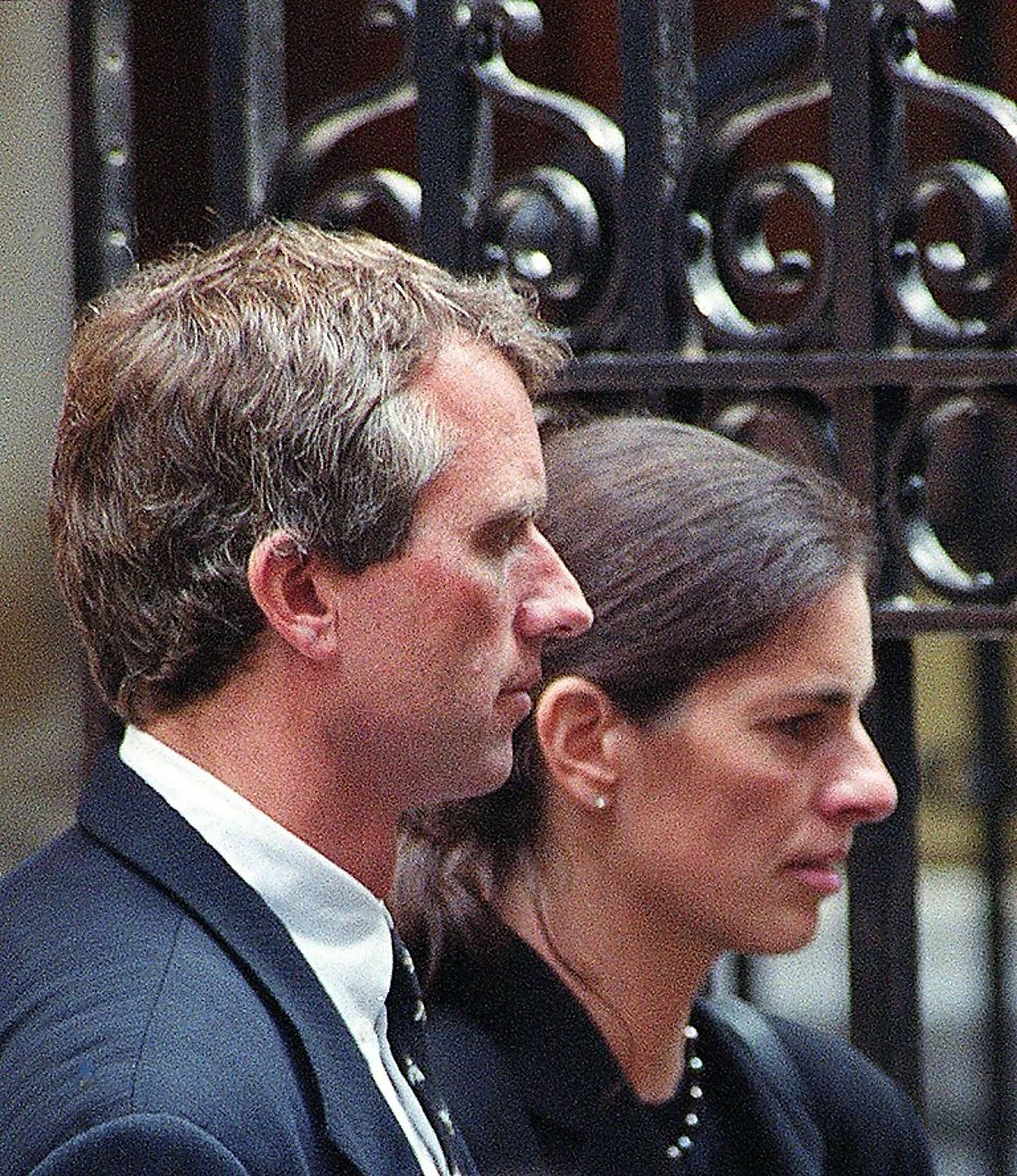
Jack is not the first Kennedy to find himself disgusted by perceived mistreatment of John Jr. or Carolyn. In the days after the July 1999 plane crash that killed the couple, as well as Carolyn’s sister, Lauren Bessette, RFK documented the contemptible conduct of his family members in his diary, which was obtained by investigative journalist Isabel Vincent in 2013.
RFK wrote that his second wife, Mary Richardson Kennedy (who died by suicide in 2012) had visited John and Carolyn, and that Carolyn had told her that her husband was “so depressed” because he was feuding with his sister, Caroline, over the division of their mother’s assets, including furniture. “John confided to me also about how hurt he was by Caroline’s actions,” RFK said.
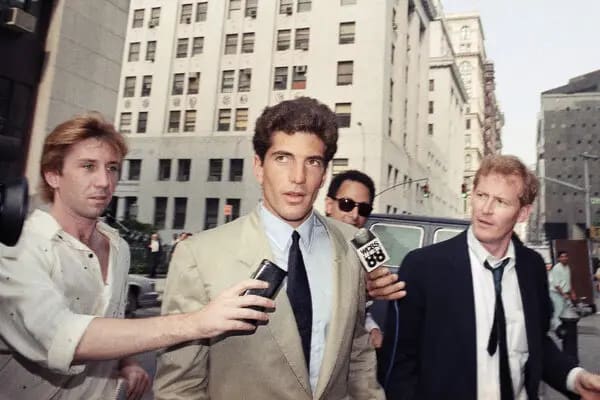
John struggled, too, with reconciling his editorial ambitions at George with the obligations implied by his last name. After John welcomed Larry Flint, the controversial publisher of Hustler (and fervent free speech activist) to his White House Correspondents’ Dinner table, he received a chiding letter from his uncle, Ted, who was “disappointed” in his decision (here’s a 1969 report about how Ted sought to prevent his prosecution over the death of Mary Jo Kopechne, who was the passenger in his Oldsmobile when he crashed into a pond, freed only himself from the wreck, swam to shore, and failed to call for help as she drowned).
“John was hurt by that because his family is so important,” RFK wrote. “Mary and I resolved we will go see them this weekend and spend a lot of time with them.”
They had all been scheduled to arrive on Hyannis Port for his sister Rory’s wedding, but when RFK showed up at John’s house prior to the rehearsal dinner at 6 pm, he wasn’t there. He wrote that he stopped by again at 9 pm. Again at 10 pm. And again at 11:30 pm. He still hadn’t arrived. “I wasn’t worried at all because anything can happen with John,” RFK wrote. At 3 am, his sister, Kerry, woke him with news that John’s plane was missing. “I knew then that John was dead,” he said. The porch light was burning, he noted. “The water was 68 degrees so some people had hope they might still be alive but I had none.”
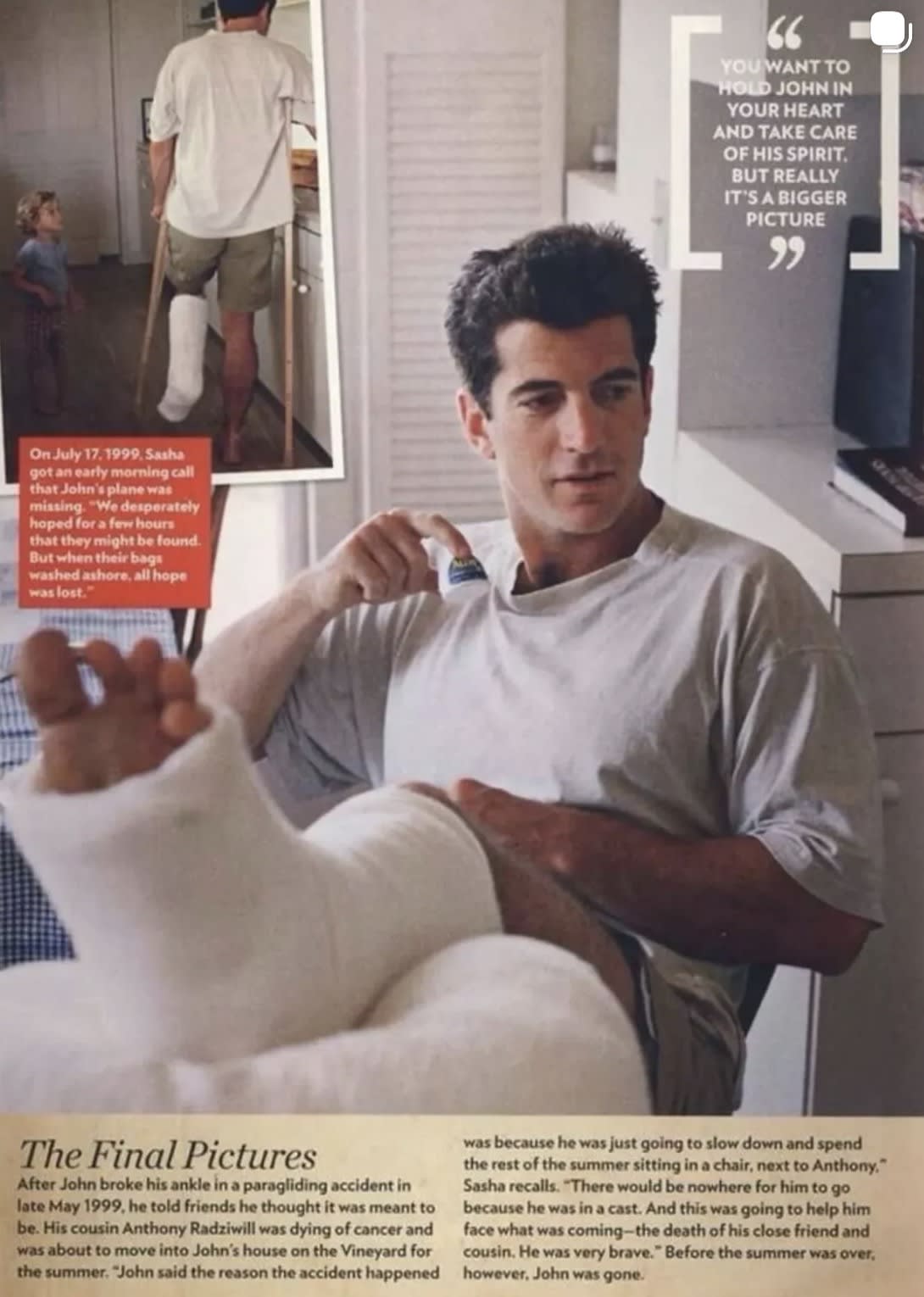
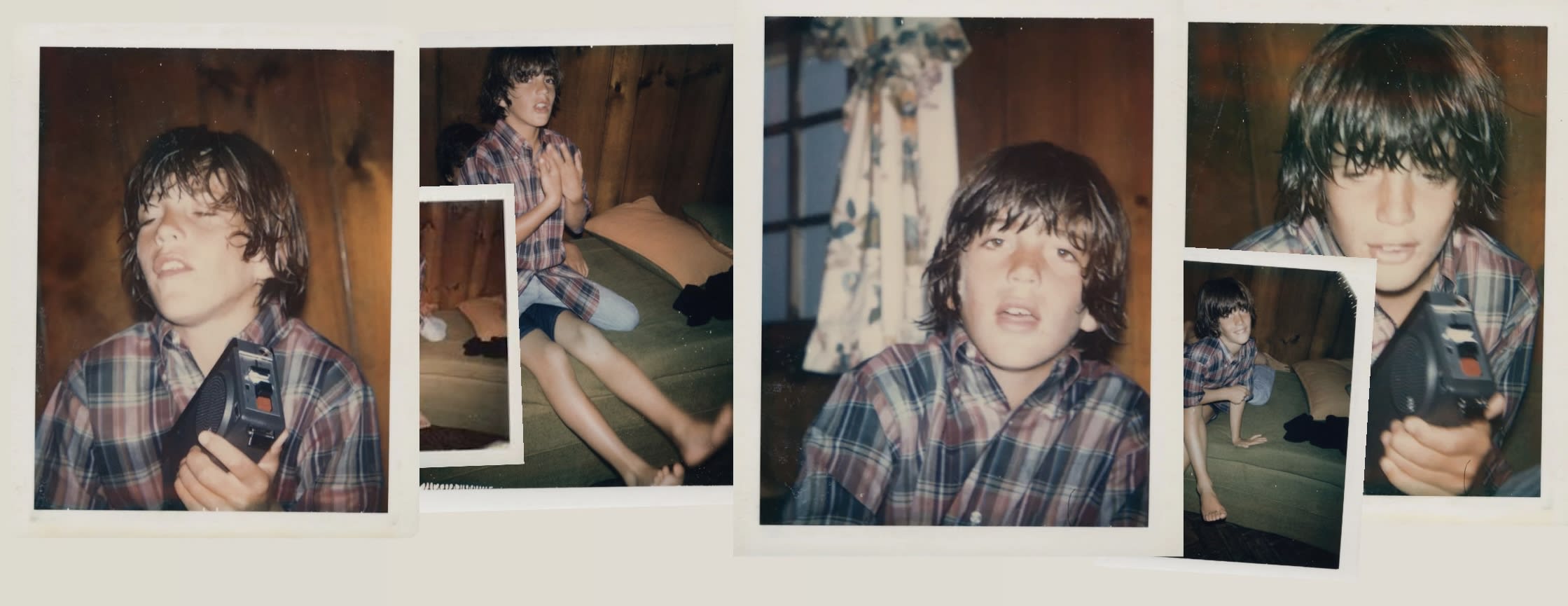
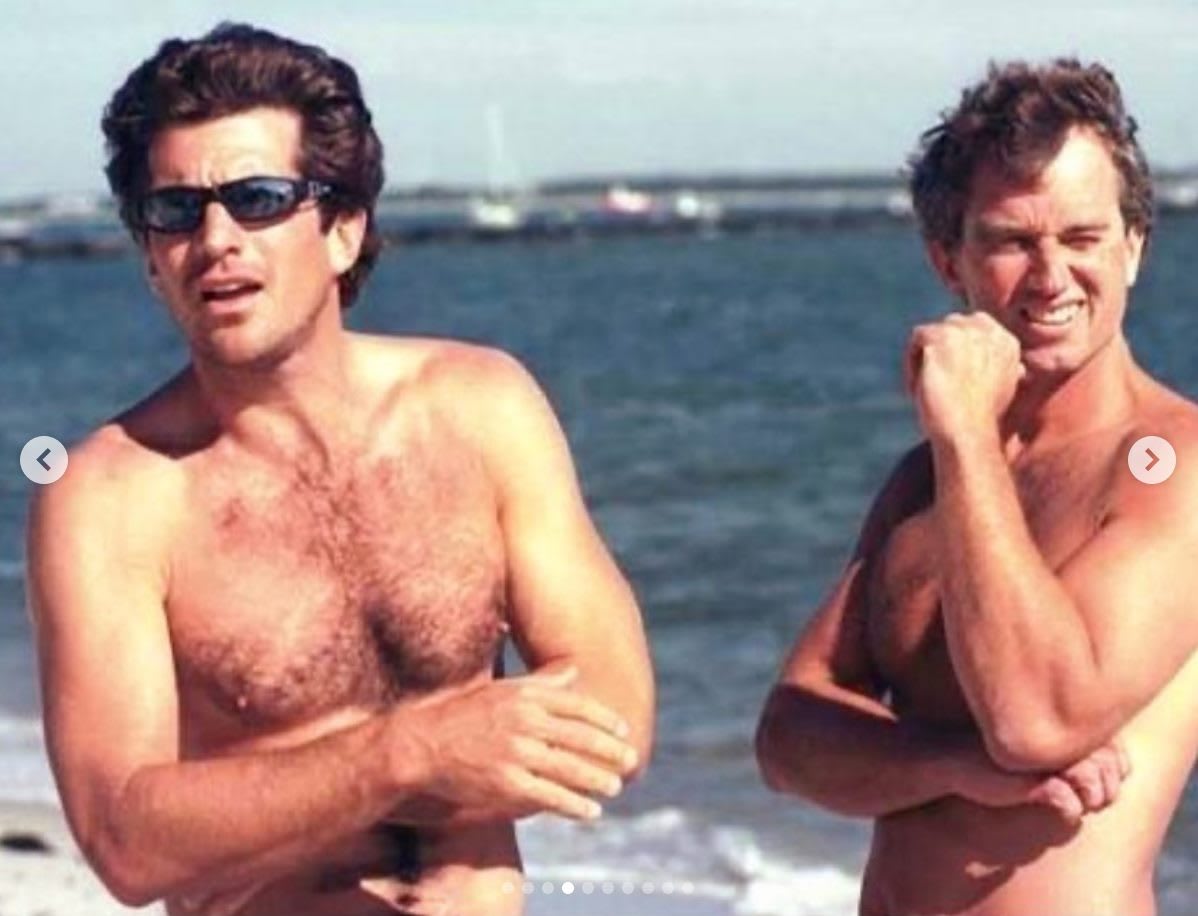
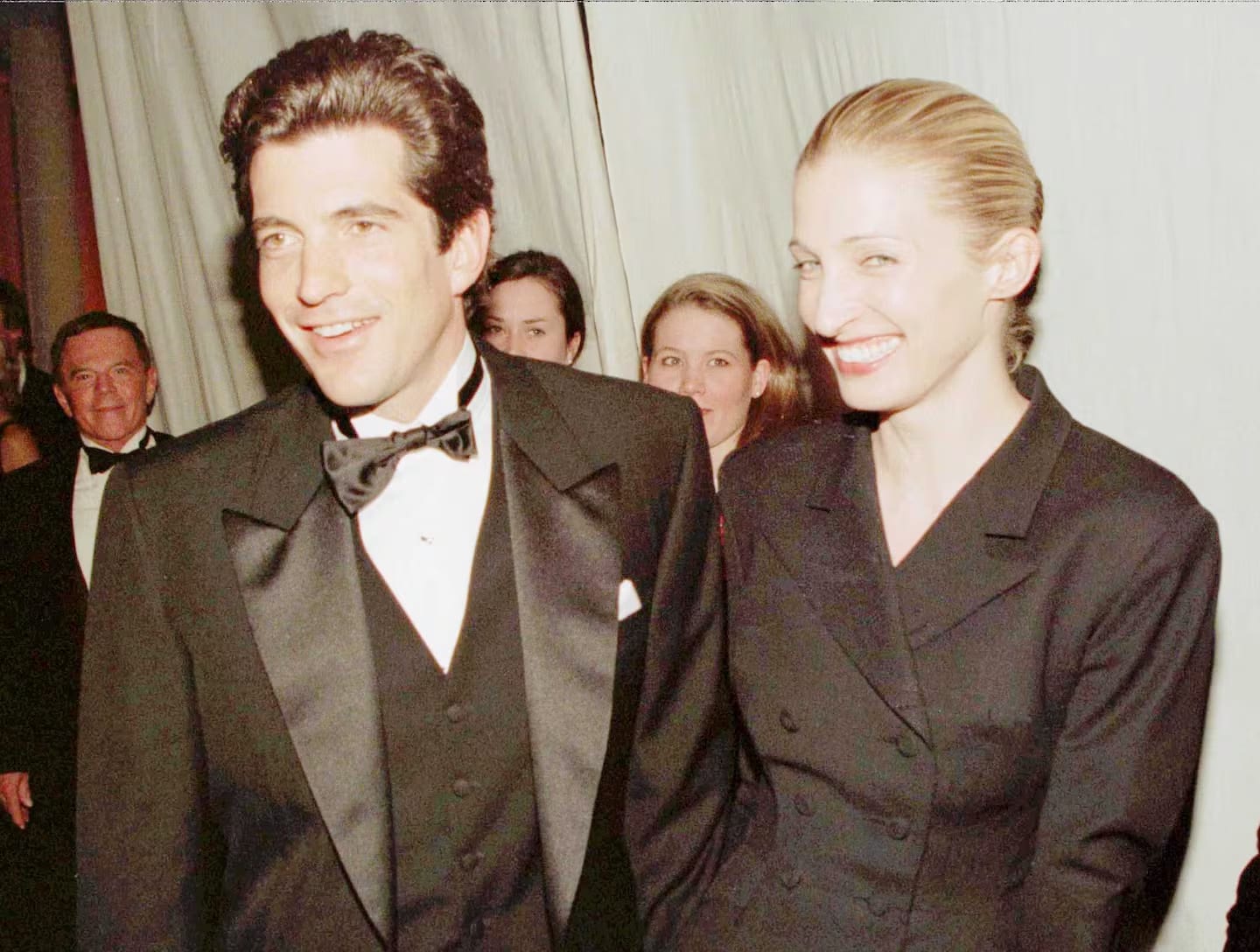
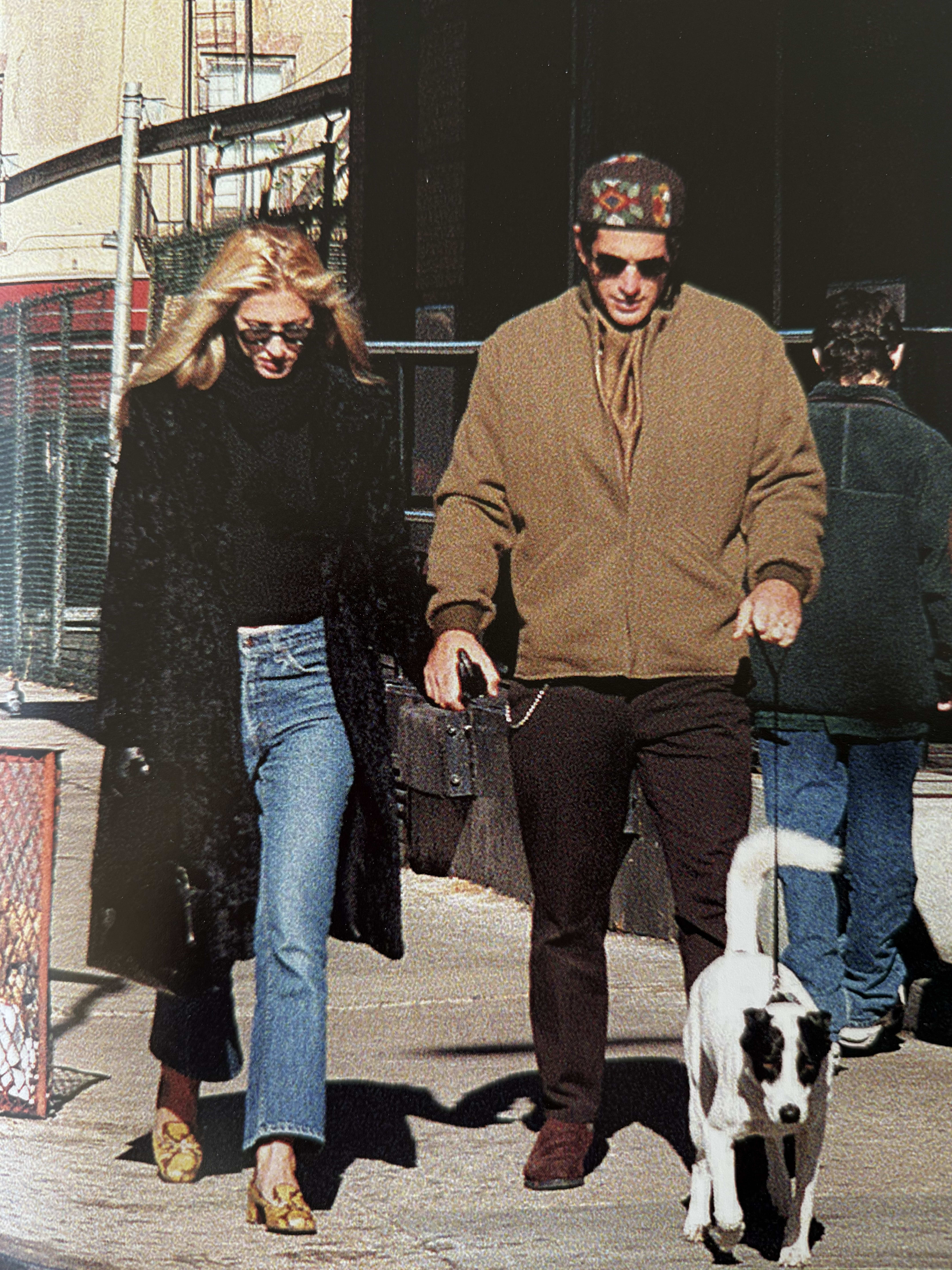
The following day, before the bodies were even recovered, arguments over the burial began. “Ann wants them close by and is terrified that the K family might try to spirit them to Brookline,” RFK wrote, referring to Ann Freeman, Carolyn and Lauren’s mother, who wanted to bury her two daughters close to where she had raised them in Greenwich, rather than the Kennedy family plot in Massachusetts. The Kennedys were unsympathetic to Ann, according to RFK, and when a meeting was arranged to sort out the dispute in New York, John’s sister, Caroline, stood Ann up. She was represented by her husband, Ed Schlossberg, and Ted’s wife, Vicky, instead. “All the Bessette family knows that Ed hated Carolyn and did everything in his power to make her life miserable and . . . he bullied, bullied, bullied the shattered grieving mother,” RFK wrote.
The bodies were discovered days later and ultimately buried at sea. RFK described the scene: “The water had more jellyfish in it than anyone had ever seen. When they let go of the ashes, the plume erupted and settled in the water and passed by in the green current like a ghost. We tossed flowers onto the ghosts. Some of the girls tossed letters from a packet they’d assembled from John’s and Carolyn’s friends. It was a civil violation but the Coast Guard let it go.” The Navy band “played mournful music,” he added, “and we all cried like babies.”
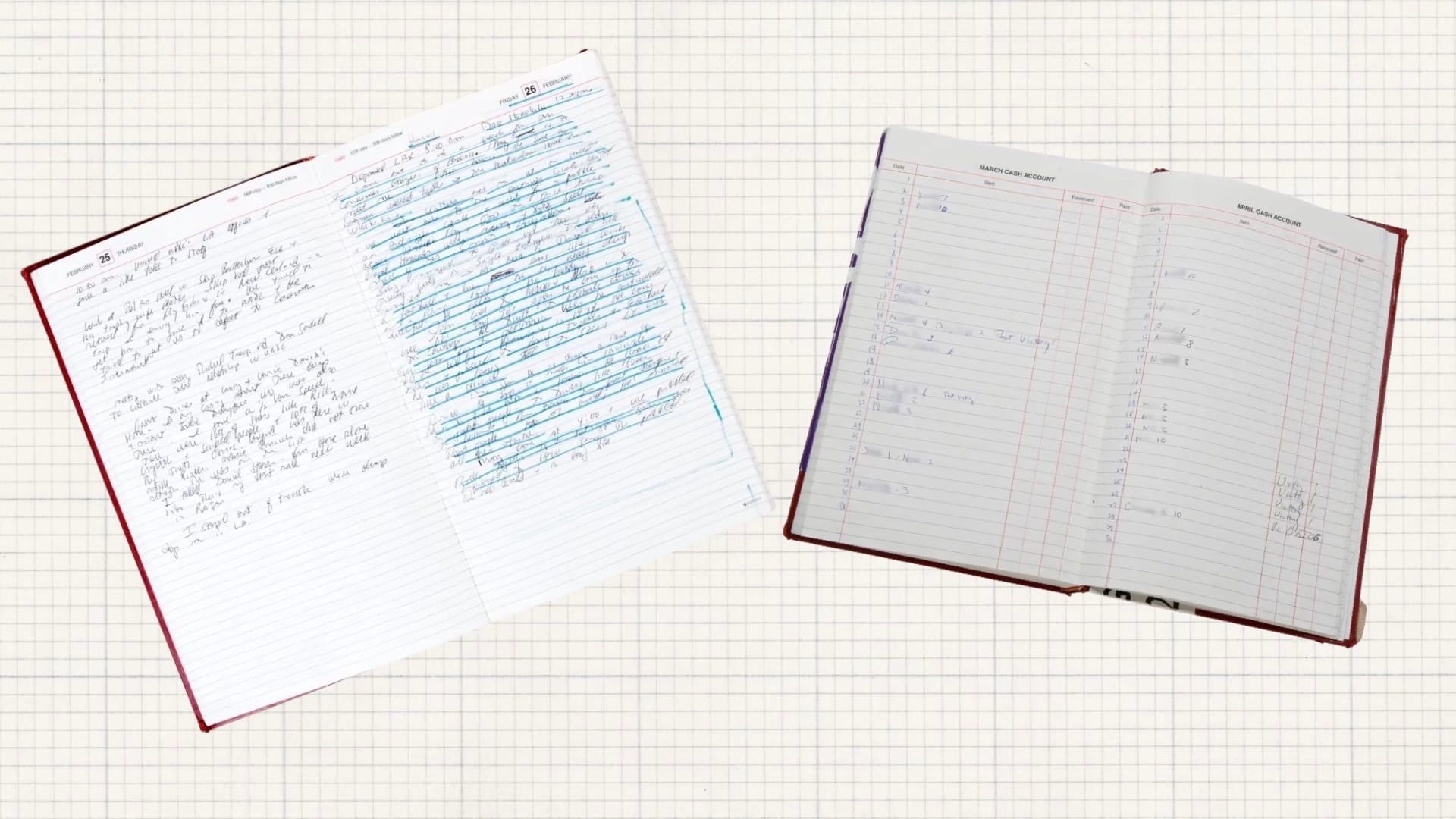
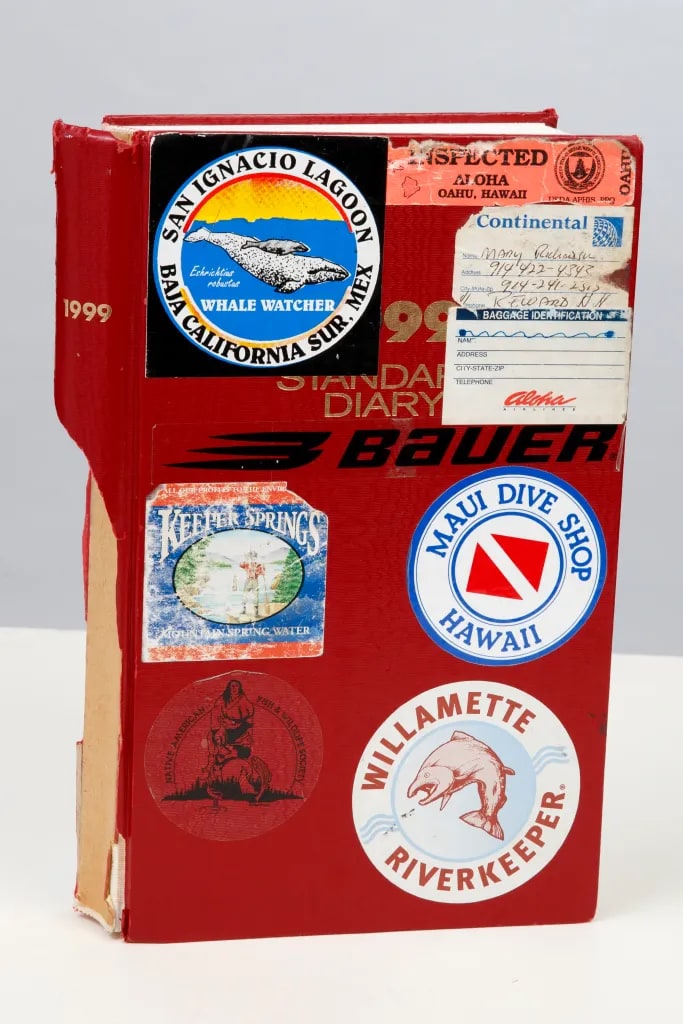
The passages written by RFK are from one of the three diaries Isabel Vincent obtained in 2013. She published a spate of stories at the time and a few more a decade later, in 2024, amid the scandal that erupted over the entanglement between RFK and Olivia Nuzzi, focused mostly on what RFK disclosed about his “lust demons” and rampant infidelity, as well as some gossip about prominent political figures and subjects of tabloid interest, like Al Sharpton.
We now know that Vincent’s reporting on the materials amounts to just a fraction of their content.
On Sunday morning, the New York Post published an excerpt from RFK: The Fall and Rise, her forthcoming book (out April 14, from Harper Collins), which relies on over 1,000 pages of diary entries in addition to interviews and more traditional reporting.
The last three presidential administrations have features the publication of private communications belonging to people associated with the chief executive. Paul Manafort’s daughter’s trove of text messages. Ashley Biden’s diary. Hunter Biden’s laptop. Already in this administration, RFK’s alleged private writing to Olivia Nuzzi was published by her vengeful ex (you can watch our conversation about that here).
RFK: The Fall and Rise represents something less common and maybe even unheard of: a book based on exclusive access to the private writings of a sitting member of a presidential cabinet featuring first-hand insight into an American political dynasty that has exerted unrivaled influence on our government and popular culture for an entire century and counting.
EXCUSLIVE
ISABEL VINCENT ON RFK’S DIARIES
Just after the announcement of her book, I got in touch with Isabel to discuss the project.
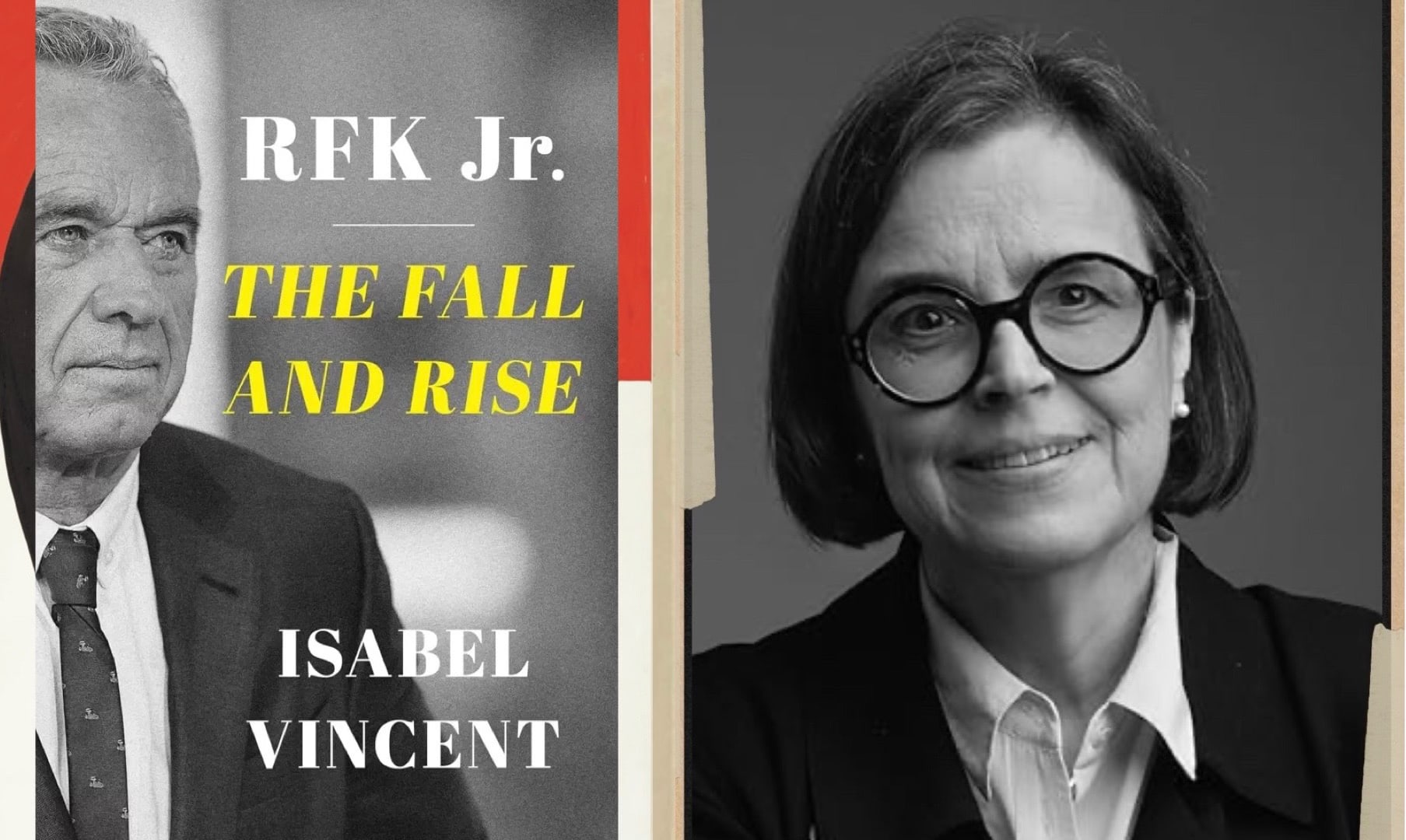
At the time that she came to possess the diaries, “I didn’t know much about him,” she said. Just the basic facts: He was famous because he was JFK’s nephew, and he was important because he was leveraging his storied name in service to his environmentalism. “We had a meeting at The Post about what was the public good in writing about the diaries. We came to the conclusion that Bobby had turned himself into a consequential public figure through his environmental work, and the diaries chronicle his importance to the Democratic Party in the early aughts.” He documents his associations with Bill Clinton and Al Gore, his activities traversing the globe to speak to corporations about his causes, and his civil disobedience in the Dakotas and Vieques. “And he is a Kennedy—American royalty, which has always been an endless source of curiosity and fascination.”
When Isabel first contacted RFK about the diaries in 2013, he said it was fake news. ““I don’t think there is any way you could have a diary or journal of mine from 2001…I don't have any comment on it. I have no diary from 2001,” he told her.
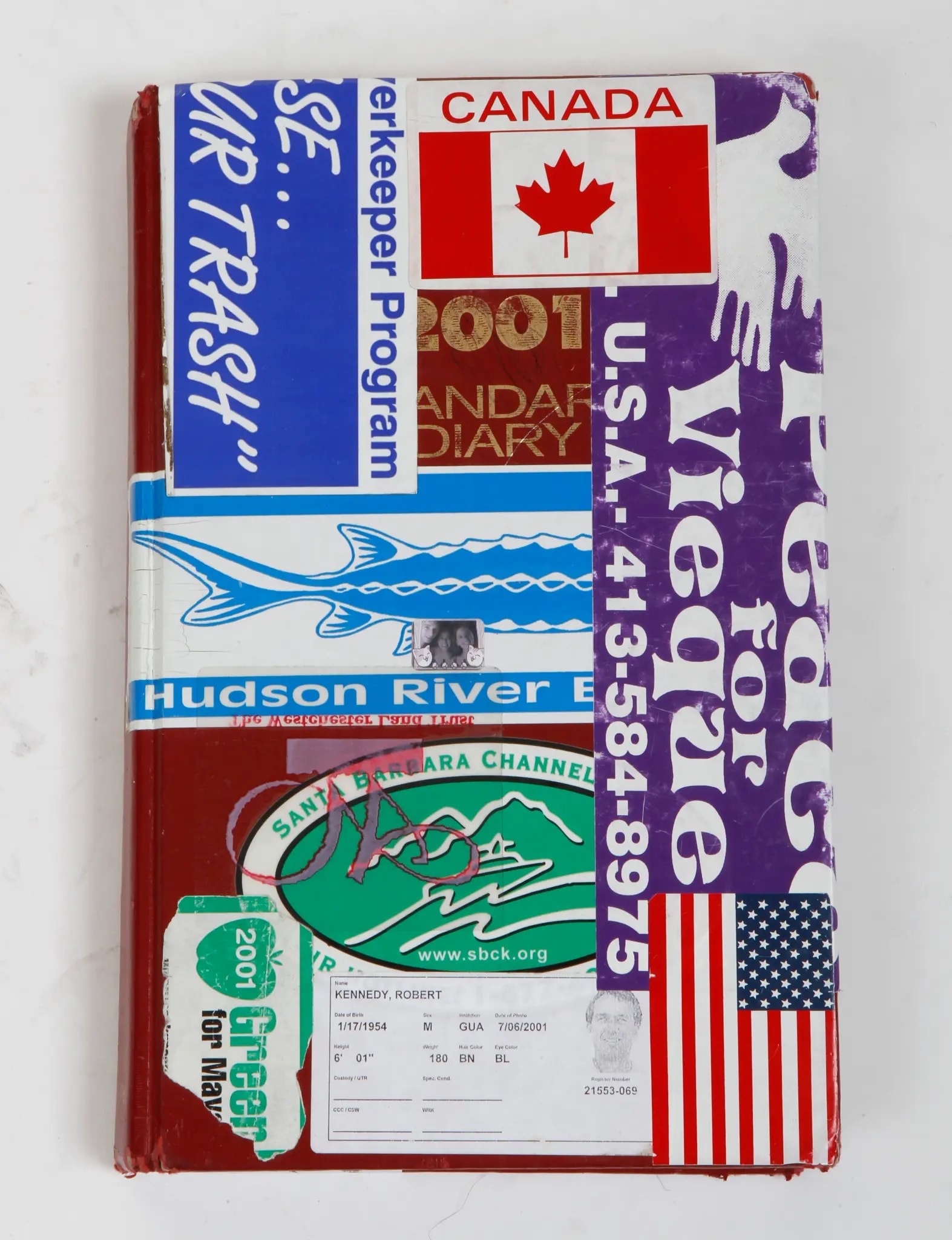
February 6, 2001: “I narrowly escaped being mugged by a double team of [two women]. It was tempting but I prayed and God gave me the strength to say no.”
July 25, 2001: “After daddy died I struggled to be a grown-up … I felt he was watching me from heaven. Every time I was afflicted with sexual thoughts, I felt a failure. I hated myself. I began to lie — to make up a character who was the hero and leader that I wished I was.”
November 5, 2001: “Despite the terrible things happening in the world, my life is … great. So I’ve been looking for ways to screw it up. I’m like Adam and live in Eden, and I can have everything but the fruit. But the fruit is all I want.”
“Kennedy writes near the end of his jail sentence that he has a ‘three-point plan’ for ‘fixing my greatest defect … my lust demons.’ He doesn’t write down the plan, leaving the subsequent days of the diary blank.
In a subsequent statement to Isabel in 2013, RFK retracted his denial that the diaries belonged to him and instead referred to them as stolen. He later blamed the theft on his second wife. “They are definitely his diaries. From what I understand from my source, he pretty much kept them lying around. He actually admits to losing a volume on a trip in one of the entries,” Isabel told me.
Vincent is an investigator and a journalism professor at Fordham University. Her previous books have ranged from subjects as varied as World War II, a Brazilian socialite, and US Senator-turned-convict Bob Menendez. RFK: The Fall and Rise is an unusual undertaking. An enormous trove of documents—seen only by her, interpreted only through her to the rest of the public and for history—that she’s lived with for thirteen years, in which the whole American political configuration has shape-shifted, and in which RFK transformed from a liberal hero to a Democratic Party outcast and then a conservative star, serving a president who, in 2013, was in Midtown sharing his opinions about celebrity breakups and Diet Coke on Twitter or Entertainment Tonight.
After spending so much time with RFK as perhaps no one else ever has, I wanted to know what Isabel thought about him.
“Some days I really liked him,” she said. “He really grapples what he calls his sins of addiction, mainly to women.” He wanted “to be a decent person,” she said, and to “live up to” his father. “There were times I felt so sorry for him, when he goes back into his 14 year old self.” He writes about “after ‘daddy’ died,” she said, and the “emptiness he faced.” She said the writings reflect curiosity about people and the natural world.
But the writings also reflect malformed aspects of his character, she added. “He doesn’t take responsibility. He claims he was ‘mugged’ when he goes after women,” she said. “There were other times that I felt he was writing for someone else to read and setting forth his version of what went wrong with his marriage to Mary in order to justify his own bad behavior with respect to his cheating and not sharing his burden of the child care.”
“I set out to tell a story of a complicated man,” Isabel told me. “Some days I was astounded at the depth of his thought, his knowledge of religion and history. Other days, his sense of entitlement was infuriating. I hope I’ve conveyed that duality and complexity in the book.”
RFK: The Fall and Rise comes out on April 14. Preorder your copy here.
STAR REPORT
Mercury went direct on Friday, ending one of the worst retrogrades of my life, in which I and seemingly everyone I know was plagued by inconveniences and insanities big and small.
What's Your Reaction?
 Like
0
Like
0
 Dislike
0
Dislike
0
 Love
0
Love
0
 Funny
0
Funny
0
 Angry
0
Angry
0
 Sad
0
Sad
0
 Wow
0
Wow
0