



EXCLUSIVE: “I CUT HIM DOWN” — Epstein’s Cellmate, Cartel Cash, And New Evidence Contradicting His Conviction


Editor’s Note: First, thank you to Jay Beecher for compiling this entire case into one condensed article. Second, what follows is an immersive multimedia presentation. You can read through the narrative from Nick’s perspective, examine evidence pulled directly from his hard drive, and click on the audio clips embedded throughout to hear Nick explain key moments in his own words.
I encourage you to take your time with this. I have spent the last two years speaking with Nick to understand the full scope of his claims, reviewing trial records, exhibits, and the materials referenced in his petition. Context also matters. When I first connected with Nick, Donald Trump was not president and I was not covering politics. His story has not changed since the day I first spoke with him.
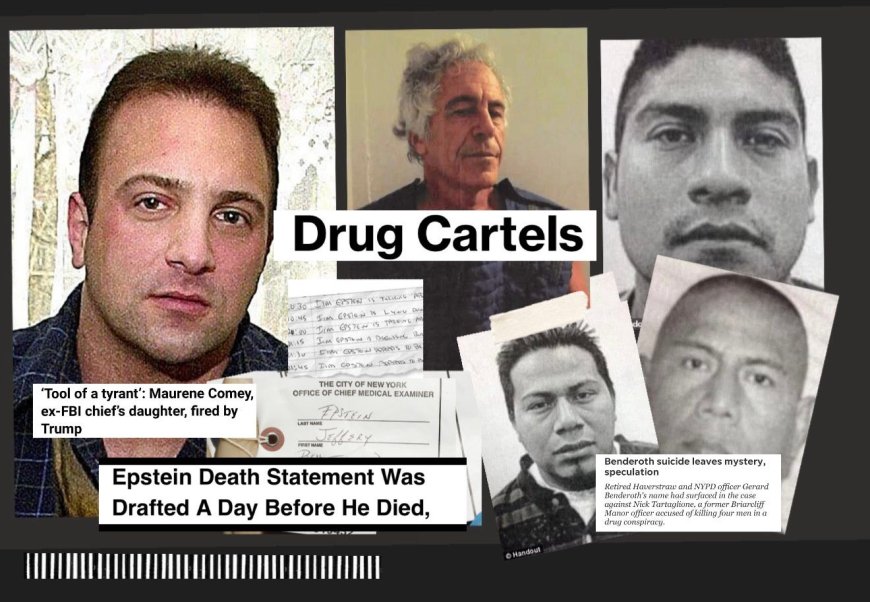
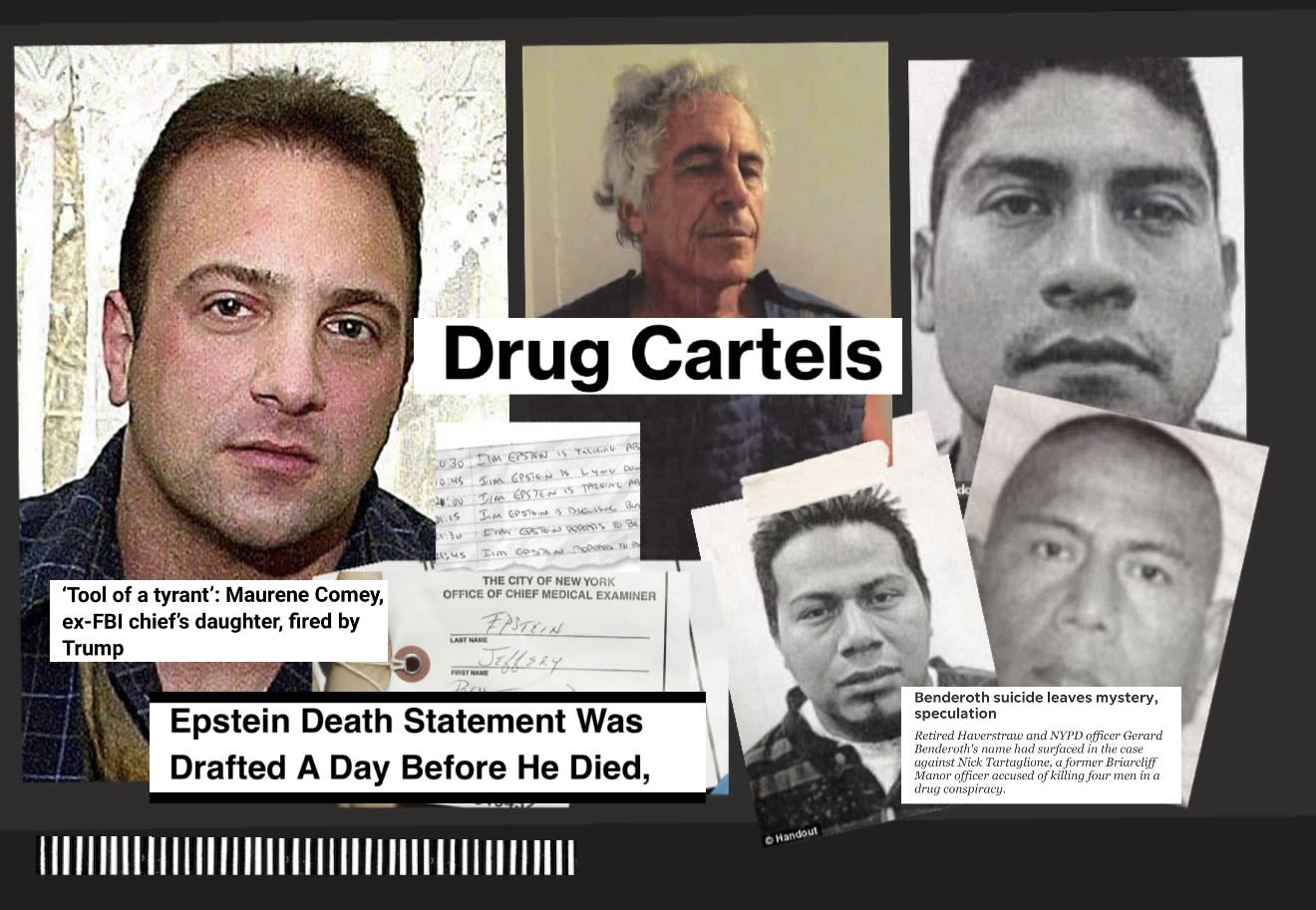
Refresher on the Cast of Characters Involved


AUDIO 1: “THIS ISN’T ABOUT TRUMP”


AUDIO 2: THE VICTIMS

On Paper,
The case against Nicholas (“Nick”) Tartaglione looks like the kind federal prosecutors love to present at trial: cartel money, a vanished crew, a former cop turned sanctuary boss, and violence so blunt it demands a villain. Four men disappear in Orange County, New York. Months later, four bodies are found buried on a property tied — however loosely — to Tartaglione. The story hardens when the government’s theory lands squarely on inevitability: Nick did it.
The trouble, as Nick’s petition for a pardon and the surrounding reporting insist, is that the case only looks inevitable once you accept a series of early decisions defended late — decisions he argues were shaped by grand jury perjury, witness coercion, and tampered evidence that turned an investigation into a conviction machine.
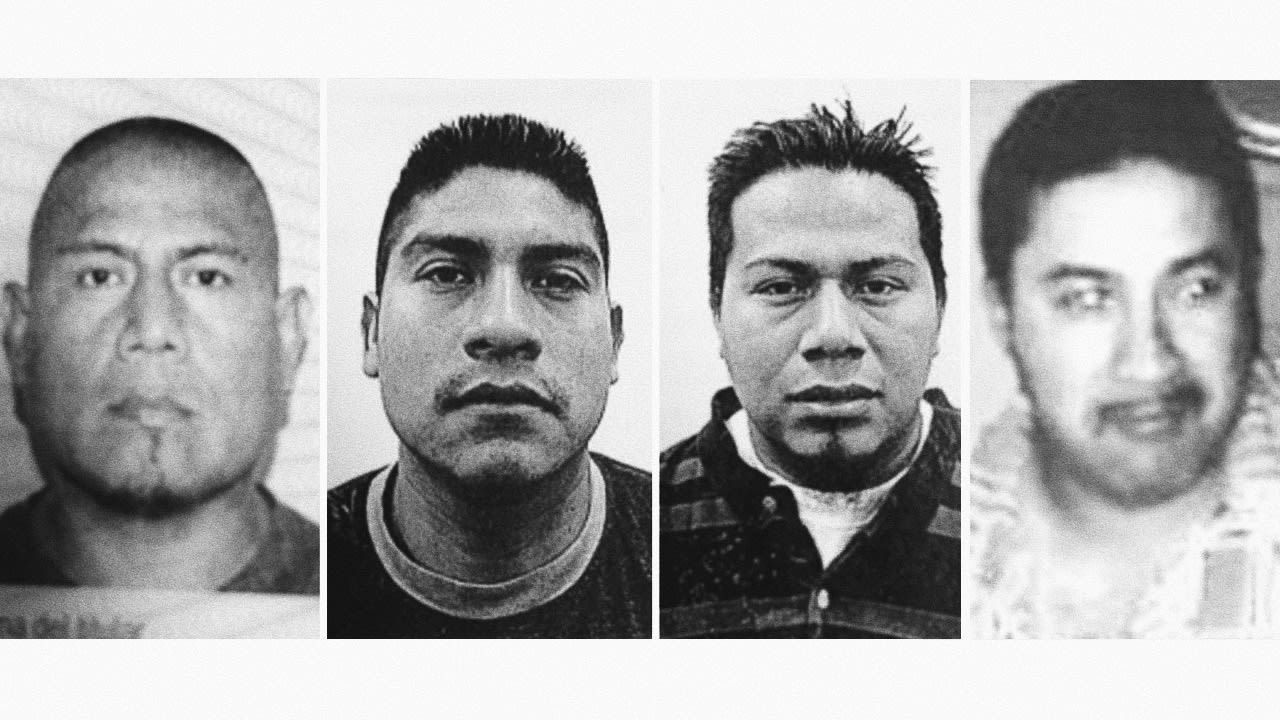
The four men were Martin Luna, Miguel Luna, Hector Gutierrez, and Urbano Santiago. In Nick’s account, repeated throughout his plea for clemency, they were not innocent bystanders caught in the crossfire. He describes them as violent undocumented immigrants and members of a Mexican drug cartel. He also claims the government knew this — and that key aspects of the case only make sense if the murders are viewed not as Nick’s crime, but as cartel business handled by cartel-connected individuals, with Nick as the convenient fall guy.
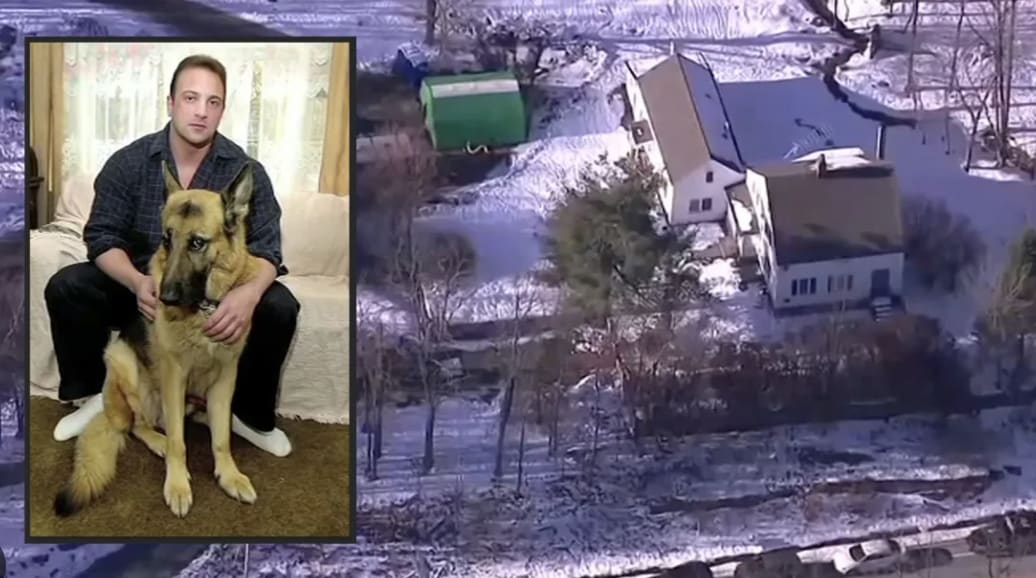
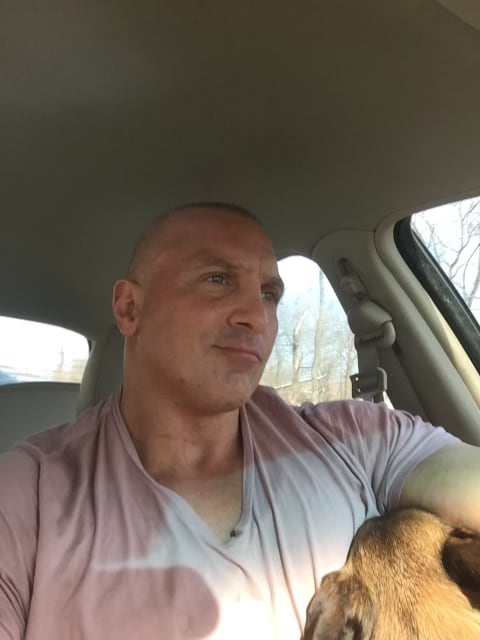
The story begins with a relationship that, in Nick’s telling, was unremarkable. Marcos Cruz worked for him at his animal sanctuary and lived on the property. Tartaglione, a former K-9 officer on disability after an on-the-job injury, had poured his life into animal rescue. Over the years he had saved thousands of animals from abandonment, abuse, slaughter auctions, and neglect—dogs, horses, deer, cats—the endless stream of injured creatures he rehabilitated and tried to place.
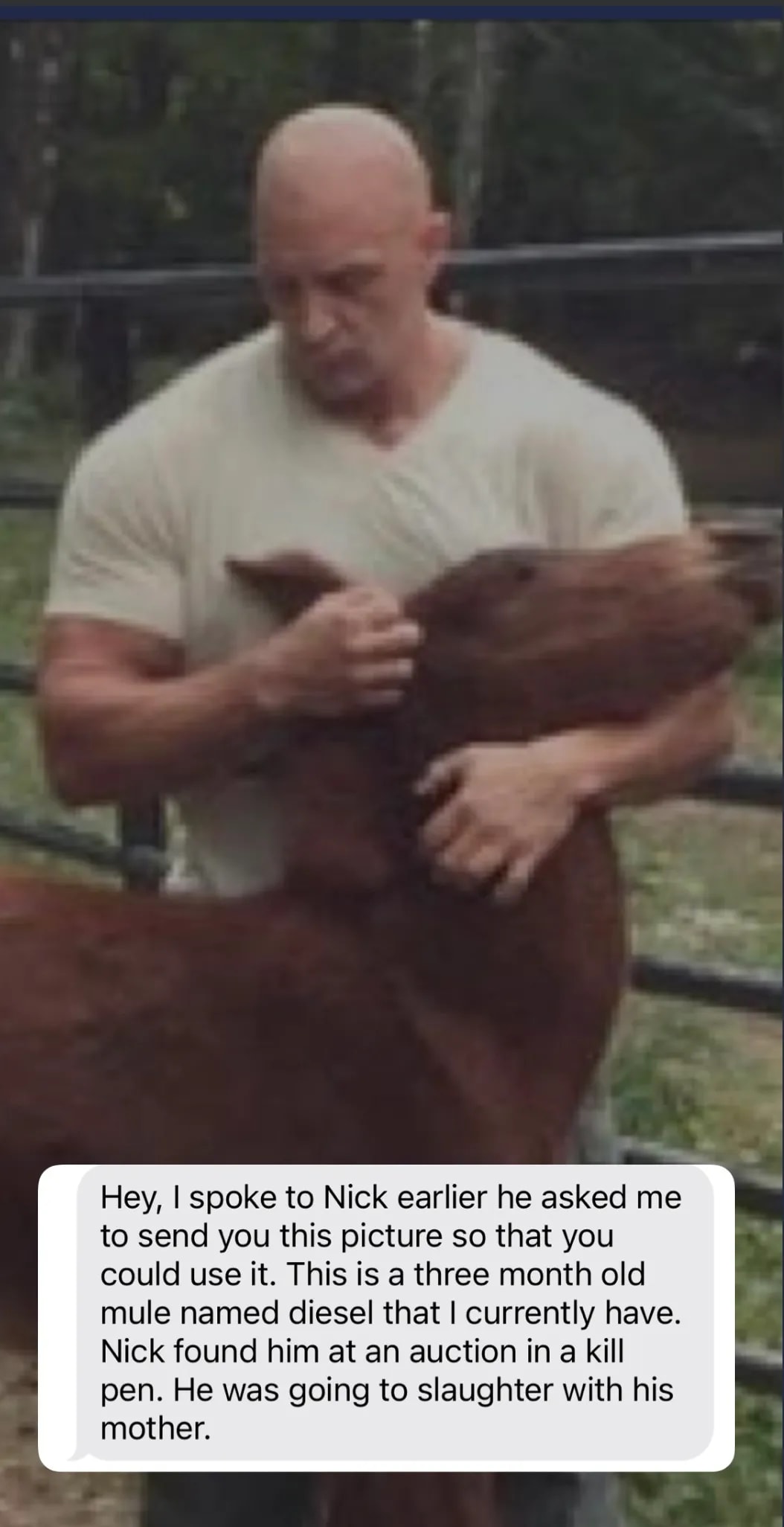

AUDIO 3: MEDICAL LEAVE

Cruz, Tartaglione claims, was working with the cartel and trafficking drugs alongside Martin Luna. According to Nick’s account, Luna had made a dangerous mistake: he stole cartel money, then disappeared with it. His family, gripped by fear, told local police that Luna had previously been kidnapped over stolen drug money and had managed to escape. This time, they warned, he might not survive.
Tartaglione says this is how his name entered the picture — not as an enforcer, but as a former cop Cruz approached for help recovering money he claimed he was owed. Nick says he assumed Cruz meant unpaid wages from another local farm. At trial, however, Cruz testified that he had been tasked with retrieving stolen drug money from Luna by any means necessary. Tartaglione insists he refused any involvement in that kind of work. What he says he did do was refer Cruz to Gerard Benderoth, a former law enforcement officer he had previously recommended for outside security jobs, a history he says is reflected in their text messages.
In his petition, Nick identifies Benderoth and Joseph Biggs as two of the men Cruz allegedly recruited. At trial, Cruz testified that he arranged Martin Luna’s killing with help from Benderoth, Biggs, and a third man, Jason Sullivan, a drug dealer who had moved from New York to Florida. Cruz claimed Luna was targeted over the stolen cartel money and that three of Luna’s relatives — Miguel Luna, Urbano Santiago, and Hector Gutierrez — were with him when the plot unfolded. According to Cruz’s testimony, he also knew Nick had vacated the rental property once used for his animal sanctuary and selected it as the burial site. Cruz said the men were shot, apparently by Benderoth, and that he buried the bodies there afterward.
In later filings, Tartaglione argues Cruz’s story only took its final shape after repeated sessions with investigator William Young. Nick’s petition claims Cruz initially confessed to carrying out the murders himself, then gradually shifted into a cooperation narrative that implicated others. Tartaglione argues that change was not organic but coerced, alleging investigators pressured Cruz by threatening that his children could be placed in foster care and his wife deported if he failed to cooperate.
One of the men Cruz implicated, Gerard Benderoth, never testified. When FBI agents later attempted to arrest him in broad daylight, Benderoth grabbed a gun and shot himself inside his car before he could be taken into custody.
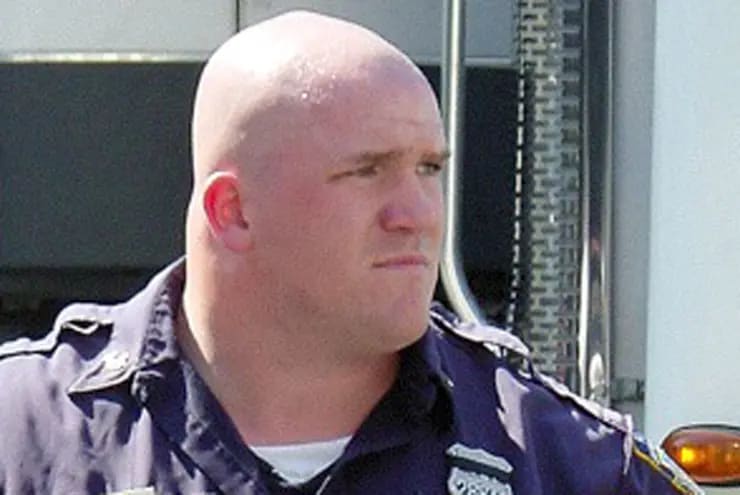

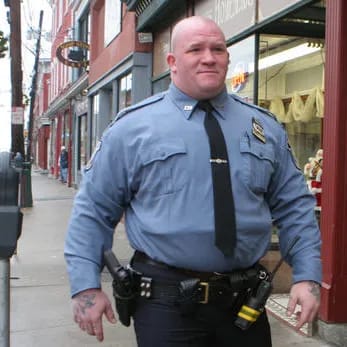
This detail, Tartaglione says, is central to his argument because it involves one of the few elements of the case that cannot be dismissed as courtroom rhetoric. In audio transcripts he returns to it repeatedly: Benderoth was his age, roughly his height, bald, a former cop, someone he knew from gyms and law enforcement circles and had referred for work. In recorded conversations with Jessica Reed Kraus, Nick recounts being told that federal agents had pulled over Benderoth — his physical double — and that he shot himself before agents could approach the vehicle. Nick says his reaction was not shock but recognition. In his telling, one of the men he believes responsible for the killings was now dead, and the case against him would not change course.
The government’s timeline begins on April 11, 2016, at a bar in Chester, New York, called the Likquid Lounge. Prosecutors presented it as the place where the plot unfolded. Video footage shown at trial captures the entrance area of the bar, though Nick’s defense has long argued the footage cuts or freezes precisely when the doors open and the identities of those entering or exiting would be visible. According to prosecutors, Martin Luna was strangled there that night before his relatives were later transported to Tartaglione’s property.
Nick disputes the reliability of the footage entirely. In filings and recorded conversations, he alleges the video contains freezing frames, skipped segments, reversed timestamps, muted audio, and missing minutes — discrepancies he says become visible only when compared against a wall clock in the frame. According to his account, the moments that might show who entered or exited vehicles outside the bar are obscured by these glitches.
The footage also includes the repeated appearance of a white van parked near the bar.
In Nick’s account, that vehicle becomes a lingering anomaly in the case — present in the video but largely ignored in the government’s narrative.

AUDIO 4: VIDEO SKIPS AT 1:57
We Never See Who Exits The Vehicle.

A 911 caller who lived next door to Martin Luna’s residence reported seeing two threatening men at the house: a heavyset Black man and an overweight bald white man arriving in a white van. In his petition, Nick argues that those descriptions align with Joseph Biggs and Gerard Benderoth. He further alleges that Investigator William Young later presented the account differently in grand jury testimony, describing the white man as a “bodybuilder” — a characterization Nick says was intended to resemble him — while also changing the vehicle from a white van to an SUV and omitting the van from the account altogether.
Despite the prosecution’s confident façade, Nick argues the case against him rested on unstable foundations.
No murder weapon was ever recovered.
Searches of Nick’s home and vehicles uncovered no drug money or trafficking paraphernalia.
His DNA was not found on the zip tie prosecutors claimed had been used to strangle Martin Luna.
And, Nick contends, a trained K-9 officer familiar with cadaver detection would never bury bodies on property connected to him — particularly at a location he had already vacated.
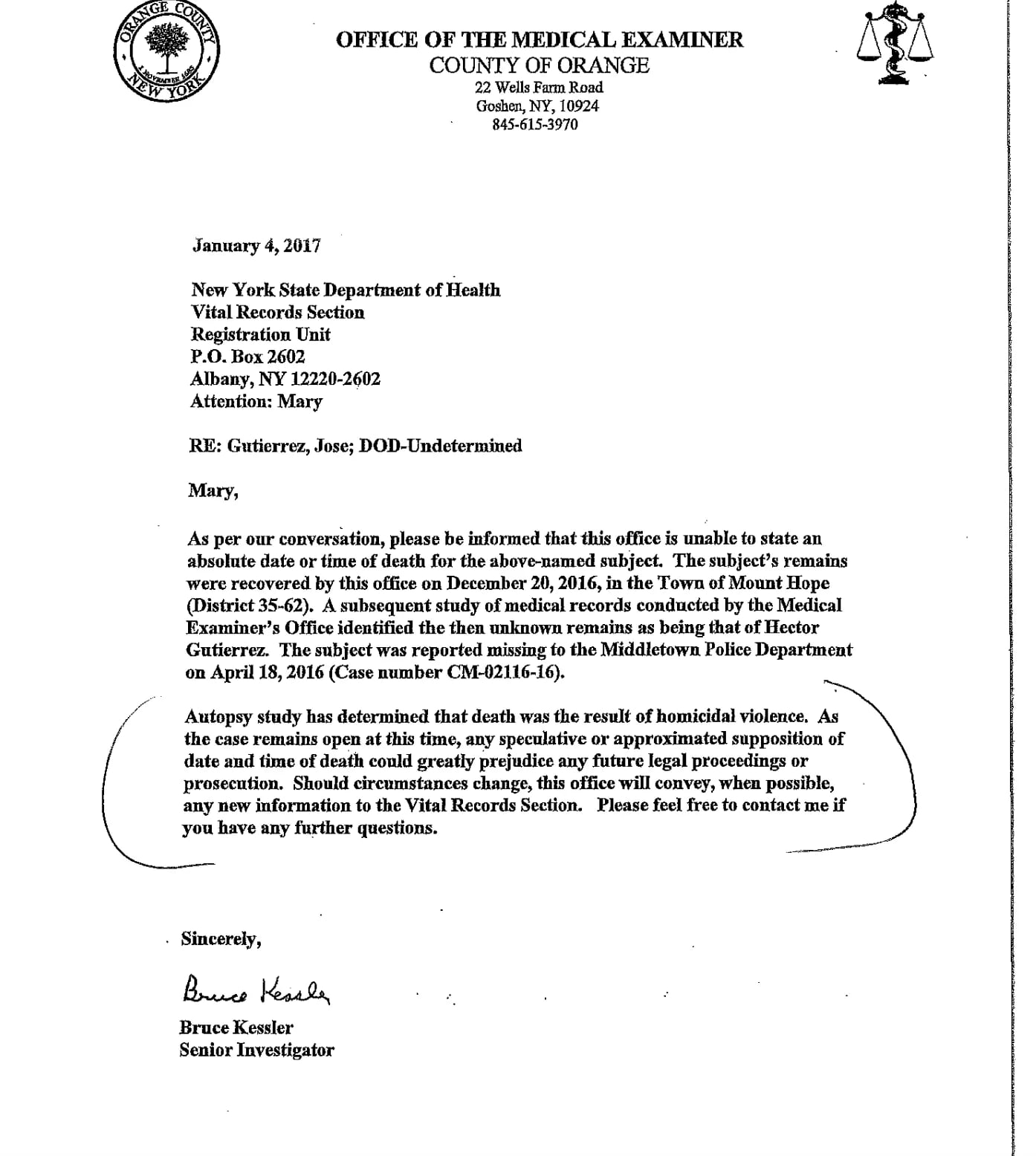
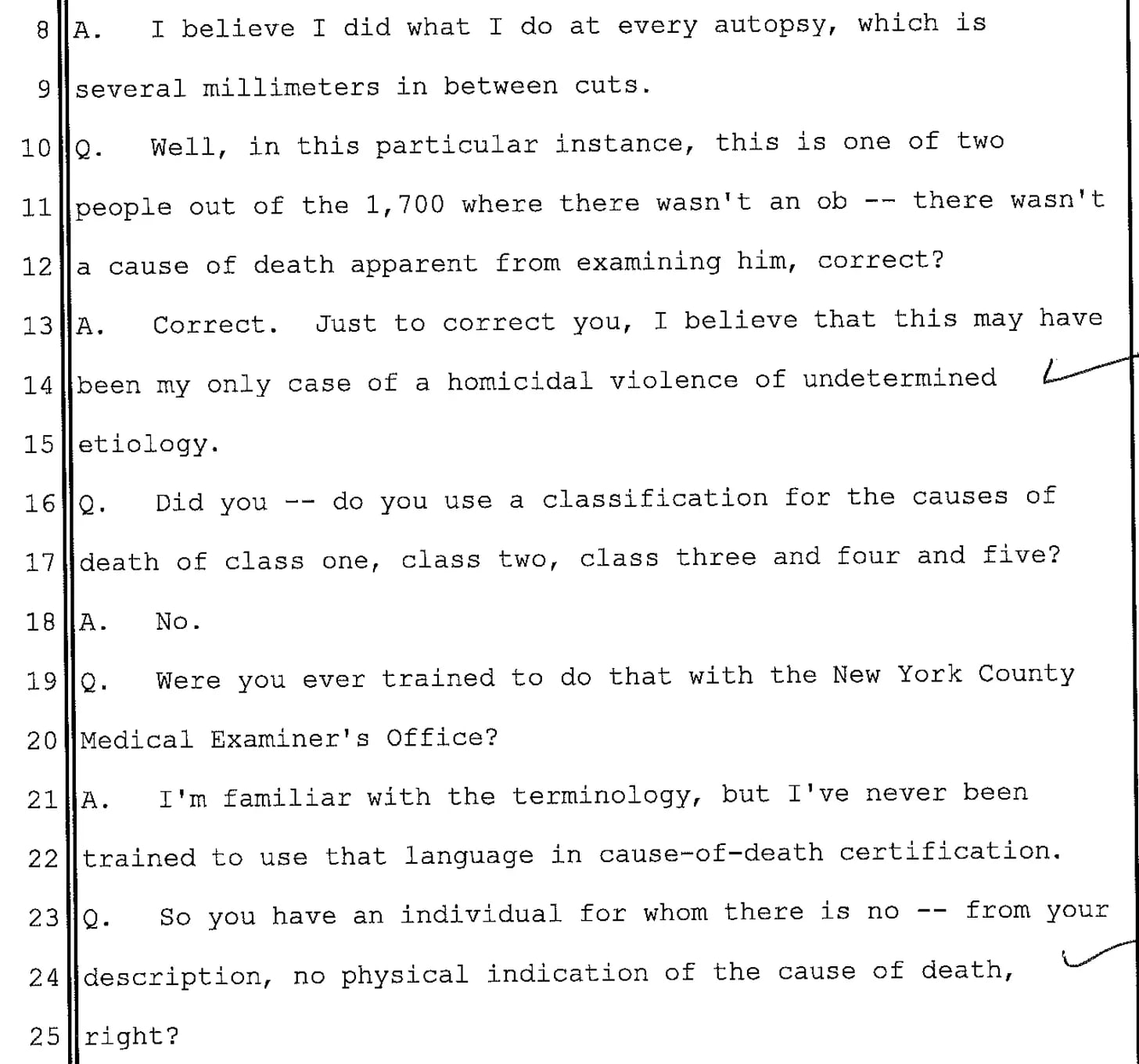
Nick also disputes one of the prosecution’s central claims: that Luna was strangled inside the bar. At trial, Joseph Biggs testified that Tartaglione used a zip tie to strangle Luna and that the men were beaten and tortured. But the medical examiner, Dr. Roman, testified that Luna’s cause of death could not be determined and said strangulation was unlikely. He also confirmed that none of the bodies showed injuries consistent with Biggs’s account — no cuts, abrasions, bruises, or broken bones. Toxicology reports did detect alcohol and drugs in the victims’ systems, but Nick argues the findings do not support the prosecution’s version of a violent beating followed by a zip-tie killing.
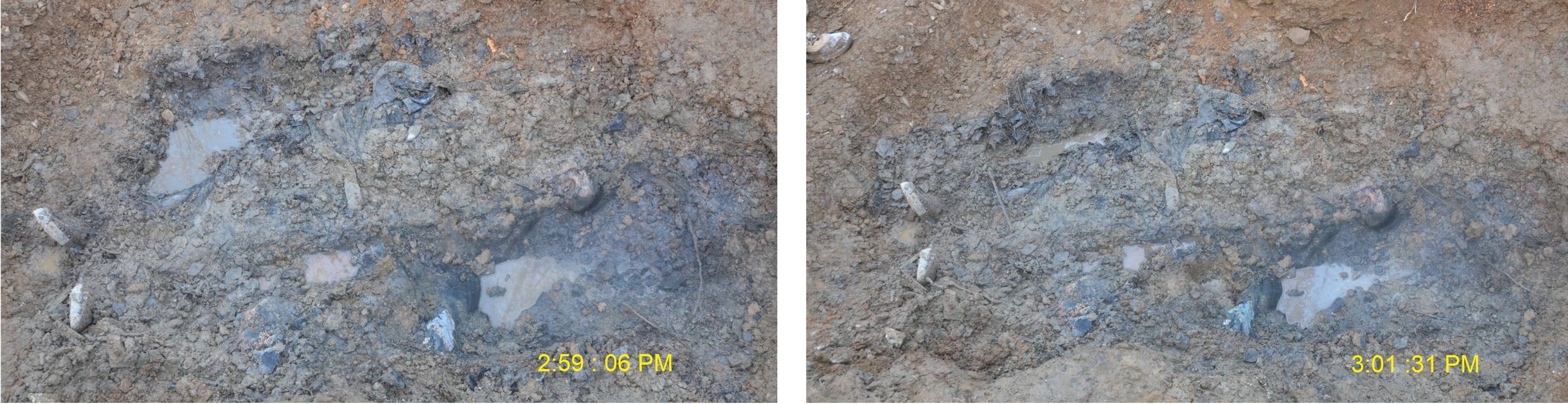
One of Nick’s most pointed claims concerns a zip tie visible in crime scene photographs. According to his petition, the earliest timestamped images show no zip tie. Photographs taken three minutes later show what he describes as a “clean zip tie” resting on top of the bodies.
Nick believes investigators planted it at the scene.

AUDIO 4: PHOTOS IN EVIDENCE
Taken Three Minutes Apart —Show a Zip Tie Mysteriously Appear in the Second Frame.

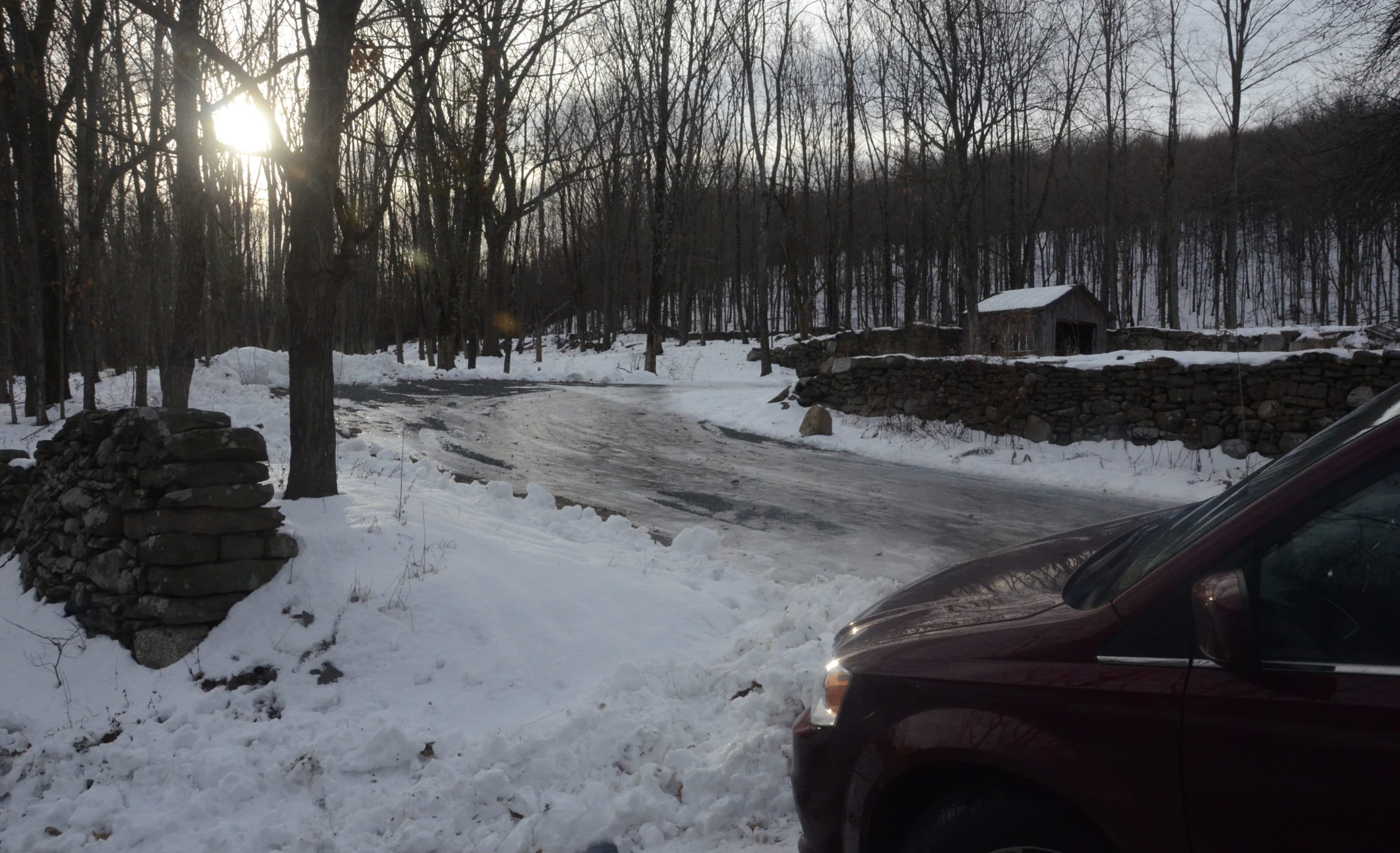

The Issue of DNA
The kind of evidence juries are trained to treat as holy. Nick says Luna’s DNA was “discovered” on a piece of molding or floorboard in a bar bathroom eight months after the disappearances, after the bathroom had allegedly been cleaned with bleach for months. He claims he may know how it truly got there.
Investigator Young was at the burial site, left without signing out, went to the bar without signing in, and was later the person who took custody of the floorboard.
Nick says he learned after trial, through an FBI agent, that the case agent picked up the molding himself. He argues this points to either planting or cross-contamination between the burial site and the bar. He also notes that proper protective gear was not worn at either location.

AUDIO 5: Phone Forensics
Shows Date of Tampering.

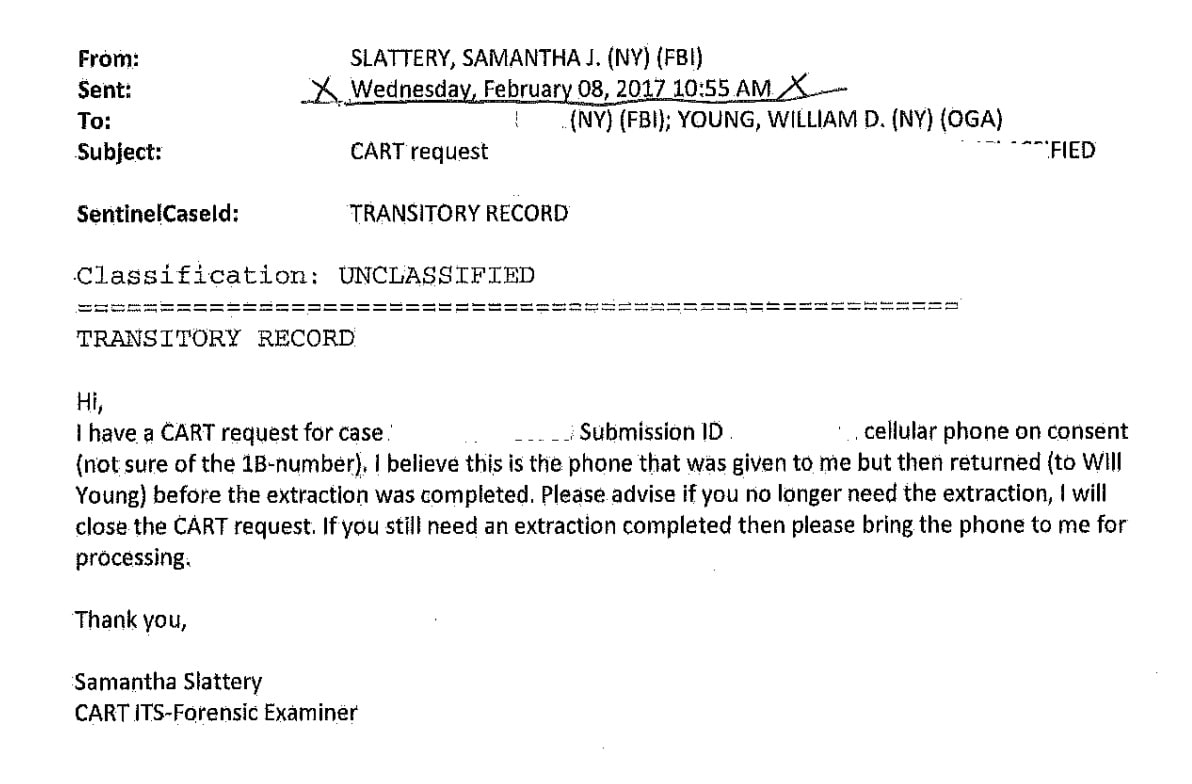
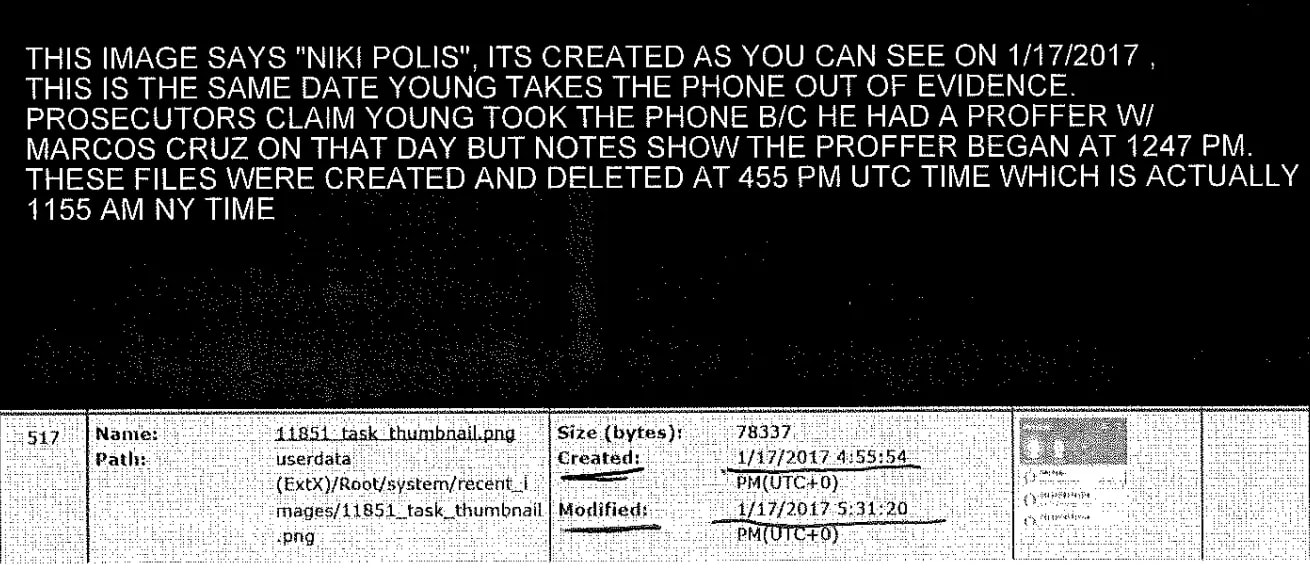
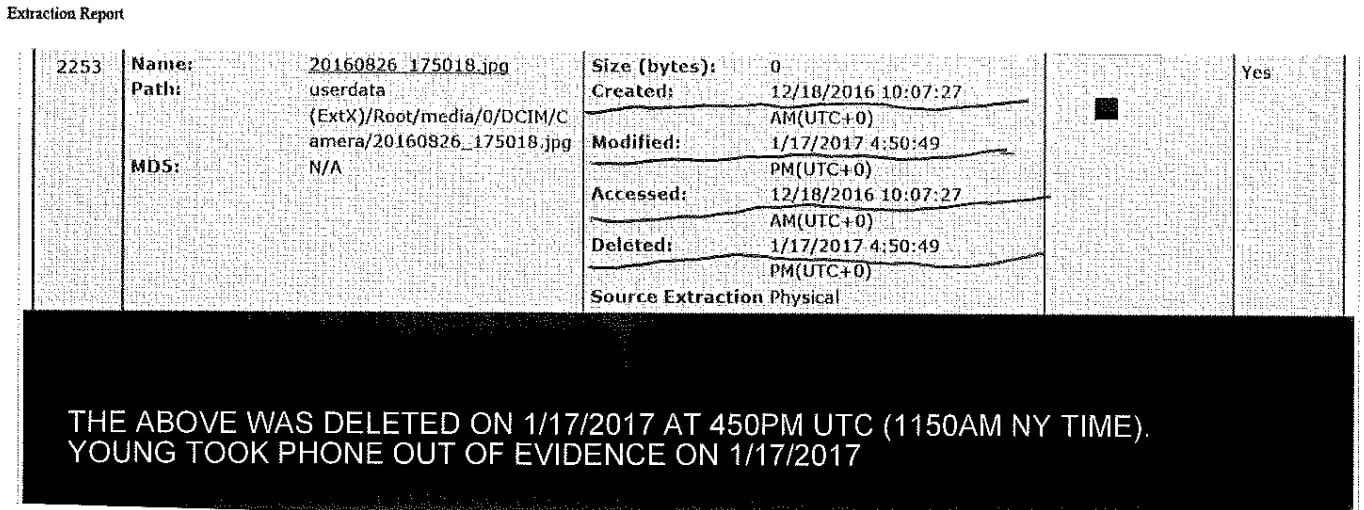
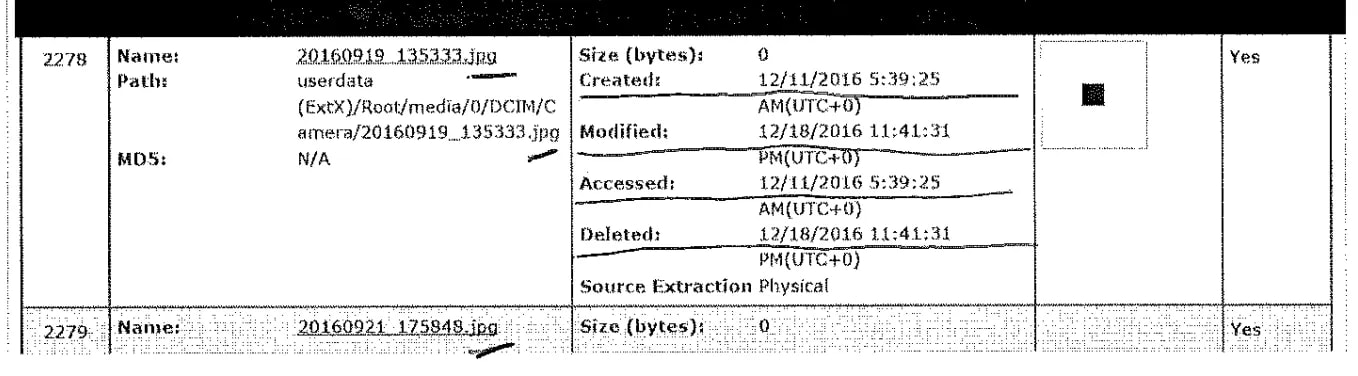
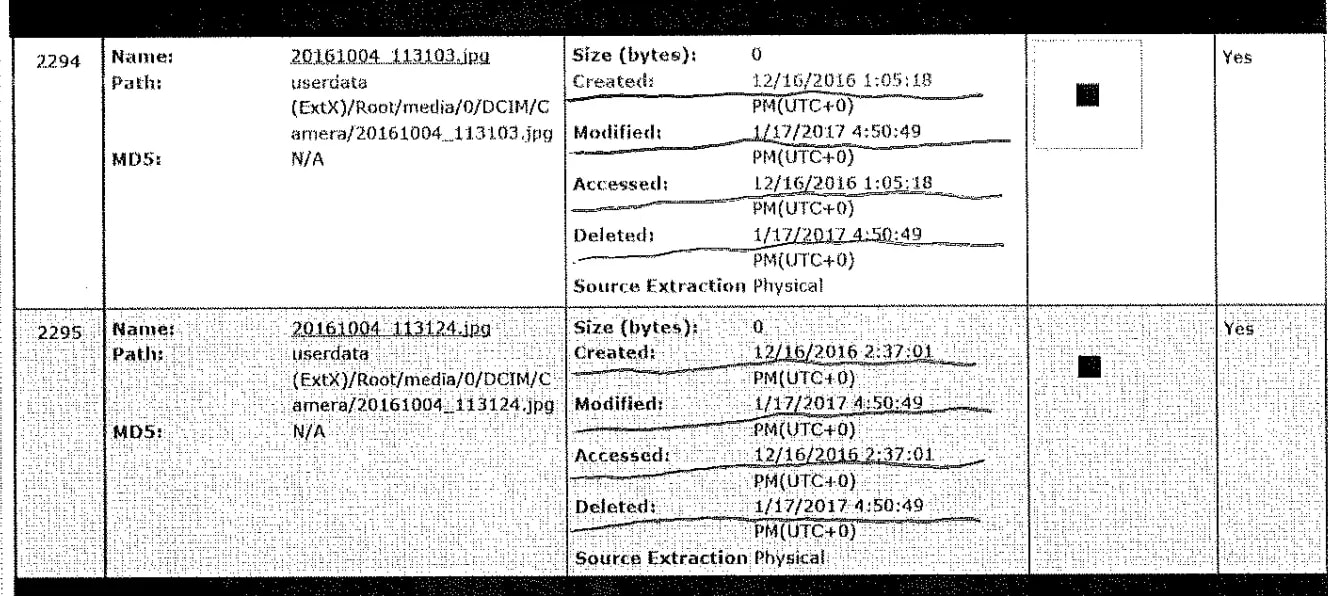
If Tartaglione is right about that, then the murder story is not simply about what happened to four cartel men. It is also about what happened to the evidence inside a system with a target already chosen. The human engine of the prosecution, in his account, is not video or DNA but the three alleged cooperators: Marcos Cruz, Joseph Biggs, and Jason Sullivan. Tartaglione claims they initially denied his involvement and that Cruz repeatedly confessed to Investigator Young that he himself committed the murders. He says Cruz told Young, “I killed them alright,” and told his own brother, Miguel Cruz, that he hired Biggs and Benderoth to do it.
He further alleges that an officer interviewing Miguel Cruz can be heard suggesting there “might be a U-Visa” if Miguel cooperated, and that when Miguel refused to implicate Tartaglione, he was deported.

AUDIO 6: THE AUTOPSY REPORT

Nick claims the revisionism of the key narrative took place over time. His petition repeats a number like a hammer: over ninety meetings. Over ninety sessions with Young and prosecutors, including Maurene Comey, to “get their stories straight.”
“You don’t need ninety meetings to tell the truth, but you might need ninety meetings to align three men’s lies into a single prosecutorial narrative,” Nick stated in email correspondence and audio obtained by Jessica Reed Kraus.
Nick says Cruz’s inducements were enormous. Cruz — a man Nick portrays as a self-confessed murderer — received time served, citizenship, and permission for his family to remain in the United States. Biggs, he says, will be out in under six years. Sullivan has already been released.
There are additional contradictions he points to — the kind that don’t require a forensic lab to understand. Contradictions that may, in fact, provide him with an alibi. Prosecutors told jurors that Nick’s phone records show no usage while he and the alleged killers were supposedly together at the bar killing Luna and kidnapping his relatives to be killed elsewhere. But that is not strictly true. Rather than showing no phone activity, Nick’s records indicate that he called Benderoth’s home phone at 4:00 p.m., during the window prosecutors claim he was with Benderoth inside the bar. The records also show calls to businesses, family members, and friends during the period he was allegedly committing murder.
Nick also claims there is evidence suggesting the victims were alive long after the prosecution’s timeline says they were dead.
He states records show Luna called Florida, California, and Puerto Rico after the time that prosecutors claim he was supposedly killed. He cites shocking police notes: a former state trooper reporting seeing the four victims eating breakfast eleven days after they were supposed to have been killed, and a diner waitress who confirmed that she served them.
Law enforcement and Nick’s own trial attorneys curiously never followed up on those leads.
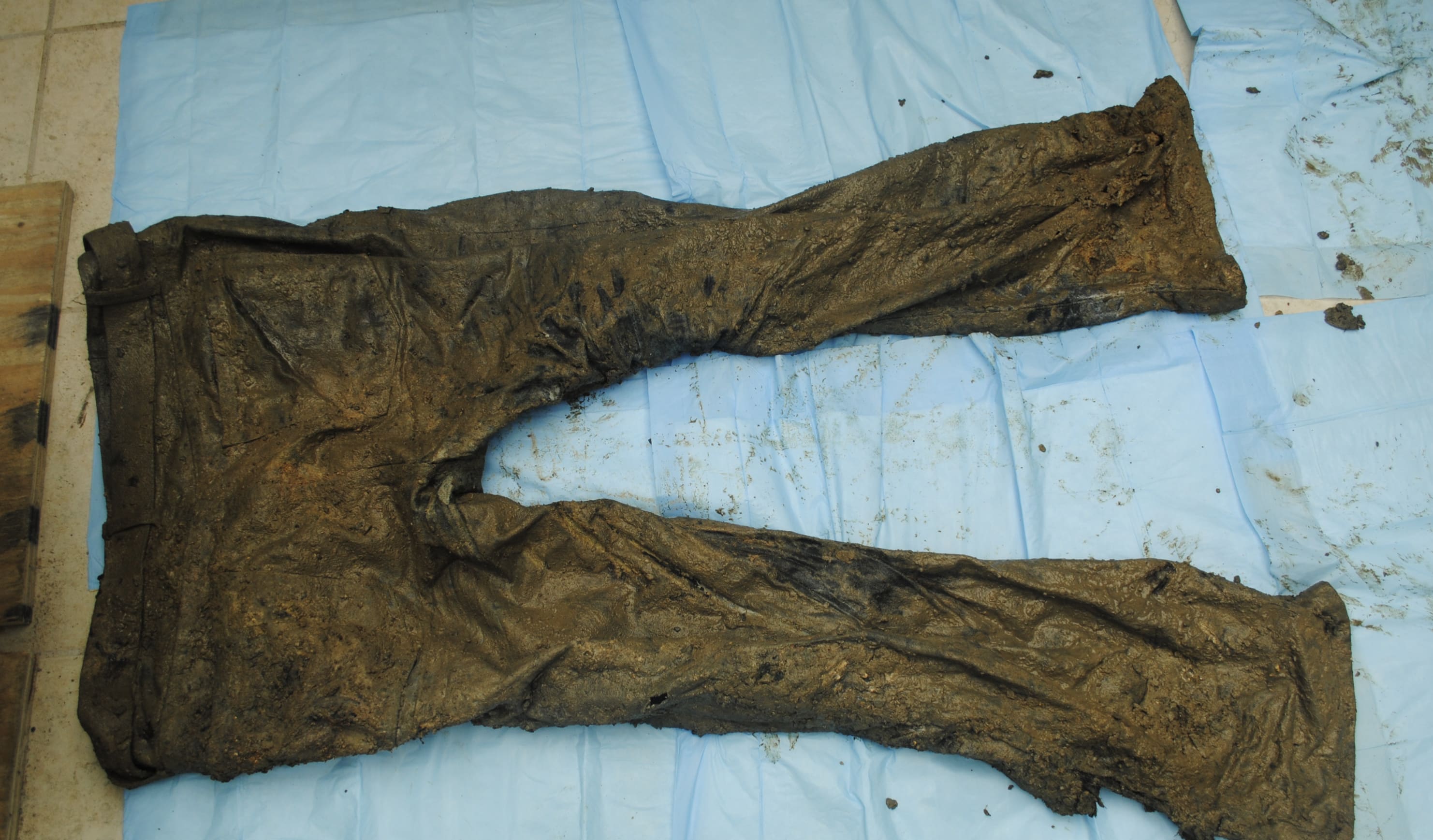
Nick’s petition goes further, toward details that sound small until you try to dismiss them. Family members of Michael Luna said that Luna had been wearing white pants on the day in question, a claim echoed by Young. Yet Luna’s body was found wearing blue jeans. Prosecutors, and even the judge, suggested that dye may have leached from other clothing and turned the white pants blue - a physical impossibility, particularly because Luna’s body was discovered on top of the others, not beneath it.

AUDIO 7: WHITE PANTS TURN BLUE
A photo of the pants is included because, on the day Martin supposedly died (by zip-tie strangulation), his family identified him on a video wearing white pants. Yet, when they pulled him out of the grave as Body #1, he was wearing blue jeans. Nick’s defense believes this proves he was not murdered on the date listed.

Furthermore, Biggs’s shifting account is a central example of why guilt ‘beyond any reasonable doubt’ should perhaps never have been applied to the allegations aimed at Nick. When Biggs was first arrested, he told his lawyer that Gerard Benderoth shot all three men. This is allegedly evidenced in an email from Comey herself, where she wrote that Biggs stated Benderoth shot all three victims. At trial, however, Biggs testified to a different version: that he shot one man, Tartaglione shot one man, and Benderoth shot one man. Nick argues this version is not only inconsistent with Biggs’s earlier statement but physically implausible. All three victims were allegedly shot with the same pistol, with consistent bullet trajectories.
Nick also alleges that his team later learned, based on post trial discovery, that prosecutors engaged in their own form of editing, not only in video but in transcripts.
Sullivan’s interview transcript provided to the judge was missing thirty-three minutes. That missing segment, Nick claims, reveals investigators feeding Sullivan information and that Sullivan and his wife were interviewed together, contradicting what Comey later told the court. He also claims thatprosecutors gave a non-prosecution agreement to Sullivan’s wife, that was never disclosed to the jury, as an incentive to make false statements against Nick.
Evidence was also allegedly withheld and destroyed, including a “lot front camera” video referenced in police notes and by an officer speaking to families, later claimed not to even exist.

AUDIO 8: NICKS’ RECEIPTS

In a recorded conversation with Jessica Kraus, Nick described a moment that reveals, at least emotionally, why he believes the system will not reverse itself even when confronted with its own contradictions. He said that, after learning about Benderoth’s suicide, he told his lawyer, in effect, “I’m out.” Not because he thought the government would do the right thing, but because he thought the facts were too obvious to ignore, that one of the true killers had died, and that there was simply no evidence to keep himself behind bars. But then he said the lawyer replied, “No, they won’t admit it”.
Tartaglione realized at that moment a stark reality: once the machine is in motion, its job becomes not to find the truth but to protect the story already told.

AUDIO 9: WHO IS BRUCE BARKET?

Nick was arrested on December 19, 2016.
In his telling, the arrest did not follow a completed investigation pointing cleanly toward him, but instead preceded one that was still groping for a coherent theory. He argues that law enforcement did not arrive at him because evidence led them there, but because once his name entered the frame, it became easier to bend the evidence than to abandon the narrative and pursue members of the cartel.
By the summer of 2019, according to Nick, his case was compromised by a federal prosecution framing him as a violent former police officer turned criminal mastermind. But it was his transfer to the Metropolitan Correctional Center in Manhattan that, he says, irreversibly altered both the public narrative around him and the internal dynamics of his case.
He was placed in the Special Housing Unit. It was there that he was assigned to share a cell with the prison’s most notorious inmate:
JEFFREY EPSTEIN.
At the time, Nick says he had only a vague idea of who Epstein was. Access to newspapers and television in segregation was limited, delayed, or nonexistent.
What he knew initially came largely from Epstein himself. They were housed together on J-tier, 9 South.
Early one morning, around 5:30 a.m., guards banged on the cell door and told Epstein to get dressed for court. Nick says he immediately understood what was actually happening. In his experience as a former police officer and long-term pretrial detainee, guards often told inmates they had “court” when, in fact, they were being taken to meet prosecutors for a proffer session, so other inmates would not overhear that someone was cooperating.
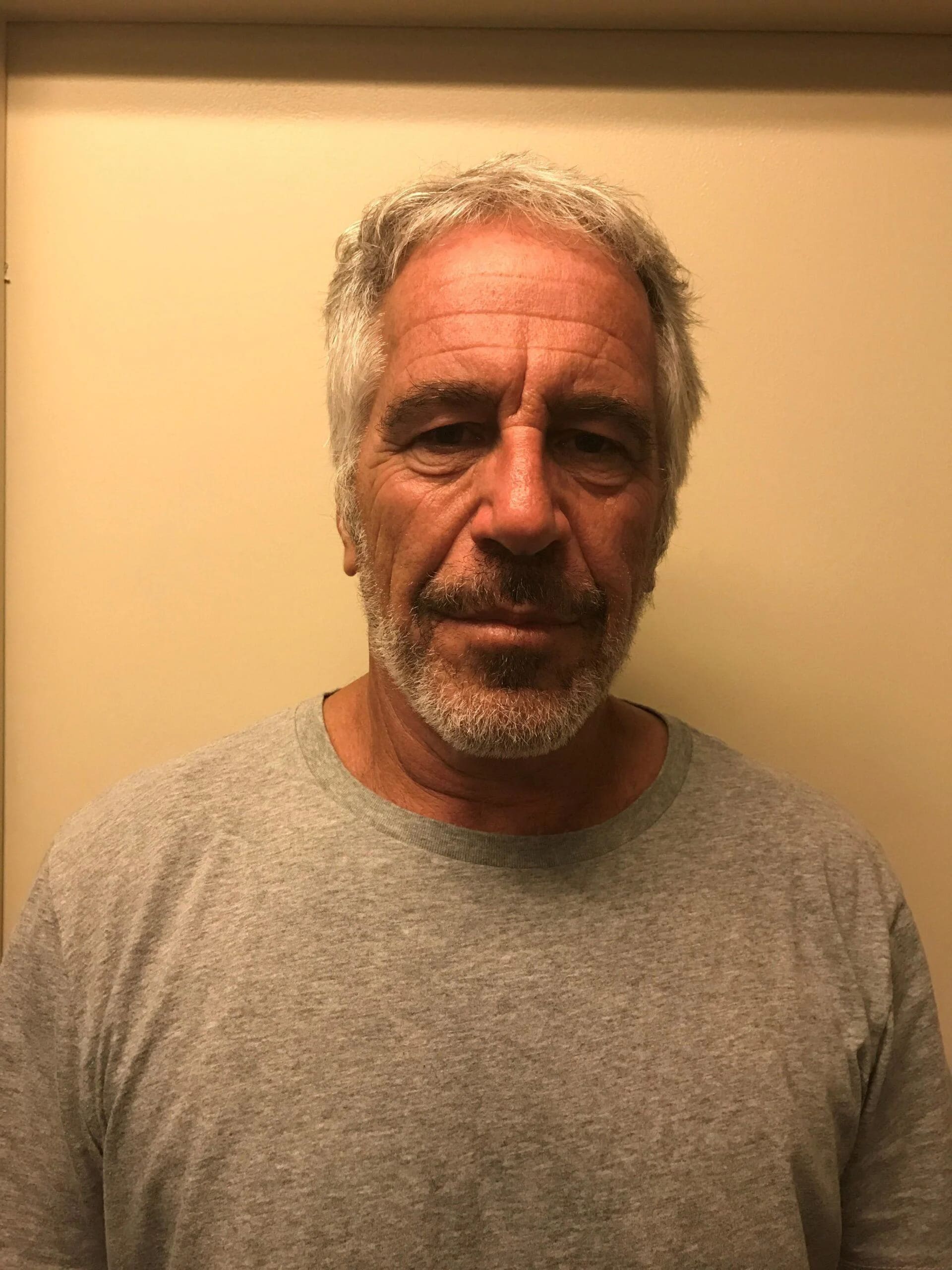
Nick says he explained this to Epstein before Epstein left the cell, and that Epstein was gone most of the day. When he returned late that evening, Nick describes him as visibly shaken, anxious, and withdrawn.
After some time, Epstein initiated a conversation. He asked Nick, explicitly referencing his law enforcement background, for his opinion on cooperating with prosecutors.
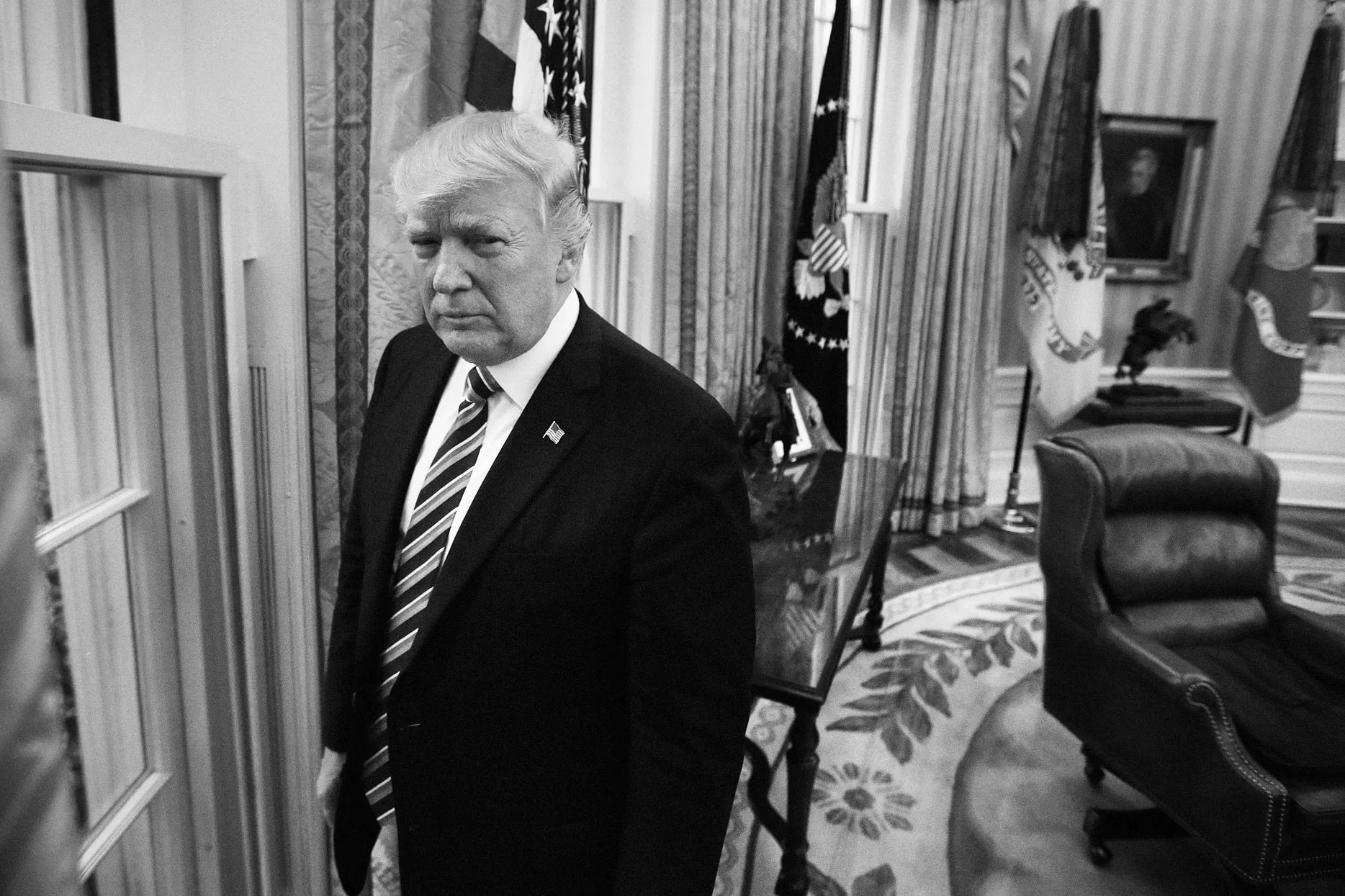
Nick told him what he considered the reality of cooperation: prosecutors do not release a valuable defendant unless that person can deliver someone more important to prosecute. Epstein, he says, then explained why he was asking. He told Nick that prosecutors had offered him the possibility of pleading to lesser charges and serving only a few years in a minimum-security camp, rather than dying in prison, if he could provide information that could be used to impeach Donald Trump.
Epstein was explicit about the pressure being applied. He told Nick that prosecutors had made clear the sooner he agreed to cooperate, the sooner he would be moved out of MCC. If he chose to go to trial, he would remain where he was. Epstein also allegedly told him that prosecutors said he did not need to prove the allegations against Trump — only to supply information or allegations that Trump’s people would be unable to disprove.
Nick challenged that logic. He reminded Epstein that, at the time, the FBI answered to the Trump administration. Epstein responded, according to Tartaglione, that prosecutors told him the FBI were “their people,” not Trump’s. Epstein also said prosecutors suggested his former girlfriend might corroborate his claims.

AUDIO 10: What Epstein Told Nick About Trump, Maxwell, The FBI

At that point, Nick says he reacted angrily and confronted Epstein directly — telling him he had already been incarcerated for years and was facing life sentences because of cooperators lying to protect themselves. He told Epstein that fabricated cooperation destroys innocent lives. Nick says this confrontation escalated into a serious problem almost immediately.
Shortly afterward, he learned that Epstein had accused him of assault.
Epstein had been found unresponsive in his cell, apparently strangled but still breathing. When he came around, he uttered five words: “Nick tried to kill me.”

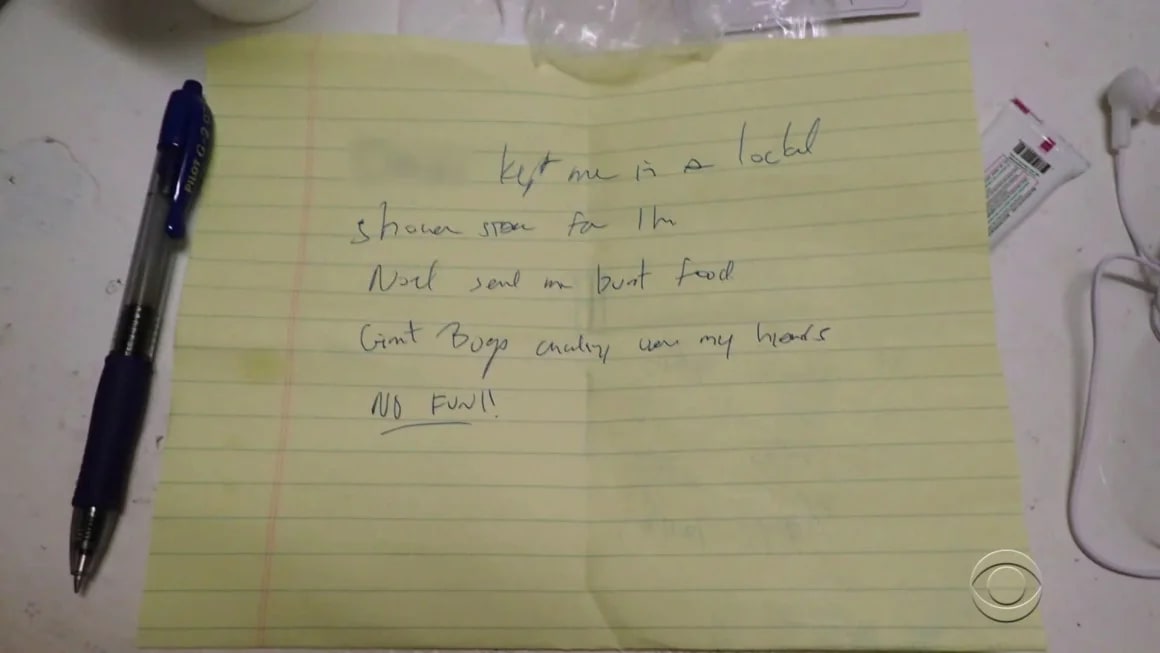
AUDIO 11: EPSTEIN’S SUICIDE NOTE
“(Redacted) kept me in a locked shower stall for 1 hr. Noel sent me burnt food. Giant bugs crawling over my hands. No fun!!” the note reads.”

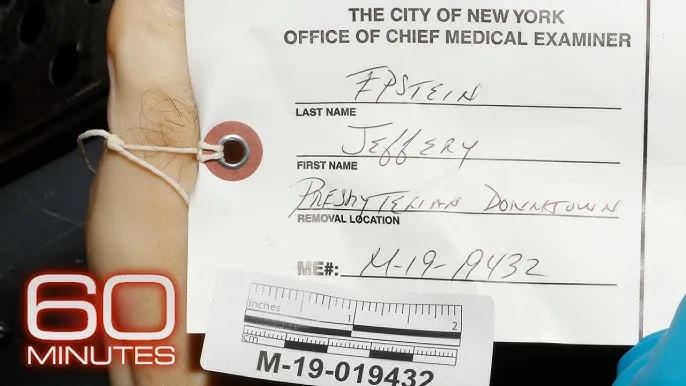
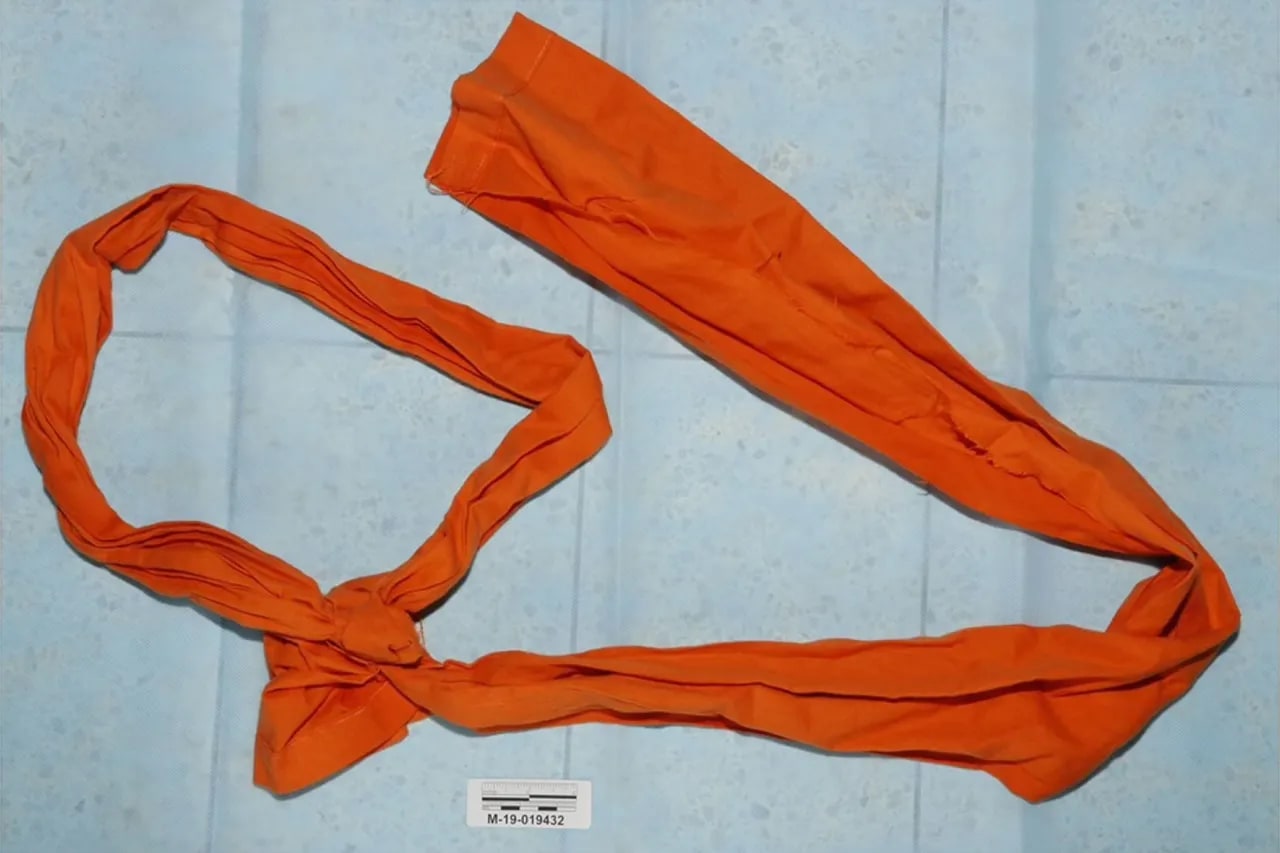
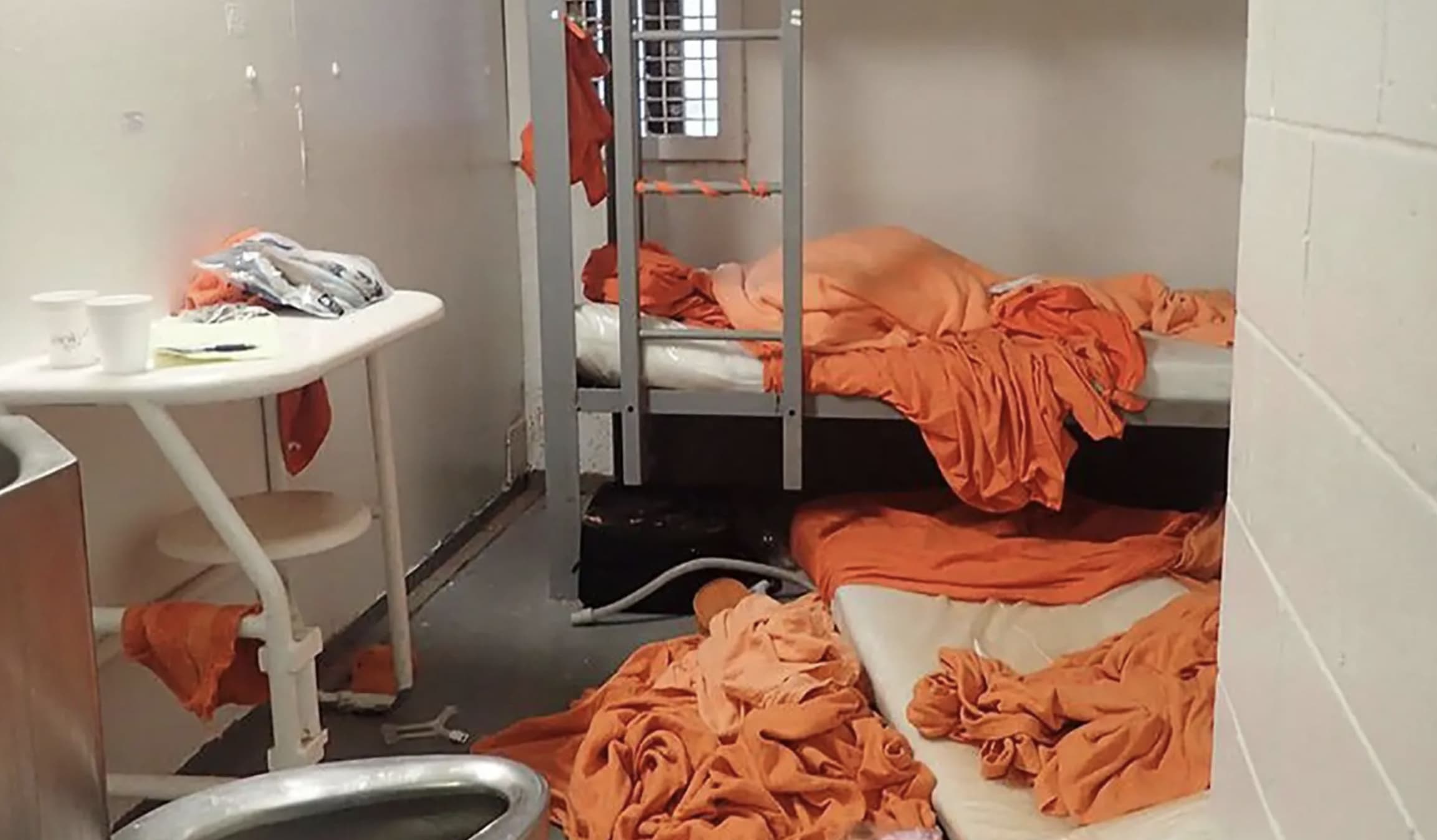
Media reports quickly followed, describing Tartaglione as a “killer cop” who attacked Epstein. But Nick insists this never happened. He says Epstein made the allegation to ensure placement on suicide watch, which would remove him from the cell and potentially shield him from further pressure or danger.
Nick recounts that Epstein later retracted the allegation, claiming he had merely passed out. He says Epstein apologized to him directly, including an exchange in which Epstein acknowledged that Nick had seen a suicide note Epstein had hidden inside one of Nick’s books. Nick describes the note as brief and bleak, referencing that the “feds looked everywhere, found nothing,” and ending with, “time to say goodbye.”
Nick states that on the night in question, Epstein appeared to be sleeping, snoring loudly. Nick put in headphones and went to sleep. At some point, he felt something hit his leg. When his eyes adjusted to the dark, he saw Epstein hanging, his eyes partly open. Using a small razor blade inmates were allowed for grooming, Nick says he cut Epstein down and began chest compressions while calling for guards. He says Epstein regained breathing before officers arrived.
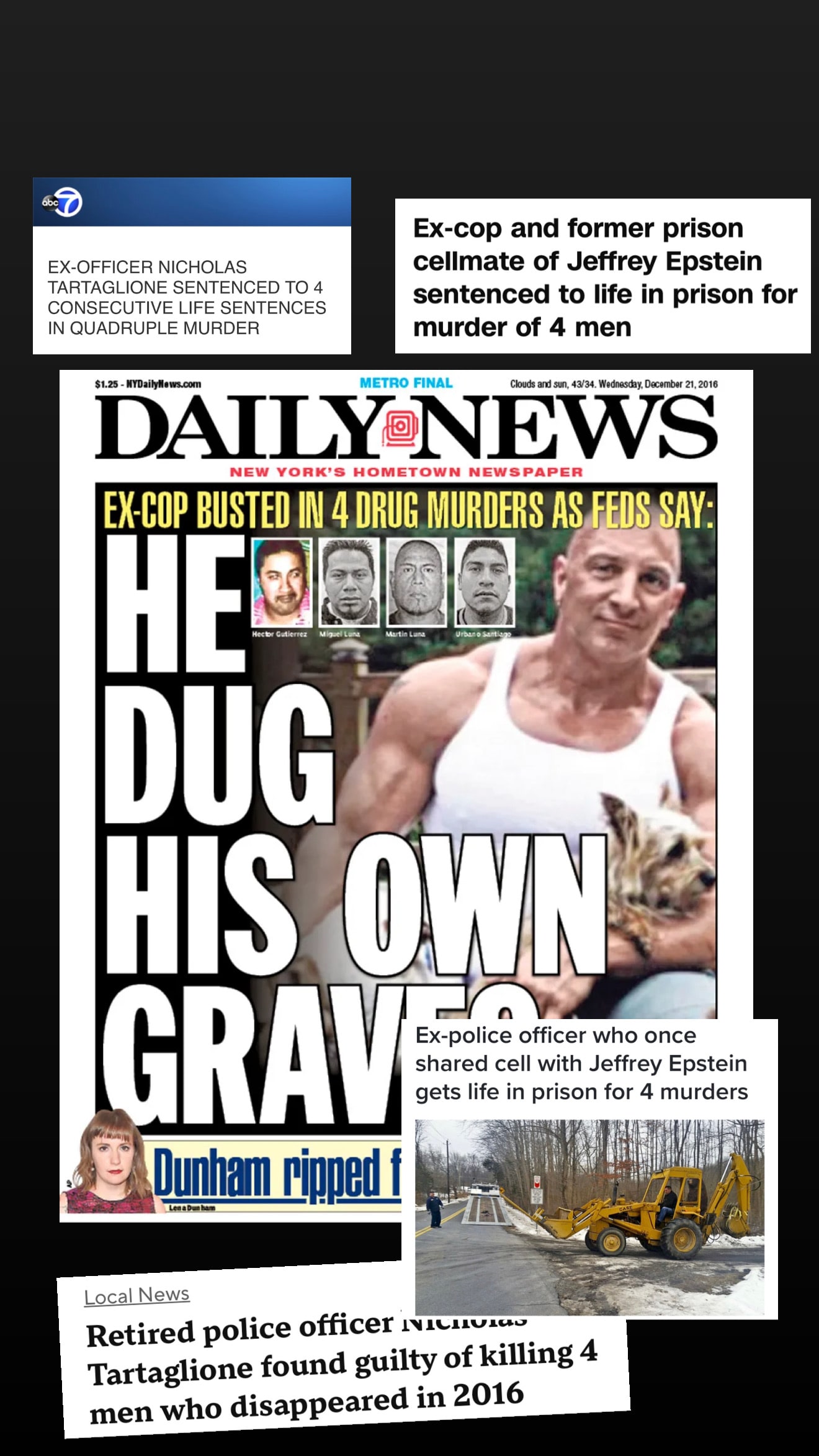
Nick says that this episode permanently recast him in the public imagination. Regardless of the evidence in his own case, he became linked in headlines to Epstein, framed as violent, unstable, and dangerous. The image that circulated secured the visual needed — Nick as a hulking figure in a white tank top glaring into the camera. He believes this association bled into judicial attitudes as well, reinforcing a narrative that he says prosecutors had already constructed.
He also describes conversations with Epstein that extended beyond Trump. Epstein, he says, talked about Ghislaine Maxwell, referring to her dismissively as a “cold fish,” and expressing fear that prosecutors would go after her if he did not “pack it in.” Epstein allegedly insisted that some high-profile accusations were false, including claims involving Alan Dershowitz, telling Nick that Dershowitz had never been near certain accusers.
Looking back, Nick now views the cell placement itself as deeply suspect. He questions why a man charged with quadruple homicide would be placed in a cell with one of the most high-profile detainees in the country, unless officials were confident he would not harm him. He also questions why, after Epstein’s death, no serious scrutiny was applied to the decision to house them together.
After Epstein’s death, Nick was transferred to the Metropolitan Detention Center in Brooklyn due to deteriorating prison conditions. While there, he was on the phone with a friend; when the call ended and he began walking back to his cell, other inmates attacked him with a plumber’s wrench because he was a former police officer. The assault left him with a serious head injury that required a metal plate.
He now believes the Epstein episode had another consequence: it distracted from, and even insulated, the prosecution in his own case. Media focus shifted almost entirely to Epstein’s death. His own claims of prosecutorial misconduct, evidence tampering, and coerced testimony received little attention by comparison. His name became shorthand for menace rather than that of a defendant asserting innocence.
By the time his trial resumed, Nick says the damage was already irreversible. Jurors, judges, and the public had absorbed a simplified story. He was no longer just a former officer accused of murder; he was “the killer cop who attacked Epstein.” He argues that this framing made it easier for contradictions in the government’s case to be overlooked and harder for his defense to be heard on its own merits.
When his case finally went to trial in the Southern District of New York, nearly seven years after his arrest, the prosecution presented what appeared, on the surface, to be a tightly woven narrative. Beneath that surface, he argues, the case was defined by contradictions, shifting theories, missing evidence, and testimony that changed repeatedly to fit whatever version of events prosecutors needed at a given moment.
By the time post-trial motions were filed, Tartaglione argues the case against him depended almost entirely on cooperators who admitted their own involvement, whose stories changed repeatedly, and who received extraordinary benefits in exchange for implicating him. Physical evidence was either absent, inconsistent, or tainted, while exculpatory material was ignored, minimized, or never shown to the jury. As his post-trial filings expanded, his claims moved beyond individual evidentiary failures into a broader allegation: that his prosecution was shaped by institutional protection, prosecutorial misconduct, and a culture within the Southern District of New York that rewarded convictions over truth.
Central to this claim is the role of Maurene Comey, the lead prosecutor in his case, who also served as a prosecutor in the Jeffrey Epstein investigation.
Comey’s influence, he argues, extended far beyond the presentation of evidence at trial. From the earliest stages of the case, Nick says, the prosecution relied on perjury before the grand jury. Investigator William Young’s testimony included demonstrably false descriptions of witnesses, vehicles, and weapons. The 911 caller’s description of two men who came looking for Martin Luna as “a heavyset Black man” and “a heavyset white man driving a white van” was altered. Young recharacterized the white man as a “bodybuilder.” Nick maintains this was done deliberately to shift suspicion away from Gerard Benderoth and toward himself.
Comey presented this testimony without correction.

AUDIO 12: NICK ON WILLIAM YOUNG
Nick alleges DNA tampering.

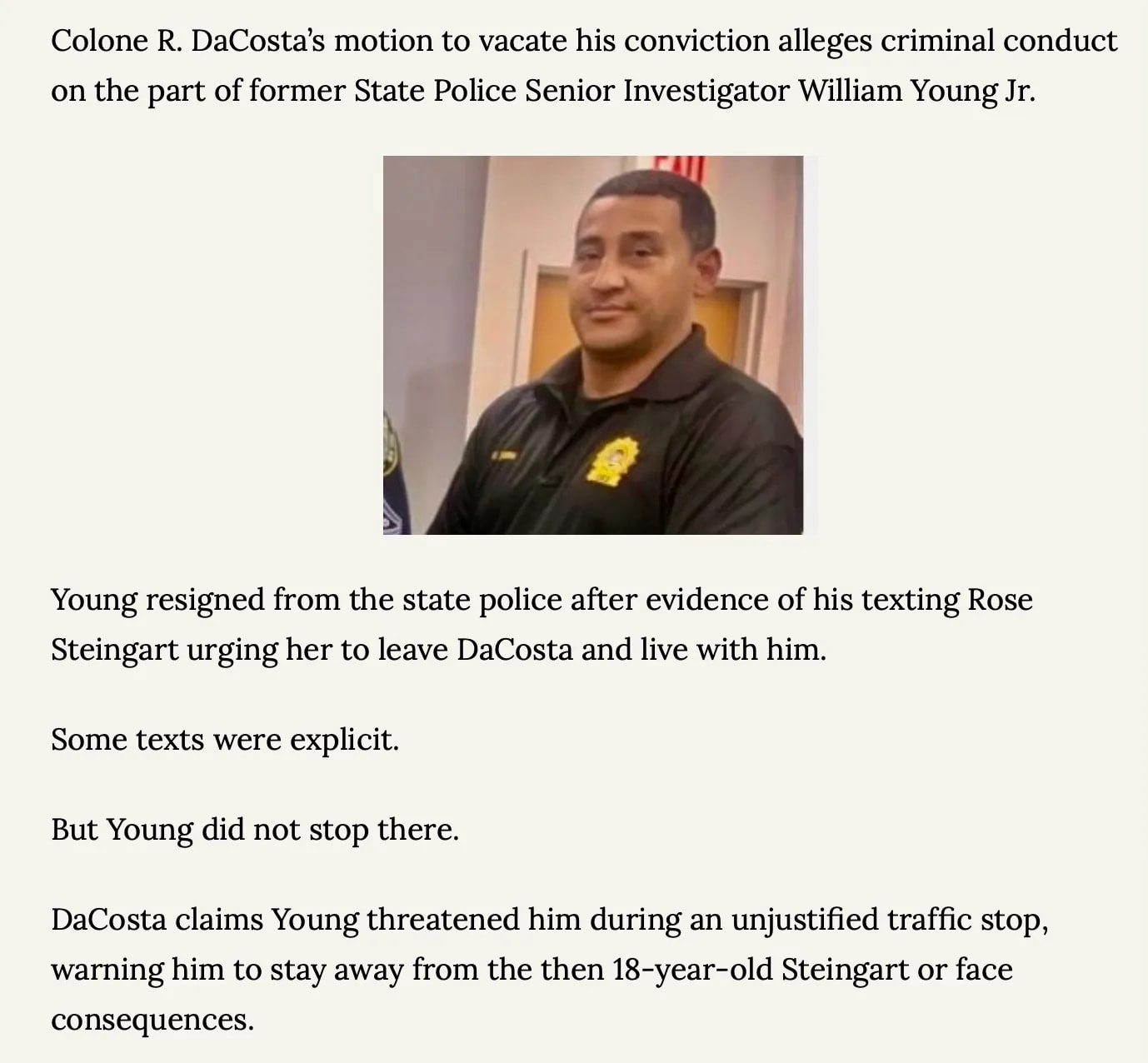
Read recent accusations on Young here.
Judge Kenneth Karas accepted prosecutorial representations even when contradicted by records. Nick points to instances where demonstrably false statements were allowed to stand, including claims about phone silence, timelines, and cooperator conduct. He notes that Comey’s visible presence in the cour troom, standing behind the prosecution, underscored what he perceived as an imbalance of power no defense attorney could realistically counter.
Following sentencing, the pattern continued. Despite a judicial order that he be housed near his family and afforded protection as a former law enforcement officer, he was sent to Atwater Federal Penitentiary in California, one of the most violent facilities in the federal system. There, he was placed in general population. Staff and inmates were informed of his background.
His cell door was left open. He was attacked, strangled, stabbed, and left bleeding until he collapsed in the hallway. He required a blood transfusion and sustained permanent injuries, including partial vision loss.
Nick argues this was not negligence but indifference — bordering on intent. He notes that Epstein, too, was not protected despite obvious risks. In his view, both men were placed in environments where serious harm was foreseeable, and where the consequences of that harm would conveniently eliminate complications for the government.
Jessica Reed Kraus has played a singular role in bringing these details back into public view. Through repeated interviews with Nick from inside prison, she has documented his claims, examined trial records, reviewed exhibits, and highlighted inconsistencies that were ignored or minimized in mainstream coverage. Tartaglione argues that without this scrutiny, his case would remain frozen in its trial posture, never re-examined despite the volume of exculpatory material.
In his petition, Tartaglione does not ask to be viewed as sympathetic. He asks to be examined carefully. He emphasizes that he has already served nearly a decade in prison — longer than several admitted participants in the crimes. Cruz, who confessed repeatedly, is free. Sullivan is free. Biggs will be released in a few years.
While Nick remains in federal prison serving consecutive life sentences.
He frames his request for clemency as a question not just of individual injustice, but of institutional failure.
A case built on coerced testimony, manipulated evidence, shifting theories, and suppressed contradictions, he argues, is not a victory for justice. It is a warning that America’s justice system is not merely on the brink of failure.
In his view, it has already failed.

Inga Parsons (Nick’s Attorney) Note to Fact Checker at The New Yorker
Nicholas was at one point Jeffrey Epstein’s cellmate in the Metropolitan Correctional Center. That is correct. Both Epstein and Nick had the same federal prosecutor — the recently fired former AUSA Maurene Comey, who was also P. Diddy’s prosecutor.
Nicholas is a former police officer. He retired from the force on disability and, prior to his arrest, ran an animal rescue sanctuary where he cared for thousands of abused, abandoned, neglected, and injured animals.
Nicholas was convicted of kidnapping and killing four men. Nick is innocent of these charges and was convicted on corrupt and perjured testimony. The cooperators initially denied Nick’s involvement and admitted their own, but after more than 90 meetings with Comey and/or an extremely corrupt lead police investigator, William Young — who threatened and coerced the cooperators — they ultimately pointed the finger at Nick. The lead investigator was so compromised that the prosecution did not even call him as a witness at trial (an almost unheard-of omission in federal practice). We later learned that Young himself was under investigation for criminal charges including witness tampering, falsification of evidence, and texting with a 12-year-old minor. Young tampered with evidence in Nick’s case, including seizing cooperators’ phones and making deletions and additions — one such addition was the name “Niki Polis” inserted into a cooperator’s phone.
Attached is Nick’s Petition for Pardon/Commutation, which summarizes the corruption and perjury by the prosecution and lead investigator. The exhibits to the Petition are available via Dropbox or another large-file transfer service. Please advise how you would like us to send them.
Nicholas was also convicted of dealing drugs. The individuals found dead on the animal rescue sanctuary property vacated by Nick were members of the Mexican drug cartel. The main cooperator — who worked for Nick at the sanctuary and was himself connected to the cartel — repeatedly denied Nick’s involvement, told Young he was the one who killed the four men, and admitted the same to his own brother. Nick had no connection to the cartel, yet he was still convicted on the same corrupt evidence.
Jessica and Nicholas have spoken on the phone, including a call in late spring of this year. That is correct.
Nicholas is seeking a presidential pardon (Clare correctly noted that his conversation with Jessica concerned his efforts to obtain one). Nick discussed both his pardon request and the corruption and perjury in his case.
I did not represent Nick at trial, but along with Susan Wolfe, I represented him on post-trial motions and his appeal. Nick is an innocent man. I am a former Assistant Federal Defender in the SDNY and have been practicing federal criminal defense for 35 years. I do not make this claim lightly. I have never before seen such corruption and fabricated evidence in a case. As the Pardon/Commutation Petition makes clear, Nick is serving consecutive life sentences for crimes he did not commit. What has happened to him is a complete travesty of justice.
Furthermore, despite a judicial order that he be protected as a former law enforcement officer and a recommendation that he be housed near his 83-year-old mother in New York, Nick was sent to a federal penitentiary in California. There, staff and inmates were told he had been law enforcement. His cell door was left open, and he was attacked by a group of men who beat, strangled, and stabbed him. He was hospitalized and required a blood transfusion. This was in addition to the brutal attack he suffered at the MCC. Nick now lives with a plate in his head, multiple scars from dozens of stitches and staples, and loss of vision. Without an immediate pardon, Nick will not survive prison.”
Further links to visit to get more information/context for the case and its surrounding cast of characters:
What's Your Reaction?
 Like
0
Like
0
 Dislike
0
Dislike
0
 Love
0
Love
0
 Funny
0
Funny
0
 Angry
0
Angry
0
 Sad
0
Sad
0
 Wow
0
Wow
0